
Comprehensive Guide to Blood Cell Counts: Understanding Your Blood Health
This extensive guide explores blood cell counts, including their formation, importance, causes of abnormalities like low white and red blood cell counts, symptoms, preventive measures, and treatment options. Understanding your blood health helps in early detection and effective management of related disorders, promoting overall wellness and disease prevention.
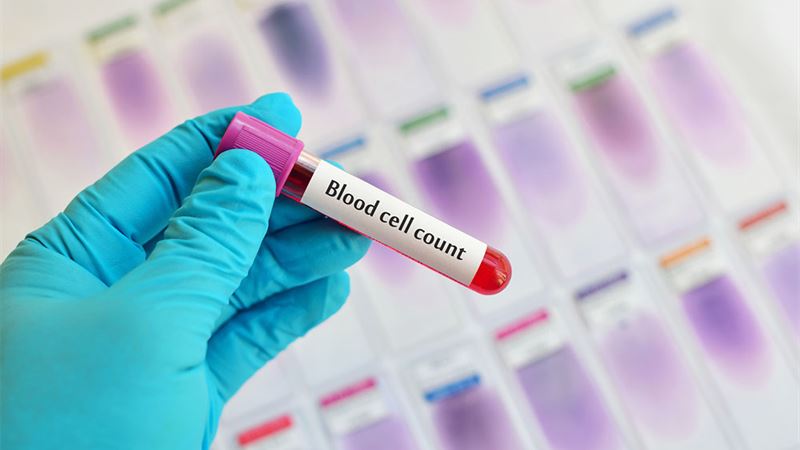
The complete blood count (CBC), also known as a blood cell count or total blood count, is a crucial diagnostic test that provides extensive details about your blood health. The procedure involves drawing a blood sample by inserting a needle into a vein, collecting the blood into a sterile tube, and then analyzing it in a laboratory. This test measures various components, including red blood cells, white blood cells, and platelets, offering vital information for diagnosing, monitoring, and managing numerous health conditions.
Understanding the intricacies of blood cell counts can help you grasp the significance of these tests, identify potential issues early, and guide appropriate treatments. In this comprehensive article, we will explore the causes, symptoms, and prevention strategies related to abnormal blood cell counts, and delve into the diagnostic process and treatment options for related disorders.
What Exactly is a Blood Cell Count?
A blood cell count is a laboratory analysis that quantifies the major components of your blood. It provides information about your overall health and helps detect a wide range of illnesses, including infections, anemia, and blood disorders. The test includes measuring the levels of:
- Red Blood Cells (RBCs): Responsible for carrying oxygen from the lungs to tissues and returning carbon dioxide for exhalation.
- White Blood Cells (WBCs): Key players in the immune system, combating infections and foreign substances.
- Platelets: Essential for blood clotting and wound healing.
By evaluating these components, healthcare providers can identify abnormalities such as low or high counts, which may indicate underlying health concerns.
The Blood Cell Formation Process and Its Significance
Blood cells are produced primarily in the bone marrow, a spongy tissue found inside large bones. This process, known as hematopoiesis, involves stem cells differentiating into specialized cells like RBCs, WBCs, and platelets. The production rate and health of these cells are tightly regulated. Disruption in this process can lead to various blood disorders characterized by deficiencies or excesses in specific blood components. Maintaining a balanced blood cell count is vital for oxygen transport, immune defense, and clotting functions, which collectively sustain overall health and well-being.
Understanding Low White Blood Cell Count (Leukopenia)
White blood cells are fundamental to fight infections and protect the body against diseases. A low white blood cell count, medically known as leukopenia, can compromise immunity and increase susceptibility to illnesses. This condition can result from various causes, and recognizing these is crucial for diagnosis and management.
Common Causes of Leukopenia
- Bone Marrow Disorders: Since WBCs are produced in the bone marrow, any malfunction or suppression of this tissue can reduce white blood cell production. Factors affecting the marrow include exposure to harmful chemicals like benzene, pesticides, or treatments such as chemotherapy and radiation therapy aimed at cancer patients.
- Autoimmune Diseases: Conditions like lupus and rheumatoid arthritis can lead the immune system to mistakenly attack its own white blood cells, resulting in decreased numbers.
- Infections: Certain viral infections, such as HIV or hepatitis, can directly impair bone marrow function or lead to ongoing immune activation that depletes WBCs over time.
- Radiation Exposure: Therapeutic or accidental radiation can damage the marrow, causing temporary or persistent leukopenia.
Symptoms and Clinical Signs of Low WBC Count
Individuals with decreased white blood cells often experience symptoms indicating immune system compromised. These include:
- Persistent or recurrent fever
- Chills and night sweats
- Mouth sores or lesions
- Persistent cough
- Difficulty breathing or shortness of breath
- Abdominal discomfort or rectal pain
Preventive Strategies for Maintaining Healthy White Cell Counts
While some causes of leukopenia are unavoidable, adopting general health practices can reduce the risk of infections and support immune health. These include:
- Maintaining strict hygiene, such as frequent handwashing to prevent pathogen transmission.
- Avoiding contact with sick individuals or crowded places during outbreaks.
- Ensuring proper food handling, including thoroughly cooking meats and seafood.
- Minimizing exposure to environmental toxins and chemicals known to affect bone marrow health.
Managing Low White Blood Cell Counts
Treatment varies based on the cause. For infections, antibiotics or antiviral medications may be prescribed. In other cases, drugs that stimulate white blood cell production, such as granulocyte colony-stimulating factors (G-CSF), might be recommended. For autoimmune-related leukopenia, immunosuppressant therapy may be necessary. Monitoring blood counts regularly allows healthcare providers to adjust treatment plans effectively and prevent complications.
Understanding Low Red Blood Cell Count and Anemia
Red blood cells are tasked with delivering oxygen throughout your body. When their numbers decline, tissues and organs may not receive enough oxygen, resulting in symptoms like fatigue and weakness. Anemia, characterized by low hemoglobin levels, is a common cause of low red blood cell count and can stem from various health issues.
Major Causes of Anemia
- Iron Deficiency: The most common cause, often due to inadequate dietary intake, poor absorption, or chronic bleeding.
- Vitamin B12 and Folic Acid Deficiency: These nutrients are vital for red blood cell production; deficits impair normal cell formation.
- Blood Disorders: Genetic conditions like sickle cell anemia or thalassemia disrupt normal red blood cell synthesis or increase destruction.
- Rapid Red Blood Cell Breakdown: Conditions such as hemolytic anemia cause premature destruction of red blood cells.
- Bleeding: Ulcers, hemorrhoids, or gastritis can lead to significant blood loss, resulting in anemia.
Symptoms Indicating Low Red Blood Cells
Signs of anemia include:
- Persistent fatigue and weakness
- Dizziness and lightheadedness
- Headaches and difficulty concentrating
- Irritability and mood changes
- Shortness of breath and chest discomfort in severe cases
Treatments for Red Blood Cell Deficiency
Addressing anemia depends on its underlying cause. Common interventions include:
- Daily oral iron supplementation for iron-deficiency anemia
- Red blood cell transfusions in severe cases
- Management of inherited disorders like sickle cell disease or thalassemia, which may involve bone marrow transplants
- Hormone therapy with erythropoietin (EPO) injections to stimulate red blood cell production
Diagnosis and Monitoring of Blood Cell Counts
Physicians utilize complete blood count (CBC) tests to evaluate blood cell levels and identify abnormalities. Additional diagnostic procedures or tests may be conducted based on initial findings, including bone marrow biopsies or specific genetic testing. Regular monitoring aids in assessing treatment effectiveness and disease progression.
The Importance of Maintaining Healthy Blood Counts
Blood cells are essential for transporting oxygen, supporting immune defenses, and facilitating clot formation. Imbalances can lead to various health issues, including fatigue, increased infection risk, and bleeding problems. Timely diagnosis and appropriate intervention are key to maintaining optimal health. If you experience persistent symptoms such as fatigue, frequent infections, or unusual bleeding, consult your healthcare provider promptly. Remember, early detection often results in more effective treatment and better health outcomes.