
Essential Components of a Comprehensive Car Accident Report
A detailed car accident report is essential for claims and legal proceedings. It should include an accurate description of the incident, witness statements, photos, and driver and police details. Proper documentation streamlines the process and helps establish fault or innocence, ensuring timely resolution and fair treatment. Learn the key components to include in your report to protect your rights and support your case effectively.
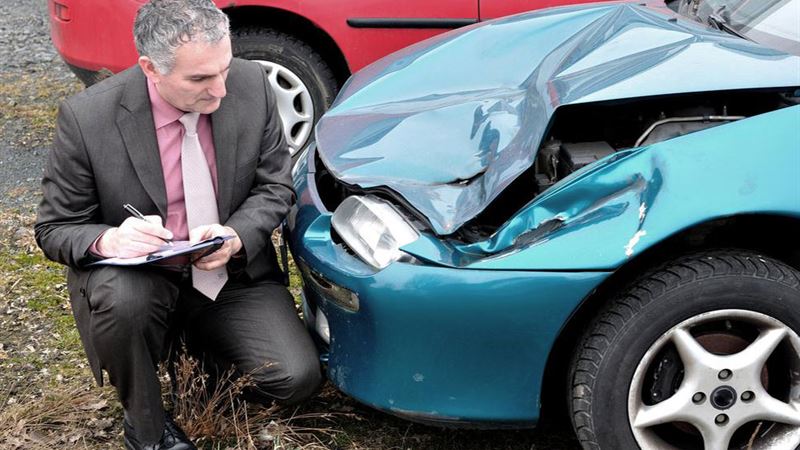
When involved in a vehicular collision, compiling an accurate and detailed accident report is crucial for insurance claims, legal proceedings, and settlement processes. A well-prepared report not only aids in swift resolution but also ensures that all relevant details are documented to establish fault or innocence. Understanding what to include in your car accident report can make a significant difference in the post-accident process. This article delves into the key elements that should be incorporated into an effective car accident report, elaborating on each component to help you create a thorough documentation of the incident, regardless of fault.
Detailed Description of the Incident: The first step in writing a car accident report is documenting a comprehensive account of what transpired. This includes noting the date, time, and location of the accident, along with atmospheric conditions such as weather, visibility, and lighting at the scene. Describe the sequence of events as accurately as possible—what your vehicle was doing, the actions of other drivers involved, and any relevant road conditions like potholes, construction zones, or obstructions. Even minor details like traffic signals, signage, or road markings can be crucial in understanding the incident's context. Avoid assumptions or assigning blame; stick to factual observations. Detailing the positioning of vehicles, the speed of each vehicle, and any evasive maneuvers made can help paint a clear picture for authorities and insurance adjusters. Remember, clarity and precision are your best allies when describing the incident.
Collection of Witness Statements: Eyewitness accounts can significantly influence the outcome of your claim or legal case. If there were any bystanders, other drivers, or passengers who saw the accident unfold, try to obtain their contact information and written statements. When possible, record their accounts using audio or video recordings for added authenticity. Witness testimonies can corroborate your version of events, demonstrate that you acted responsibly, or highlight the fault of another driver. Make sure to include the witness's full name, contact details, and a summary of what they observed. Presenting unbiased third-party observations can often tip the scales in legal or insurance investigations, aiding in fair resolution.
Photographic Evidence of the Scene: Visual documentation is one of the most effective ways to serve as concrete proof of damages, accident circumstances, and roadway conditions at the time. Take multiple photos from different angles, capturing the overall scene along with close-ups of vehicle damage, skid marks, traffic signs, and nearby landmarks. Focus on areas indicating impact points, tire skid marks, and any debris or road obstructions. Ensure images are clear and well-lit, and when possible, include timestamped photographs that can serve as evidence of the scene at the time of the accident. Well-compiled photographs can expedite insurance claims, support legal cases, and clarify the scale of damages sustained.
Driver and Law Enforcement Details: It is vital to record comprehensive information about all involved drivers, including name, contact information, driver’s license number, vehicle registration details, and insurance policy data. Additionally, obtain the police officer’s badge number, affiliation, and contact details. When law enforcement arrives, it’s advisable to request a copy of the official police report. These records are invaluable when processing claims or pursuing legal action. Accurate data entry ensures smooth coordination with authorities and avoids miscommunications that could delay resolution. Remember, providing complete and truthful information will ease the process and facilitate a timely settlement.
In conclusion, a detailed, accurate, and well-documented car accident report is fundamental for protecting your rights and ensuring a smooth claims process. This report should encompass a factual incident description, eyewitness statements, photographic evidence, and complete identification details for drivers and law enforcement officials. Preparing a comprehensive report after an accident not only helps in the quick resolution of claims but also serves as a critical record if disputes arise later. Taking the time to gather all necessary information at the scene can greatly influence the outcome of your insurance settlement and legal proceedings, making it worth the effort and attention.