
Essential Tips to Avoid for Better Management of Overactive Bladder Symptoms
Learn the crucial behaviors to avoid for better management of overactive bladder. Discover effective bladder training techniques, the importance of pelvic exercises, and lifestyle habits that can worsen your symptoms. Implement these tips to regain control, reduce urgency, and improve your quality of life with practical, expert advice.
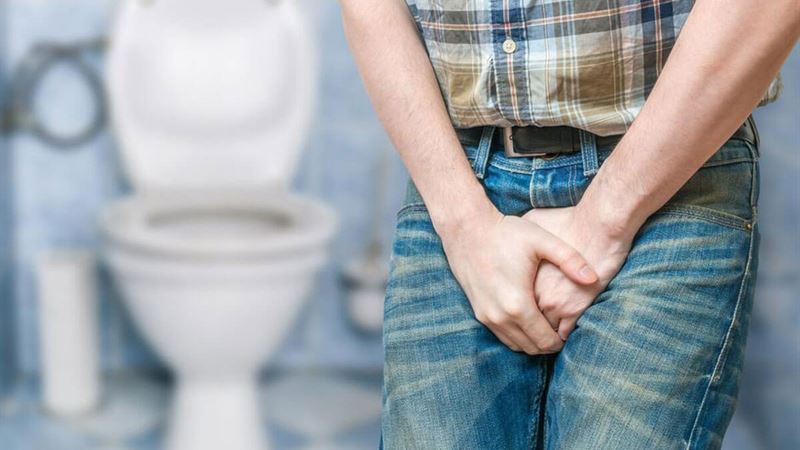
Overactive bladder (OAB) can significantly impact your daily activities and overall quality of life. While various treatment options and lifestyle modifications can help manage its symptoms, understanding what to avoid is equally crucial. Many individuals unknowingly implement habits that exacerbate their condition, making symptom control more challenging. In this comprehensive guide, we will delve into the key behaviors and choices that can worsen overactive bladder symptoms and offer practical tips on what to steer clear of for improved bladder health.
Avoid Rushing to Urinate Immediately
One common misconception is that the immediate response to feeling the urge to urinate is always beneficial. People with OAB often find themselves rushing to the bathroom at the first sign of urgency, especially during travel or social outings. However, research indicates that practicing some bladder training—delaying urination slightly—can be advantageous. By consciously holding your urine for a few minutes before heading to the restroom, you can strengthen your pelvic muscles and gain better control over bladder spasms. Creating a urination schedule, such as every one to two hours, can help retrain your bladder and reduce urgency episodes over time. This approach not only reduces unnecessary bathroom trips but also empowers you to regain control over your bladder function.
Neglecting Pelvic Floor Muscle Exercises
Pelvic floor muscle exercises, notably Kegel exercises, are highly effective in managing overactive bladder symptoms. Despite being simple and accessible, many individuals ignore the importance of maintaining a daily exercise routine for these muscles. Chronic conditions like OAB often require ongoing management, and pelvic floor exercises play a vital role in strengthening bladder control. Consistent practice can help alleviate urgency, reduce leaks, and improve overall bladder stability. Giving up on these exercises can lead to a resurgence of symptoms, undermining your efforts. To maximize benefits, incorporate pelvic floor exercises into your daily routine and persist, even when progress seems slow.
Falling for the Lure of Bladder Stimulators
Dietary and lifestyle choices significantly influence bladder health. Certain drinks and foods act as stimulators, exacerbating overactive bladder symptoms. Among these, alcohol and caffeine-containing beverages are prime culprits. Alcohol increases urine production and irritates the bladder lining, often leading to frequent trips to the bathroom, especially at night. Similarly, caffeine acts as a bladder stimulant, causing muscles to contract more frequently and intensifying urgency episodes. Many individuals underestimate the impact of these stimulants on their condition. To mitigate symptoms, consider reducing your intake or eliminating these drinks altogether. Transitioning to a caffeine-free lifestyle can dramatically improve your quality of life, reducing nocturnal awakenings and daytime urgency.
In addition to reducing stimulants, reviewing your medications is essential. Certain drugs, such as diuretics, NSAIDs, estrogen pills, allergy medications, and antidepressants, can inadvertently worsen OAB symptoms. Do not stop or alter your medication regimen without consulting your healthcare provider. Instead, discuss possible alternatives or dosage adjustments to minimize bladder irritation. Taking proactive steps like managing dietary stimulants and reviewing medications can significantly ease the symptoms and help you regain control over your bladder.
Important Notes on Lifestyle and Health Habits
Beyond diet and exercises, other habits can influence overactive bladder symptoms. For instance, maintaining a healthy weight reduces pressure on the bladder, while smoking aggravates bladder issues and increases the risk of other urinary problems. Hydration is also vital; drinking adequate amounts of water supports overall bladder function, but excessive intake may lead to increased frequency. Be mindful of fluid consumption, particularly close to bedtime, to prevent nighttime bathroom trips. Also, managing stress through relaxation techniques can diminish symptoms, as stress can trigger bladder spasms. Adopting a comprehensive approach that includes lifestyle modifications and mindful behaviors is essential for effective symptom management.
Consulting with healthcare professionals, including urologists and pelvic floor specialists, can provide personalized strategies tailored to your specific condition. Remember, early intervention and consistent management are key to improving your quality of life. Avoiding these detrimental habits and embracing healthier routines can drastically enhance your ability to control overactive bladder symptoms.