
Comprehensive Guide to Flood Insurance: Protecting Your Home and Assets
This comprehensive guide explores flood risk assessment, FEMA’s mapping initiatives, insurance coverage details, and practical advice for homeowners to safeguard their property against flood damages. It emphasizes the importance of understanding risk zones, policy limits, and exclusions, especially in high-risk areas. By being proactive and informed, homeowners can ensure they have adequate flood coverage, protecting themselves from significant financial loss during floods. Stay updated with the latest in flood insurance policies and risk management strategies to make well-informed decisions for your home’s safety.
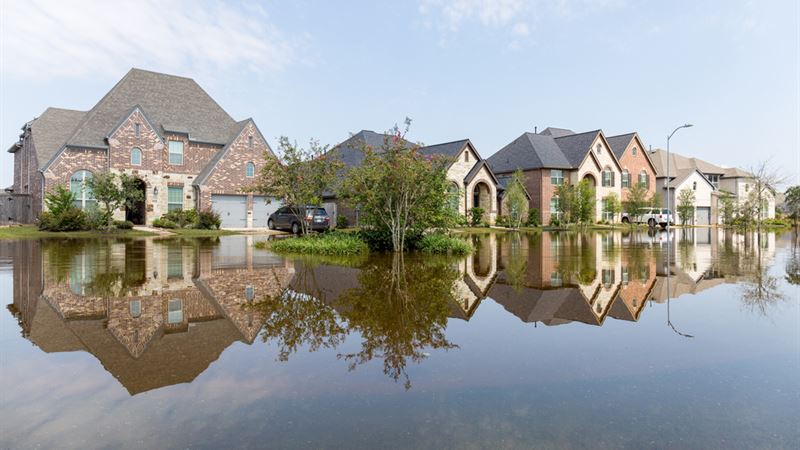
Understanding flood risk is a crucial step for homeowners and prospective buyers alike. Before purchasing a property, it's essential to assess the likelihood of flooding in the area. The Federal Emergency Management Agency (FEMA) provides invaluable resources, including updated flood zone maps and risk assessments, enabling you to make informed decisions about your insurance needs. Accessing FEMA's official website allows you to view detailed flood maps that classify regions into various risk zones—high, moderate, low, and undetermined—based on historical data and geographical factors.
FEMA’s flood risk maps are periodically revised to reflect new data and changing environmental conditions. These maps categorize regions according to their susceptibility to flooding, directly influencing the types and costs of flood insurance policies available. High-risk zones, often located near coastlines, rivers, or floodplains, are legally mandated to carry flood insurance under federal regulations. These areas are monitored closely, and insurance requirements are enforced to ensure homeowners are protected. Moderate risk zones, which have historically experienced around twenty percent of flood claims, still warrant serious consideration for coverage, given the potential for damage.
One of the primary purposes of flood insurance is to safeguard your property's structural integrity and valuables inside it. It's important to clarify that flood insurance generally does not cover the land or the purchase price of the property itself but focuses on the physical structures and contents affected by floodwaters. Standard policies cover essential components such as walls, flooring, fixtures, electrical systems, and personal belongings stored inside the home.
However, coverage limits are set for specific items to recognize their value and the insurer's risk management. For example, high-value items like artworks, antiques, or jewelry might have maximum payout caps—often around twenty-five hundred dollars—to prevent overextending the insurer's liability. It's advisable to read and understand your property insurance policy thoroughly, especially regarding coverage limits and exclusions, before purchasing flood insurance.
Flood insurance policies also come with certain exclusions that homeowners need to be aware of. Typically, policies exclude coverage for cash, valuable metals, important documents, and most self-propelled vehicles, including cars and motorcycles. Items stored in basements—such as furniture, electronics, and stored valuables—are only partially covered, and it’s recommended to keep valuable possessions away from basement storage if you reside in a flood-prone area.
Additionally, the basic coverage typically includes damage to the foundation, drywall, electrical wiring, HVAC systems, and other structural components. It often covers the rebuilding or repairing costs necessary due to flood damage. Nonetheless, it’s crucial to assess the specifics of your policy to know precisely what is included and what is excluded. In high-risk zones, considering additional coverage or protective measures can prevent significant financial loss.
Ultimately, choosing the right flood insurance policy involves evaluating past flood data, understanding your property's susceptibility, and consulting with insurance experts. Proactive planning ensures that, in the event of flooding, you are financially supported and your property can be restored swiftly. Remember, flood insurance is a vital part of comprehensive risk management for homeowners, particularly in areas prone to seasonal or unpredictable flooding events.
Stay informed about the latest developments in insurance policies and flood risk management by following reputable sources and authorities. Connecting via social media platforms like Facebook and Twitter provides updates, tips, and insights that can help you safeguard your home and assets effectively.