
Understanding Night Sweats: Causes, Symptoms, and When to Seek Help
Night sweats can stem from benign causes like hormonal shifts or serious illnesses such as infections and cancers. Recognizing symptoms and triggers is vital for effective management. This detailed guide explores causes ranging from menopause to infections and highlights when medical intervention is necessary to diagnose and treat underlying conditions, improving overall health and sleep quality.
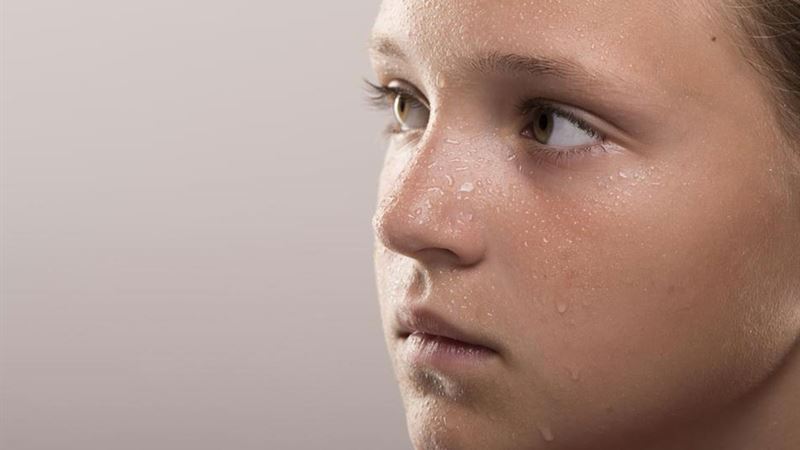
Night sweats, also known as sleep hyperhidrosis, refer to excessive sweating that occurs during sleep. While occasional night sweats can be harmless, persistent or severe episodes may signal underlying health issues or other factors requiring medical attention. Recognizing the causes and symptoms of night sweats is essential for proper diagnosis and treatment. This comprehensive guide discusses the various factors that can trigger night sweating, from benign conditions to serious illnesses, and provides insight into when it is necessary to consult a healthcare professional.
Night sweats can significantly impact quality of life, disturbing sleep and leading to discomfort and fatigue. They can also be a symptom of hormonal changes, infections, medication effects, or other medical conditions. Understanding the common causes helps in effective management and early detection of underlying health concerns.
Common Causes of Night Sweats
- Medication Side Effects: Numerous medications are known to induce night sweats as a side effect. Certain antidepressants, especially selective serotonin reuptake inhibitors (SSRIs) and tricyclic antidepressants, frequently cause increased sweating during sleep. Corticosteroids, often prescribed for inflammatory conditions, can also trigger these episodes. It’s important for patients to be aware of this potential, especially if symptoms develop after starting new medication. Consulting a healthcare provider about side effects is essential before discontinuing or adjusting medication.
- Hormonal Fluctuations, Particularly Menopause: For women experiencing menopause, hot flashes are a common symptom that often extend into night sweats. These are caused by hormonal changes, especially decreased estrogen levels, leading to vasomotor symptoms that manifest as sudden warmth and sweating during sleep. Managing menopausal symptoms may involve hormone therapy or lifestyle adjustments.
Serious Infections and Chronic Conditions
- Tuberculosis: Historically, tuberculosis (TB) has been a leading cause of night sweats. This contagious bacterial infection primarily targets the lungs, causing persistent fever, weight loss, and profuse sweating, especially during the night. Diagnosis involves medical tests such as chest X-rays and sputum analysis, with treatment including antibiotics over several months.
- Bacterial Abscesses and Infections: Severe infections like abscesses, which may occur in the tonsils, skin (boils), diverticulitis, or appendix, can provoke night sweating. As the body fights infection, thermoregulatory responses cause excessive sweating, particularly at night. Effective treatment addresses the underlying infection.
- HIV/AIDS: Individuals living with HIV/AIDS often experience pronounced night sweats, often accompanied by fever, weight loss, and fatigue. These sweats can be severe enough to soak bed linens and clothing. Management involves antiretroviral therapy and treating associated infections.
Other Contributing Factors
- Medication for Migraines and Fever: Common over-the-counter medications like acetaminophen (paracetamol) and aspirin used to reduce fever and alleviate headaches can sometimes cause night sweats. Flushing of the face and neck may also occur. Care should be taken not to increase these medications without medical advice to avoid adverse effects.
- Stress and Anxiety: Psychological factors such as stress, anxiety, and panic attacks may trigger episodes of night sweats. This response is part of the body’s fight-or-flight mechanism, causing sweating and heightened alertness during sleep.
- Other Medical Conditions: Conditions like hypoglycemia (low blood sugar), certain cancers (like lymphoma), and thyroid disorders (hyperthyroidism) can lead to episodes of night sweating. These require specific medical investigations and tailored treatments.
When to Seek Medical Attention
If night sweats are persistent, severe, or accompanied by other symptoms such as unexplained weight loss, fever, fatigue, or pain, it is important to consult a healthcare professional promptly. Proper diagnosis ensures that underlying causes are addressed, whether they stem from hormonal imbalances, infections, or more serious health conditions.
In some cases, diagnosing the root cause may involve blood tests, imaging studies, or biopsies. Effective treatment depends on identifying and managing the specific condition contributing to the night sweats. Lifestyle adjustments, medication changes, and targeted therapies are often employed to alleviate symptoms and improve quality of life.