
Effective Strategies for Achieving and Maintaining Healthy Weight
This comprehensive guide explores effective weight management strategies, including reducing processed foods, moderating sugar intake, staying hydrated, eating protein-rich foods, and limiting refined carbs. Sustainable lifestyle changes supported by healthy eating habits and physical activity can help you achieve your weight goals and enhance overall well-being. Learn practical tips to incorporate these habits into daily life and enjoy the benefits of a healthier, happier lifestyle.
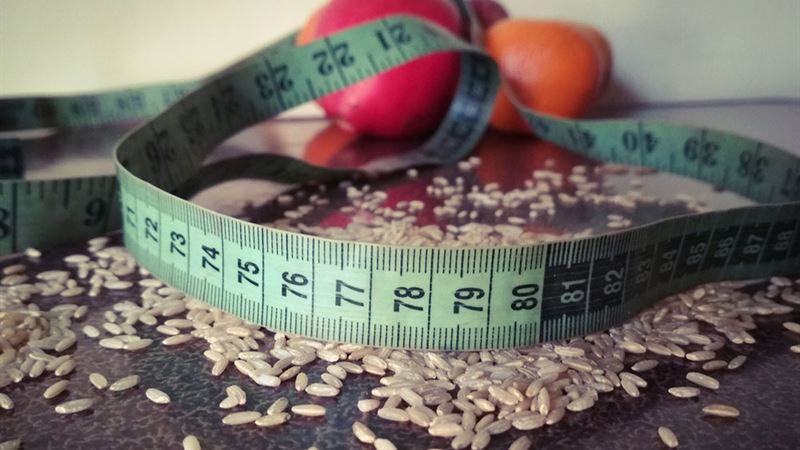
Embarking on a journey toward a healthier body often involves making significant changes to your diet and lifestyle. Many individuals find themselves attracted to comfort foods—those delicious, tempting, and flavorful dishes that bring temporary satisfaction but can hinder long-term health goals. Understanding how to manage weight effectively requires awareness, discipline, and adopting sustainable habits that promote overall well-being.
One of the foundational steps in weight management is controlling the intake of processed foods. These foods, laden with preservatives, artificial flavors, and unhealthy fats, can derail your efforts toward a slimmer, healthier physique. Instead, focus on incorporating whole, unprocessed foods into your daily diet, which provide essential nutrients without added chemicals or excessive calories.
Minimize Sugar Consumption
Sugar is often called the silent enemy because of its prevalence in our diets and its detrimental effects on health. While delicious and satisfying in small amounts, excessive sugar intake is linked to a host of health problems, including obesity, insulin resistance, type 2 diabetes, cardiovascular diseases, and certain types of cancer.
Most of us are unaware of how much sugar we consume daily, mainly because added sugars are hidden in many processed foods—sauces, cereals, snacks, beverages, and even savory dishes. Moderation is key; it is crucial to read nutrition labels carefully and reduce the intake of sugary items. Replacing sweetened drinks with healthier alternatives like herbal teas or plain water can significantly reduce your sugar consumption and support weight loss efforts.
Stay Hydrated with Water
Water is arguably the most essential nutrient for human survival and health. Despite its importance, many people underestimate the benefits of staying properly hydrated. Drinking enough water throughout the day not only aids in maintaining bodily functions but also plays a vital role in weight management.
Consuming a glass of water before meals can suppress appetite, thereby helping to control calorie intake. Additionally, replacing caloric-laden beverages such as sodas and energy drinks with plain water reduces unnecessary calorie consumption. Proper hydration boosts metabolism, improves digestion, and supports efficient fat burning, making it a simple yet powerful tool in your weight management arsenal.
Incorporate Protein-Rich Foods
Proteins are essential macronutrients that support muscle building, tissue repair, and overall health. When it comes to weight management, including adequate protein in your diet helps increase satiety, decrease hunger pangs, and promote a higher metabolic rate.
Protein-rich foods such as eggs, lean meats, dairy products, legumes, and plant-based sources provide the necessary amino acids for muscle growth and repair. For breakfast, a simple dish like boiled or scrambled eggs can give your body the protein boost needed to start the day. As an added benefit, digesting protein requires more energy, which means your body burns more calories during digestion, aiding weight loss.
Limit Intake of Refined Carbohydrates
Carbohydrates are an important energy source, but not all carbs are created equal. While complex carbs like whole grains, vegetables, and fruits contribute to a balanced diet and aid digestion, refined carbs like white bread, pastries, and sugary snacks offer little nutritional value and are linked to increased hunger and overeating.
Refined carbs are processed to remove fiber and nutrients, making them rapidly digestible and leading to spikes in blood sugar levels. These fluctuations can trigger cravings and overeating, which impede weight management efforts. To maintain optimal health, substitute refined carbs with whole grains and fiber-rich foods. Say no to white bread, sodas, baked sweets, and processed snacks, and choose healthier options that support your weight loss goals.
Achieving and maintaining a healthy weight is not about quick fixes or extreme diets but about making consistent, mindful choices. Incorporate whole foods, control sugar intake, stay well-hydrated, include plenty of proteins, and avoid refined carbohydrates. These strategies, combined with regular physical activity, can lead to sustainable weight management, improved health, and a better quality of life. Remember, patience and perseverance are essential on this journey to a healthier you.