
Essential Guide to Water Safety for International Travelers
Travelers must prioritize water safety through diligent inspection, choosing bottled water, and understanding regional water quality standards. Proper precautions can prevent waterborne illnesses like typhoid and cholera, especially in developing countries. Always verify water sources, avoid untrusted ice and produce, and consider health consultations before travel. Using reliable filtration and bottled water ensures safety, enabling travelers to maintain good health and enjoy their journeys. Staying informed about global water safety ratings helps in making educated travel decisions and avoiding health risks associated with unsafe water consumption.
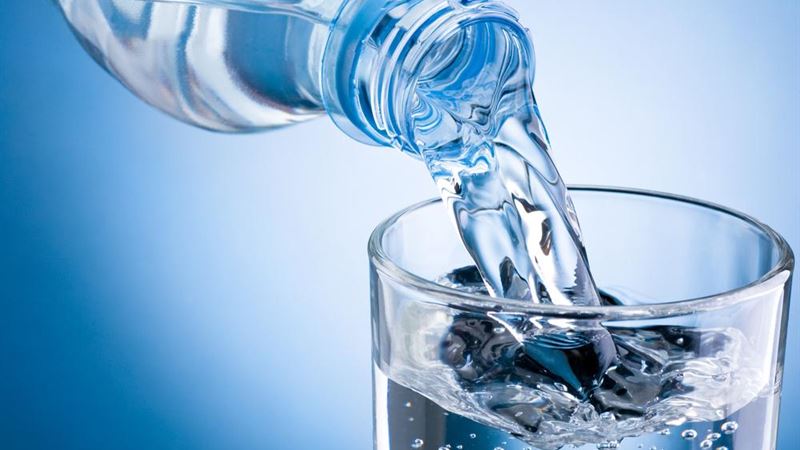
Ensuring the safety of drinking water is a critical aspect of travel health preparedness. Before you set off on your journey, especially to foreign destinations, take the time to verify the quality and safety of the water available at your travel locations. One simple but effective way is inspecting bottled water for packaging integrity—check for an intact seal and proper labeling. This simple step can save you from a host of health issues.
When traveling, many travelers underestimate the risks posed by contaminated water. This oversight can lead to serious illnesses such as cholera, hepatitis A, typhoid, and other waterborne diseases. The risk is particularly significant in developing countries where water sanitation infrastructure may be lacking, water sources are scarce, or unhygienic living conditions prevail. Knowing which regions maintain safe drinking water standards is essential for both leisure travelers and business professionals making international visits.
Understanding water safety across different continents is crucial. In many developed nations, tap water is rigorously treated and considered safe for daily consumption. Conversely, in numerous regions across Africa, Asia, and parts of Central and South America, tap water may be unsafe or outright dangerous for drinking or even indirect contact.
Foreigners and expatriates should exercise heightened caution. Water that is safe for local residents might not be suitable for visitors due to differences in immunity and tolerances. These precautions extend beyond just drinking water; they encompass water used for activities such as brushing teeth, rinsing, swimming, and even in preparing ice or consuming locally-made juices.
Safe water practices go beyond drinking; it involves mindful habits around water exposure during travel. Take precautions to prevent waterborne illnesses by being aware of your environment, particularly when engaging in recreational activities like swimming or bathing. Natural water bodies may harbor bacteria, parasites, or chemical pollutants—so always verify their safety before swimming or wading. Similarly, the water used in showers or to brush your teeth should be scrutinized.
Here are critical water safety tips for international travelers:
- Always inspect the natural water bodies or pools to ensure they are free from obvious contamination, or preferably avoid swimming in unfamiliar waters.
- Be cautious with ice cubes; they often originate from untreated water sources. Avoid using ice in drinks unless you are certain of its safety.
- When showering, keep your mouth closed and avoid swallowing water. Use antimicrobial or antiseptic soaps to reduce the risk of skin infections.
- Research the water quality standards of your destination in advance. Consult your hotel staff or local guides to understand which water sources are safe for consumption or contact.
- Refrain from eating raw produce or salads unless they have been properly washed and cooked with safe water. Opt for well-cooked, hot foods whenever possible.
- Drink only bottled or boiled water—preferably certified for safety—when in regions with questionable water quality.
- Include in your travel preparations appropriate vaccines and medications as advised by healthcare providers. These can provide additional protection against waterborne diseases.
- Use safe beverages, like bottled tea or coffee prepared with filtered water, instead of tap water or unverified sources.
- Always avoid consumption of unpasteurized juices or locally-made drinks unless verified to be safe.
- Invest in comprehensive travel insurance that covers medical expenses, especially for illnesses related to contaminated water.
While many countries boast excellent tap water quality, some regions are notorious for questionable water safety. Developed nations such as Sweden, the United Kingdom, New Zealand, Germany, Italy, France, Austria, Luxembourg, Switzerland, and Norway consistently rank high for potable tap water. On the other hand, countries like India, Bangladesh, Rwanda, Ghana, Haiti, Laos, Ethiopia, Cambodia, and Afghanistan face significant water safety challenges, making bottled water a necessity.
Choosing Bottled Water for Safe Hydration is a practical solution when traveling in areas with uncertain water quality. Bottled water is widely available, often complimentary at hotels, and provides peace of mind. Before departure, consulting with your healthcare provider about travel vaccines can protect you from diseases associated with unsafe water. Some travelers consider using water purification tablets, iodine, or filtration devices; however, these methods have limitations and may not eliminate all pathogens. Relying on bottled water remains the safest choice in high-risk regions.
Disinfecting water by adding substances such as alcohol or lemon is ineffective and not recommended. While iodine tablets can disinfect water temporarily, they may not kill all parasites or bacteria. Advanced filtration methods, such as portable purifier devices, are more reliable for improving water safety during travel.
To quantify water safety across the globe, organizations like the World Health Organization (WHO), World Bank, UNICEF, and the United Nations Development Programme (UNDP) have developed the Safe Water for International Travelers (SWIT) ranking. This system assesses continents and countries based on their drinking water quality, providing travelers with vital information. The SWIT grade helps in planning safe travel routes and implementing necessary health precautions, especially in regions with high waterborne disease risks.
Remember, health is priceless, and a water-related illness can derail your plans and incur hefty medical expenses abroad. Always prioritize drinking bottled or purified water and adopt safe water habits. Your health, comfort, and travel experience depend on it. Stay hydrated, stay safe, and enjoy your travels with confidence!