
Comprehensive Guide to Water Delivery Services: Addressing Global Water Scarcity
This comprehensive article explores the vital role of water delivery services in addressing global water scarcity. It discusses historical challenges, technological advancements, community programs, and the importance of sustainable water logistics. As water resources continue to deplete, innovative delivery solutions offer a practical, cost-effective way to ensure reliable water access for households, industries, and communities, making it an essential component of future water security strategies.
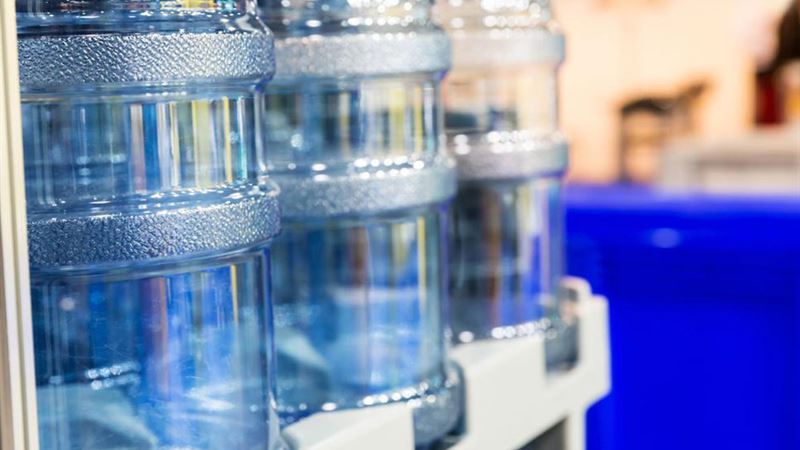
Water is an essential resource vital for life, agriculture, industry, and everyday human activities. However, the growing demand combined with mismanagement and overuse has led to a significant global water crisis. Historically, humanity relied on natural sources such as rivers, lakes, reservoirs, aquifers, and harvested rainwater. Unfortunately, years of excessive extraction and pollution have depleted these resources, creating a mounting crisis that requires urgent action. This comprehensive guide explores water delivery services as a practical solution to mitigate water scarcity, their development, technology, and importance for communities worldwide.
Over millennia, water scarcity was localized, but modern factors have transformed it into a widespread global issue. The industrial revolution, population explosion, urbanization, and climate change have significantly impacted water availability. The over-extraction of groundwater, especially in the United States and other developed nations, has caused water tables to decline at alarming rates. Cities and agricultural sectors often deplete underground reservoirs faster than they can be replenished, disrupting ecological balances and threatening future water security.
The original methods of accessing groundwater started over a century ago when deep wells and boreholes became common. These techniques initially provided relief but soon led to unintended consequences—such as land subsidence and reduced aquifer levels. Globally, countries have faced similar challenges, prompting the need for more sustainable water management solutions.
In response to these mounting challenges, water delivery services have emerged as vital infrastructural solutions. These services encompass a broad spectrum—from small-scale household deliveries to large industrial water logistics. During periods of drought or natural disasters, these services ensure that affected populations receive clean, safe water, reducing health risks and maintaining societal functions. Seasonal and temporary crises often see a surge in demand for water transport, illustrating the importance of reliable, adaptable delivery systems.
The role of companies offering water delivery services has become increasingly critical. Many of these firms employ sophisticated methods, including tanker trucks, pipelines, and even innovative drone or automated systems, to transport water in efficient and cost-effective ways. Moreover, advancements in treatment and purification technology enable these services to provide potable water, even from seemingly contaminated sources, ensuring safety and compliance with health standards.
Technology has revolutionized water logistics. Modern water delivery systems employ GPS tracking, real-time monitoring, automated scheduling, and filtration units, making the process faster and more reliable. For example, smart water management systems integrate data analytics to optimize routes and reduce wastage, ensuring maximum efficiency. This technological evolution has decreased costs and increased accessibility, making water delivery a feasible solution for various sectors—from households and rural communities to large industrial facilities.
Community-based water delivery programs also play a vital role, especially in remote or developing regions where infrastructure may be lacking. These programs often involve local partnerships and government initiatives to build sustainable water access points. Such efforts help reduce dependency on distant natural sources and empower communities to manage their water resources effectively.
Private sector involvement is another crucial aspect. Numerous companies specialize in emergency water supply, logistics planning, and operational management, contributing to a resilient water infrastructure nationwide. During emergencies like floods, droughts, or infrastructure failures, these services become indispensable, providing rapid response and stabilization of water availability.
Beyond crisis management, water delivery services also support routine water needs. They assist in rural development projects, agricultural irrigation, and industrial processes where reliable water supply is critical. As the world continues to face climate variability, these services are expected to grow in importance, complementing traditional supply systems to ensure water security for future generations.
Economically, water delivery has transitioned from a costly and exclusive service to an affordable necessity accessible across various income levels. Government subsidies, technological innovations, and increased competition among service providers have driven prices down, making regular water transport feasible for households and businesses alike. This shift contributes significantly to public health, reducing the incidence of waterborne diseases and improving overall quality of life.
In conclusion, water delivery services are an indispensable component in the global effort to combat water scarcity. Their development, driven by technological advancement and strategic planning, offers a sustainable approach to managing water resources effectively. As populations grow and climate challenges intensify, investing in efficient water logistics and infrastructure will be fundamental to ensuring equitable water access for all. The key lies in continued innovation, collaboration, and commitment to sustainable water management practices worldwide.