
The Evolution of Wristwatches: Modern Trends and Market Insights
Explore the dynamic evolution of wristwatches in the US market, highlighting popular styles such as automatic, luxury, sports, and large dial watches. Understand consumer preferences, pricing trends, and the growing demand for high-end and fashionable timepieces. This comprehensive guide delves into the industry’s thriving market, new trends, and future growth prospects for watch enthusiasts and industry stakeholders alike.
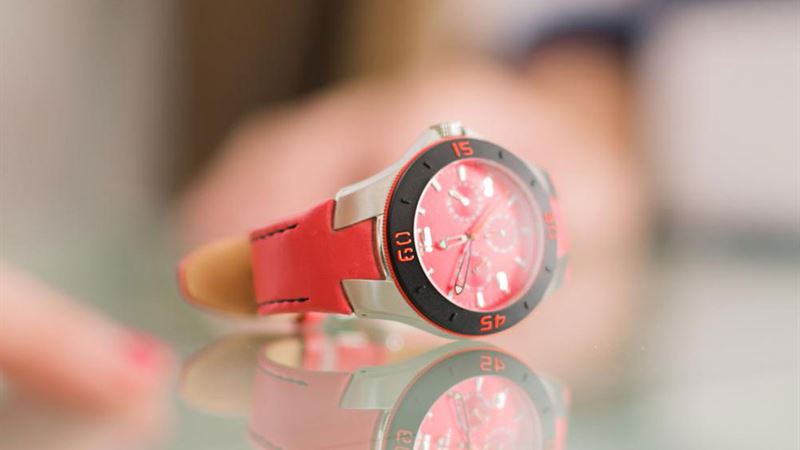
Wristwatches have transcended their traditional role as mere timekeeping devices to become prominent fashion accessories and symbols of personal style. Over the years, the watch industry has seen remarkable innovation and diversification, catering to a broad spectrum of preferences and lifestyles. From automatic movements to luxury masterpieces, the modern watch market is dynamic and thriving. This comprehensive guide explores current trends, popular styles, pricing variations, and consumer preferences that shape the modern wristwatch industry.
Automatic watches remain the most favored type in the United States. They operate through the natural motion of the wearer’s wrist, eliminating the need for manual winding. This convenience, coupled with their intricate craftsmanship, makes automatic watches highly sought after among enthusiasts and casual wearers alike. The craftsmanship involved in automatic watches appeals to both object collectors and everyday users eager to invest in quality timepieces.
The demand for larger dial watches has surged significantly in recent years. These oversized watches serve as bold fashion statements for both men and women, reflecting contemporary trends emphasizing size and presence. Large watches have become a staple in modern fashion, appreciated for their aesthetic appeal and versatility in styling. They go beyond traditional functionality, encapsulating a lifestyle statement that pairs well with casual, professional, and semi-formal attire.
Luxury wristwatches have experienced an upward trajectory in the American market. Consumers increasingly view high-end watches as an investment and a status symbol, often comparing them to assets like gold and diamonds. Renowned brands such as Rolex, Patek Philippe, and Audemars Piguet dominate this segment, providing a combination of craftsmanship, exclusivity, and prestige. The growing middle class and affluent consumers ensure that the luxury watch segment continues expanding, further boosting the overall industry growth.
Sports watches are carving out a dedicated niche within the marketplace. Known for their durability, lightweight design, and advanced features like chronographs and timers, sports watches are favored by active individuals and sports enthusiasts. The evolution of sports watches has influenced broader trends, inspiring sleek, lightweight models with large dial sizes that appeal to everyday users seeking functional yet fashionable accessories.
Swiss watches hold a revered position among American consumers. Their reputation for precision, craftsmanship, and heritage makes Swiss brands a preferred choice. The rise of online shopping platforms has simplified the purchase process, making authentic Swiss watches more accessible to buyers nationwide. This availability, combined with a perception of quality and prestige, sustains Swiss watches’ popularity across different consumer segments.
In terms of gender-specific preferences, men’s wristwatches tend to be larger, more diverse, and feature a wider array of styles. Typically, men use watches as a key component of their personal style, integrating features tailored to functional needs—be it dress, field, racing, driver, or aviation styles. Each category is designed based on specific utility and aesthetic preferences, reflecting a man’s lifestyle and personality.
Women, on the other hand, often select watches based on occasions and personal taste rather than as primary style statements. Popular choices among women include jeweled watches, pendant watches, bracelet styles, and sporty models. While watches are not necessarily a core part of women’s fashion identity, many incorporate them as accessories that complement their outfits and social settings.
Pricing variations reflect the differences in style, brand, and functionality. Men’s watches generally command higher prices, especially in the luxury segment. Entry-level men’s watches may start around $30 to $35, while standard women’s watches can range from $16 to $20. Luxury watches, for both genders, often range in the hundreds or thousands of dollars, with some high-end models fetching millions in auctions. The value behind these watches often lies in craftsmanship, brand heritage, and exclusivity.
The demand for wristwatches continues to rise in the United States. Consumers are increasingly inclined toward high-quality, luxury, and large-dial watches, reflecting broader fashion and lifestyle trends. The market has shown a consistent annual growth rate of approximately 20-22% over recent years, driven by an expanding consumer base interested in both practical and status-enhancing timepieces. Experts anticipate this growth trajectory will persist in the foreseeable future, signaling a vibrant and resilient industry moving forward.