
Comprehensive Guide to Choosing the Perfect Washing Machine for Your Home
This comprehensive guide covers essential aspects of choosing the perfect washing machine, including space measurement, capacity, door style, budget tips, energy efficiency, and safety features. Learn how to select an appliance that suits your household needs and enhances your laundry experience with practical insights and expert advice.
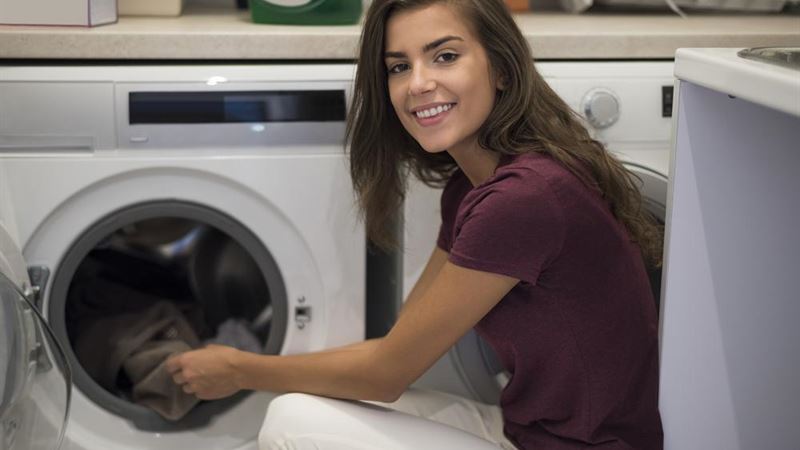
Selecting the right washing machine is an essential decision for maintaining a clean and efficient laundry routine. Proper planning and understanding of key features can significantly improve your experience and ensure that your appliance meets your household needs. From measuring the available space to understanding various wash drum capacities and door styles, this guide provides in-depth insights to help you make an informed choice. Additionally, considerations like budget, energy efficiency, special features, and the need for complementary appliances such as dryers are crucial in narrowing down your options.
When preparing to purchase a washing machine, the first step is to accurately measure the designated laundry area. Remember to allocate at least an extra inch of space on each side and at the back of the machine. This clearance allows for proper airflow, which is vital for the machine's longevity and efficient operation. For top loading models, ensure that there are no obstacles that could hinder the full opening of the lid. It's also essential to have accessible connections for both hot and cold water supplies, as well as a drainage outlet in the spot where you plan to position your new appliance.
Understanding the wash drum capacity is fundamental to selecting the right washing machine. The wash drum, also known as the tub or drum interior, is where your clothes are cleaned during each cycle. Capacity is typically measured in cubic feet, reflecting the volume of the drum. Selecting a suitable capacity is key to handling your household's laundry needs efficiently. If you have a large family or frequently wash bulky items, a larger capacity model might be ideal. Conversely, if your laundry volume is relatively small, a compact machine may suffice, saving space and energy. It's generally better to opt for a machine with a capacity that slightly exceeds your typical laundry load rather than one that falls short.
Door style is another important factor. Traditional top-loading washing machines are popular due to their ease of access—no bending needed for loading and unloading—and often come at a lower initial cost. They are considered safer for households with young children, as the lid is on top. Front-loading washers, on the other hand, often boast larger capacities, improved energy efficiency, and a modern aesthetic. They tend to use less water and perform more efficiently in the long run, but they may be pricier and require more space around the door for full opening. Reviewing user feedback can offer insights into the real-world performance of each type, aiding in making a choice that aligns with your preferences and household safety considerations.
Budgeting is a crucial step to streamline your shopping process. Establish a clear budget range before you begin browsing models. This helps prevent impulse purchases and keeps you focused on options within your financial limits. If the ideal washing machine exceeds your budget, watch for sales or discounts, which can make high-end features more affordable. Don't forget to consider the overall lifetime value—investing a bit more might lead to savings on energy and water costs over time, offsetting the initial expenditure.
Beyond basic specifications, various additional features can enhance usability and safety. For example, if you have children, look for models equipped with child lock safety features to prevent accidental operation during laundry cycles. Noise reduction capabilities are also valuable, especially if your laundry area is near bedrooms or shared living spaces. Many machines now have quieter operation modes, but real-world reviews can provide insights into actual noise and vibration levels. These factors can make laundry chores less disruptive and more convenient.
Energy efficiency is another key consideration. Washing machines consume significant electricity, impacting monthly utility bills. Check for appliances with high energy ratings, such as those labeled with the ENERGY STAR certification, indicating they meet strict energy-saving criteria. An energy-efficient washer will not only save you money but also reduce your carbon footprint.
Finally, consider whether you need a complementary appliance such as a dryer. Having both appliances allows for faster turnaround of laundry, especially useful during busy schedules or in climates with significant humidity. Some washing machines are paired with matching dryers designed to optimize performance and energy efficiency, making the entire laundry process more seamless and convenient.
In conclusion, choosing the right washing machine involves a careful balance of size, capacity, safety features, energy efficiency, and budget. By understanding your household’s specific laundry needs and evaluating each feature thoroughly, you can select an appliance that provides reliable, efficient, and safe operation for years to come. With adequate research and consideration, your laundry routine can become more efficient, cost-effective, and hassle-free.