
Comprehensive Guide to Differentiating Stock Photos from Royalty-Free Stock Images
Discover the key differences between stock photos and royalty-free images. Learn how each type works, their pricing models, licensing restrictions, and find the best platforms for sourcing high-quality visuals to enhance your projects effectively and cost-efficiently. This comprehensive guide helps you make informed decisions for your business or creative needs.
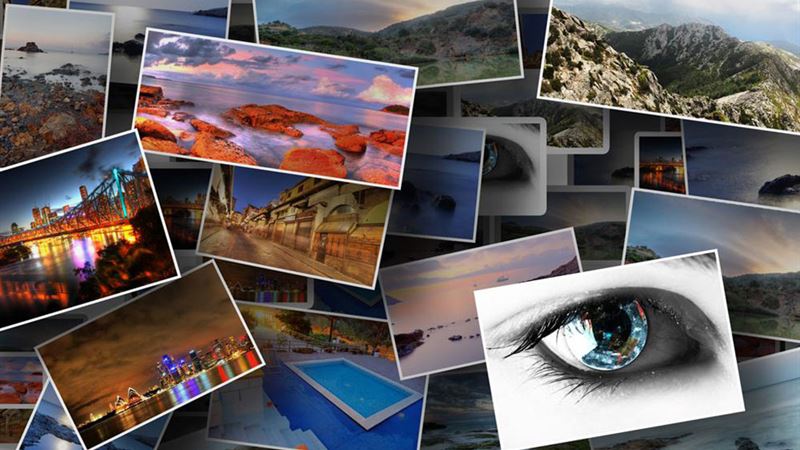
Imagine you need a stunning picture of a tropical beach to enhance your website or marketing material. Traveling to a remote island just to take a photo might seem inefficient and costly. Instead, leveraging existing images from professional photographers through online stock image platforms provides a practical and economical solution. This approach not only saves time but also significantly reduces expenses, especially when sourcing high-quality visuals. Over the years, dedicated websites and agencies have emerged, streamlining the process of buying and selling stock photographs, benefiting both creators and consumers.
These photographs can be broadly categorized into stock photos and royalty-free stock images. Understanding the distinctions between these two types is crucial for anyone seeking images for professional or personal use. This comprehensive guide aims to clarify these differences and help you make informed decisions when sourcing visual content.
- Introduction to Stock Photos
Stock photos are professional images captured by photographers and made available for licensing to the public. They serve as versatile solutions for websites, advertisements, publications, and various media projects. Typically, stock photos are priced based on their intended usage, considering factors such as where and how long the image will be in use. Unlike commissioned or custom photography, stock images offer a cost-effective alternative that provides immediate access to a vast library of high-quality visuals.
- Understanding How Stock Photos Work
When purchasing stock photos, users pay for specific licensing rights, which dictate how the image can be used. Common licensing options include rights-managed and royalty-free licenses. Rights-managed licenses limit the use of the image to predefined parameters like duration, geographic region, and media type. Every additional use or extension often incurs extra costs. For instance, if a company wants to feature an image in both online ads and print brochures, they may need to pay separately for each usage, leading to higher overall expenses.
Stock photos are typically priced according to factors such as image resolution, exclusivity, and licensing terms. Higher-resolution images intended for large-format printing or high-profile campaigns tend to be more expensive. Additionally, since stock images are sold with usage restrictions, they cannot be reused freely without acquiring additional rights, which makes them less flexible for multiple use cases.
- Royalty-Free Stock Images Explained
Royalty-free stock images have gained popularity due to their ease of use and cost-efficiency. After paying a one-time fee, users can download and utilize the image multiple times across various projects, without incurring additional royalties or charges. This licensing type simplifies the process, making it suitable for businesses and individuals who require frequent or widespread image deployment.
The core advantage of royalty-free images is their flexibility. A single payment grants the right to use the image in marketing materials, websites, presentations, and more, across multiple platforms and mediums. It’s important to note that the fee for royalty-free images usually varies depending on the image resolution and quality; higher resolution images for print purposes generally cost more.
While royalty-free licensing does not mean the image is free, it offers significant savings and convenience. You can repeatedly use the same image without worrying about licensing renewals or additional costs, making it an ideal choice for ongoing projects or large campaigns.
- Popular Platforms for Stock and Royalty-Free Photos
Numerous websites host vast libraries of stock and royalty-free images. Major platforms include Shutterstock, iStockphoto, Pexels, Bigstock, and GraphicStock, among others. Each platform offers unique features, licensing options, and price points, enabling users to find images that fit their budget and needs. These sources typically provide high-resolution images, with options for different licensing terms to accommodate diverse commercial and personal requirements.
In addition to traditional stock photo sites, some platforms specialize exclusively in royalty-free images, providing flexible licenses suitable for branding, advertising, and content creation without the worry of additional costs. Many of these platforms also offer subscription plans that grant unlimited or bulk downloads at discounted rates, further enhancing cost-efficiency.
- Choosing Between Stock Photos and Royalty-Free Images
The choice between stock photos and royalty-free images hinges on your specific needs, usage frequency, and budget constraints. Stock photos with rights-managed licenses might be more appropriate for one-time campaigns or highly exclusive projects, where licensing restrictions are acceptable. Conversely, royalty-free images are better suited for businesses or creators seeking large volumes of visuals without continuous licensing negotiations.
Understanding licensing terms, image quality, and pricing models is essential before making a purchase. Always ensure that the platform you choose provides clear licensing agreements to prevent future legal issues. Many websites also offer previews and licensing guides to help users select the most appropriate images for their intended purpose.
- Conclusion and Final Thoughts
In summary, both stock photos and royalty-free images serve vital roles in digital content creation. While stock photos are generally more restrictive and price-sensitive based on usage, royalty-free images provide a flexible, cost-effective solution for recurrent and diverse uses. By understanding these differences, businesses, marketers, and creators can make smarter purchasing decisions, ensuring their visuals align with project requirements and budget constraints.
Leveraging the right type of imagery not only enhances visual appeal but also strengthens brand messaging and audience engagement. With the growing availability of online platforms offering extensive image libraries, sourcing high-quality visuals has never been easier or more affordable. Make sure to evaluate your specific needs carefully, choose reliable sources, and always adhere to licensing agreements to maximize the benefits of stock and royalty-free photography.