
Comprehensive Guide to the Expenses Involved in Heat Pump Installation
This comprehensive guide explores the detailed costs involved in installing heat pumps, including system types, installation complexities, and factors influencing expenses. It emphasizes the importance of consulting multiple vendors, understanding different heat pump options, and leveraging tax incentives. Homeowners can make informed decisions to optimize their investment in energy-efficient heating solutions, ensuring long-term savings and environmental benefits. This expanded overview serves as an essential resource for anyone considering heat pump installation, highlighting key considerations, potential savings, and expert tips.
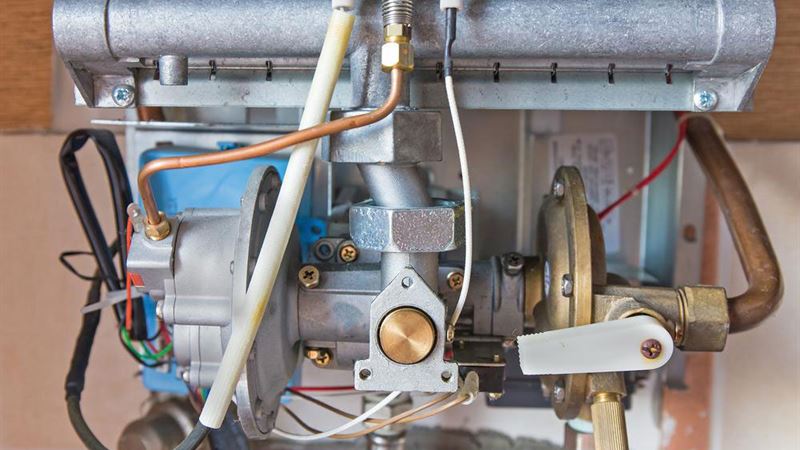
When planning to install a heat pump, the first step is to identify the primary cost determinants. These include the type of heat pump selected, the complexity of the installation process, and the associated labor and material expenses. Consulting multiple reputable service providers is advisable to find competitive pricing and reliable service. The variation in costs often stems from the installation method chosen—whether it involves drilling or excavation, or alternative installation techniques.
For homeowners, breaking down the cost factors can help make informed decisions. Here are the most influential elements that determine the overall expenses:
- Type of Heat Pump: The most common types include air-source and ground-source (geothermal) heat pumps. Each system type has distinct advantages, cost ranges, and installation requirements. Selecting the right model involves considering brand, size, capacity, and efficiency ratings, which directly impact the price.
- Installation Complexity: The scope of work includes preparing the site, installing necessary infrastructure, and ensuring integration with existing systems. Factors such as excavation, drilling, and site cleanup can significantly influence labor costs. For example, installing a geothermal heat pump usually requires underground drilling, which can be more expensive than air-source units.
- Materials and Supplies: Essential components such as pipes, fittings, hardware, and insulation are necessary to complete the system. Ground-source heat pump installations often utilize more materials, raising the overall costs. The quality and brand of these supplies also play a role in the final expense.
- Additional Expenses: Special tools and equipment, including pipe cutters, brazing kits, and safety gear, can impose extra charges. Some projects need specialized labor, which can further escalate costs depending on the complexity of the work involved.
Understanding these factors allows homeowners to budget appropriately and choose the most suitable system for their needs. It's also wise to consider the long-term benefits, such as energy efficiency and potential savings on utility bills, which can outweigh upfront costs over time.
Tax credits and rebates play a pivotal role in reducing the overall cost burden. Many governments and local agencies offer incentives for installing energy-efficient heating systems, including heat pumps. These financial benefits can significantly offset installation expenses and accelerate the return on investment. Checking eligibility and application procedures beforehand can ensure homeowners maximize available subsidies.
In conclusion, installing a heat pump requires careful planning, investment, and an understanding of the various cost components involved. Working with experienced providers, evaluating different system options, and taking advantage of financial incentives can make the process smoother and more economical. Whether your goal is to lower energy bills, reduce your carbon footprint, or increase household comfort, a well-chosen heat pump system can be a smart and sustainable addition to any property.