This comprehensive guide explores various rural residential options including single-family homes, townhouses, condominiums, land ownership, and prefabricated homes. It highlights the unique features, benefits, and responsibilities associated with each type, helping prospective homeowners make informed decisions suited to their lifestyle and budget. Learn about construction methods, maintenance costs, privacy factors, and the advantages of land ownership to better understand your options for rural living.
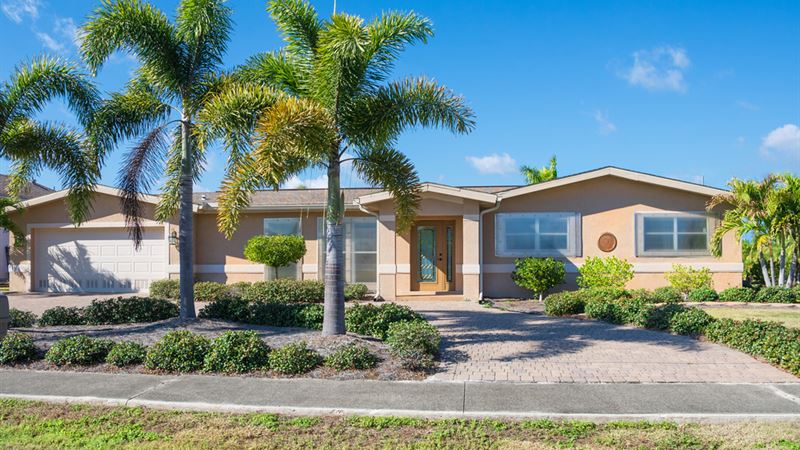
Single-family homes in rural areas are designed to offer ample space, privacy, and autonomy for homeowners. These residences are ideal for those seeking a peaceful environment away from congested city life, providing a unique blend of comfort and independence. Such homes typically feature sizeable front and backyards, allowing residents to personalize their outdoor spaces for gardening, recreation, or relaxation. The architectural design of rural single-family homes is highly customizable, giving owners the flexibility to create layouts that meet their specific needs and aesthetic preferences. Owning a detached home in the countryside often translates to higher resale value compared to townhomes or condos, especially due to the increasing demand for suburban and rural properties. However, this comes with a responsibility: homeowners are accountable for all aspects of property upkeep, from landscaping to repairs, which can be costly but ensures the property remains in excellent condition. These homes are commonly referred to as detached houses, emphasizing their standalone nature that provides unmatched privacy. Financial responsibilities such as utility bills—water, electricity, gas, telephone, and cable—are borne entirely by the homeowner. Unlike condominiums or townhomes where shared amenities reduce individual costs, rural homeowners manage all expenses independently. Maintenance tasks like lawn care, roof repairs, plumbing, and electrical work fall under the homeowner's purview, requiring a proactive approach and sometimes professional services to maintain property value and functionality. In contrast, townhouses and condominiums operate on a shared-cost basis for common areas and amenities. For example, condo associations and homeowners' associations (HOAs) collect fees for shared services such as landscaping, communal repairs, security, and recreational facilities. These arrangements often make such properties more appealing for those who prefer minimal maintenance responsibilities. When considering the benefits of condominiums, it’s important to note that they are part of extensive communities where individual units typically share walls with neighboring units. These are primarily found in metropolitan areas or densely populated regions with numerous amenities nearby. Condo owners pay periodic dues to HOA, which cover maintenance, repairs of shared infrastructure, and amenities like pools, gyms, lounges, and recreation centers. This setup reduces personal maintenance efforts and costs, as the association handles most upkeep tasks. However, condo living comes with certain restrictions. HOA rules often regulate interior remodeling, pet ownership, and rental policies to maintain uniformity and safety. While condo residents enjoy access to facilities that might be unaffordable individually—such as swimming pools, fitness centers, and clubhouses—the trade-off is reduced privacy and the fact that they do not own the land underneath their units. Townhouses serve as a middle ground, offering more space and privacy than condominiums but at a lower cost than standalone single-family homes. These attached residences often feature multiple floors, with shared walls with neighboring units, small yards, and sometimes rooftop decks. Typically part of a row of similar houses, townhouses strike a balance between affordability, community living, and personal space. Townhouses tend to be larger than condominiums but smaller than detached houses, providing a practical option for families seeking more privacy without the full responsibilities of managing an entire property. Maintenance costs may be shared through homeowner agreements, which can include expenses for yard work, repairs, or exterior upkeep. Interior rooms are usually compact, and some units may have neighbors above or below, impacting noise levels and privacy. One of the significant advantages of townhouses is their affordability compared to single-family homes, making them a popular choice for first-time buyers or those looking to upgrade from apartment living. However, they typically lack large communal facilities like pools or gyms, which are more common in larger residential developments or standalone homes. Owning land outright represents the ultimate form of property ownership, granting the owner complete control over the space. Land ownership provides the flexibility to construct homes, barns, or other structures tailored precisely to individual preferences and needs. It is ideal for agricultural pursuits, livestock, or establishing private retreats. Proper planning is crucial before development; this includes assessing utilities like gas, electricity, water, and sewage, as well as securing permits and adhering to zoning regulations. Building on land allows for diverse construction options, ranging from simple single-family homes to multi-unit dwellings. Each project requires detailed planning, including feasibility studies, design approval, and compliance with local building codes. Privacy considerations, such as separate entrances and subdivision of space, become important when constructing multiple units or independent homes on a single plot of land. Understanding the differences between manufactured and prefabricated modular homes is essential for prospective homeowners. Manufactured homes are built entirely in a factory, then transported to the site ready for occupancy. They are often a cost-effective and quick solution, suitable for those seeking mobility or temporary housing. These homes range from compact trailers to larger, more permanent structures, and can be relocated if necessary. Prefabricated modular homes differ in that they are constructed in sections or modules off-site, then assembled on a permanent foundation at the intended location. This method ensures precision manufacturing and higher quality control. Modular homes are customizable and often resemble traditional stick-built houses regarding design and durability. They require permits and adhere to local building codes, similar to site-built homes, but benefit from reduced construction time. Both types of homes offer flexibility and efficiency but are suited to different lifestyles and financial considerations. Manufactured homes are generally less expensive and offer mobility, while modular homes provide a more permanent solution with higher customization options. 