
Comprehensive Guide to Different Types of Seating Arrangements for Various Spaces
This comprehensive guide explores various seating options suitable for different environments, including loungers, office chairs, restaurant seats, and bar stools. It emphasizes the importance of ergonomic design, comfort, and style, providing valuable insights for selecting the perfect seating arrangements to enhance every space's ambiance and functionality. Whether designing a home, office, or commercial space, understanding these options ensures ideal comfort and aesthetic appeal.
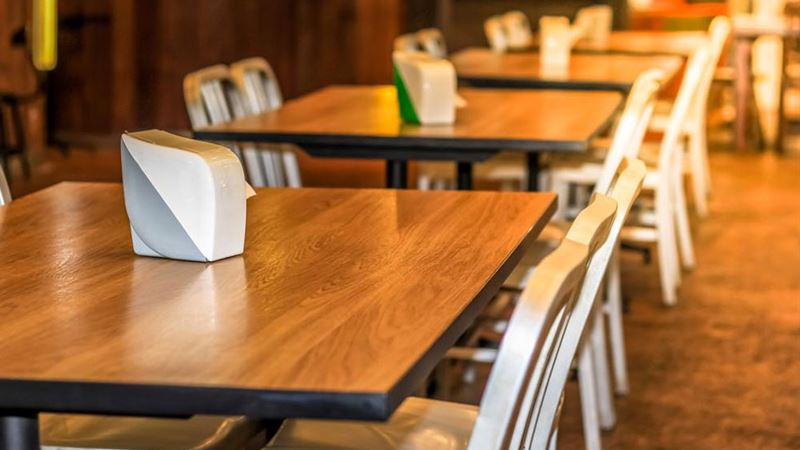
Choosing the right seating arrangement is crucial for creating functional, comfortable, and aesthetically pleasing spaces. Whether you're decorating a living room, designing an office, setting up a restaurant, or outfitting a bar area, understanding the various types of chairs and seating options can help you make informed decisions that suit your specific needs. The purpose behind each type of seating, along with the environment and decor themes, should guide your selection process. This extensive guide explores different types of chairs, their features, and ideal applications across various settings.
Loungers:
Lounge chairs are versatile low-seating options, often crafted for relaxation and style. These chairs are designed with comfort as a key element, frequently featuring reclining mechanisms that allow users to adjust their sitting positions. Reclining loungers are typically upholstered in leather, fabric, or other soft materials that provide a luxurious feel. They are ideal for living rooms, outdoor patios, or leisure areas where relaxation is the primary goal.
When selecting a lounge chair, it is essential to test its comfort level and stability beforehand. Ensure it supports proper posture and can withstand regular use. Because loungers are meant for unwinding, their ergonomic design enhances comfort, enabling users to lounge for extended periods without discomfort.
Lounge chairs are versatile low-seating options, often crafted for relaxation and style. These chairs are designed with comfort as a key element, frequently featuring reclining mechanisms that allow users to adjust their sitting positions. Reclining loungers are typically upholstered in leather, fabric, or other soft materials that provide a luxurious feel. They are ideal for living rooms, outdoor patios, or leisure areas where relaxation is the primary goal.
When selecting a lounge chair, it is essential to test its comfort level and stability beforehand. Ensure it supports proper posture and can withstand regular use. Because loungers are meant for unwinding, their ergonomic design enhances comfort, enabling users to lounge for extended periods without discomfort.
Study and Office Chairs:
Office or study tables require specialized chairs designed for prolonged sitting periods. The most common choice is a swivel chair with an ergonomic framework that prioritizes spinal support and overall comfort. These chairs often feature adjustable height, tilt mechanism, lumbar support, and mobile casters for ease of movement. Designed to promote good posture, ergonomic chairs help prevent issues such as lower back pain, neck strain, and fatigue.
Those working long hours at desks or study tables should invest in high-quality ergonomic chairs that conform to their body contours. Proper seating can significantly improve productivity and reduce the risk of musculoskeletal problems.
Office or study tables require specialized chairs designed for prolonged sitting periods. The most common choice is a swivel chair with an ergonomic framework that prioritizes spinal support and overall comfort. These chairs often feature adjustable height, tilt mechanism, lumbar support, and mobile casters for ease of movement. Designed to promote good posture, ergonomic chairs help prevent issues such as lower back pain, neck strain, and fatigue.
Those working long hours at desks or study tables should invest in high-quality ergonomic chairs that conform to their body contours. Proper seating can significantly improve productivity and reduce the risk of musculoskeletal problems.
Restaurant Chairs:
Dining chairs are crafted to blend comfort with style, complementing the restaurant's theme and ambiance. Typically, these chairs have a slightly inclined backrest to support the spine comfortably. The structure should be durable and sturdy to endure constant use. Upholstered models provide additional comfort and are common in upscale dining environments, where aesthetics play a pivotal role. For a formal setting, padded chairs with plush fabrics or leather upholstery are preferred, enhancing the dining experience.
For casual eateries or cafes, simpler options like wooden or metal-frame chairs, along with benches, are suitable. Folding chairs or lightweight models are ideal for flexible seating arrangements. The choice depends on the space’s ambiance and practical requirements.
Dining chairs are crafted to blend comfort with style, complementing the restaurant's theme and ambiance. Typically, these chairs have a slightly inclined backrest to support the spine comfortably. The structure should be durable and sturdy to endure constant use. Upholstered models provide additional comfort and are common in upscale dining environments, where aesthetics play a pivotal role. For a formal setting, padded chairs with plush fabrics or leather upholstery are preferred, enhancing the dining experience.
For casual eateries or cafes, simpler options like wooden or metal-frame chairs, along with benches, are suitable. Folding chairs or lightweight models are ideal for flexible seating arrangements. The choice depends on the space’s ambiance and practical requirements.
Bar and Tall Seating:
Bar stools and tall chairs are designed to elevate comfort and style in bars, breakfast nooks, or home counters. These high chairs come in various designs, from classic wooden styles to modern minimalist frames. They often feature footrests for added support and comfort, especially during extended sitting periods.
Bar stools are versatile and can be used for casual dining, social gatherings, or even as decorative statement pieces. In home settings, they serve functional purposes when working at high surfaces or dealing with projects that require elevation.
Selecting the right high seating involves considering height, durability, and the overall design to ensure it complements the space while providing a comfortable experience.
Bar stools and tall chairs are designed to elevate comfort and style in bars, breakfast nooks, or home counters. These high chairs come in various designs, from classic wooden styles to modern minimalist frames. They often feature footrests for added support and comfort, especially during extended sitting periods.
Bar stools are versatile and can be used for casual dining, social gatherings, or even as decorative statement pieces. In home settings, they serve functional purposes when working at high surfaces or dealing with projects that require elevation.
Selecting the right high seating involves considering height, durability, and the overall design to ensure it complements the space while providing a comfortable experience.
In summary, the choice of seating depends heavily on the specific application, desired comfort level, aesthetic compatibility, and durability requirements. Recognizing the distinct features of each seat type helps in creating spaces that are both practical and inviting. From lounging in living areas to professional office setups, dining environments, and entertainment zones, selecting appropriate chairs enhances functionality and enhances the overall ambiance of the space.