
Comprehensive Guide to Managing Colitis Naturally at Home Through Lifestyle Adjustments
This comprehensive guide provides effective natural strategies for managing colitis at home. It highlights lifestyle changes, dietary tips, and natural remedies to alleviate symptoms, promote healing, and improve quality of life. Consistency and medical guidance remain essential for successful management of this inflammation of the colon.
Understanding Types of Colitis
Colitis refers to inflammation of the colon, with several distinct forms affecting different groups of people. Ulcerative colitis predominantly affects young adults between 15 to 30 years and seniors aged 60 to 80. It's believed that genetic predispositions play a role in its development. Pseudomembranous colitis is often linked to prolonged antibiotic use, hospitalizations, or chemotherapy treatments. Ischemic colitis tends to occur in individuals over 50, especially those with underlying heart conditions or who've undergone abdominal surgeries. Recognizing these variations is essential for accurate diagnosis and effective management.
While each type of colitis presents its unique challenges, all forms can cause significant discomfort and require proper care to prevent complications.
Recognizing the Symptoms of Colitis
Early detection of colitis hinges on understanding its common signs and symptoms. Being aware of these indicators allows timely intervention, which is crucial for preventing disease progression and complications.
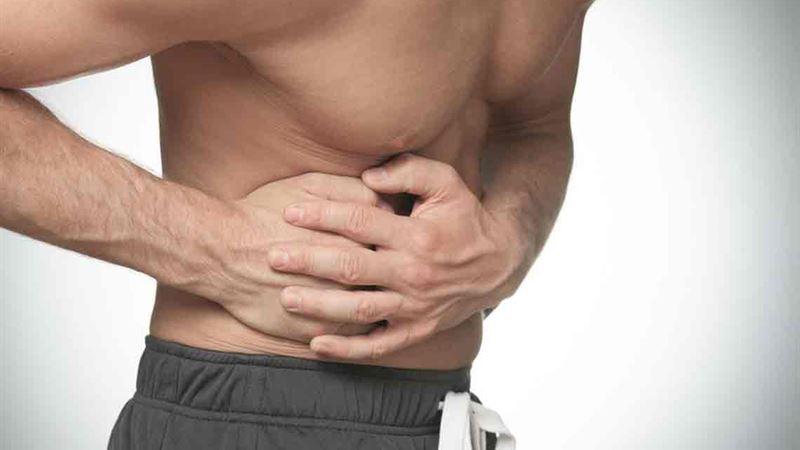
- Abdominal Cramps: Sudden, intense cramps may appear anywhere in the abdomen, signaling inflammation or irritation in the large intestine. These cramps can vary from mild discomfort to severe pain.
- Persistent Abdominal Pain: Continuous or intermittent pain in the stomach area is a hallmark symptom. Anyone experiencing ongoing abdominal discomfort should consider medical consultation.
- Abdominal Bloating: Swelling resulting from gas buildup or inflammation can cause a distended stomach, often accompanied by discomfort.
- Unexplained Weight Loss: Significant loss of weight without any obvious reason such as dieting or exercise may indicate intestinal inflammation or malabsorption.
- Frequent Diarrhea: Persistent diarrhea, sometimes tinged with blood, is common in colitis, often leading to dehydration and electrolyte imbalance.
- Irregular Bowel Movements: Abnormal stool patterns, including bloody stools, are typical symptoms, especially in ulcerative colitis cases.
- Urgent Need for Bowel Movements: An uncontrollable urge to defecate frequently can disrupt daily routines and interfere with normal life.
- Fever and Nausea: Sudden spike in body temperature and episodes of vomiting may also occur, indicating active inflammation or infection.
Diagnosing Colitis Effectively
Accurate diagnosis is crucial before initiating any treatment plan. Medical professionals employ various diagnostic tools to identify colitis and discern its type:
- Colonoscopy: A detailed examination of the colon using a flexible tube with a camera helps visualize inflammation, ulcers, or other abnormalities.
- Sigmoidoscopy: Similar to colonoscopy but focused on the lower part of the colon, providing targeted insights.
- Imaging Techniques: MRI scans, ultrasound (USG), and X-rays like Barium Enema are valuable for assessing the extent and severity of inflammation.
- Laboratory Tests: Blood work and stool analyses help detect infection, inflammation markers, or bleeding issues.
Effective Home Care Strategies for Colitis Management
While pharmaceutical therapies are often necessary, adopting certain lifestyle changes and home remedies can significantly influence disease progression and symptom control. Important steps include dietary adjustments, lifestyle modifications, and stress management techniques.
Dietary Changes for Relief
- Restrict or Limit Certain Foods: Identifying and avoiding aggravating foods can lessen inflammation and symptoms.
- Reduce Dairy Products: Lactose intolerance is common in those with colitis; limiting milk, cheese, and other dairy items can reduce abdominal discomfort.
- Opt for Low-Fat Aliment: Choosing foods with low-fat content such as vegetables, fruits, lean meats, and grains helps ease digestive load.
- Minimize High-Fiber Foods: Foods like nuts, seeds, whole grains, broccoli, and cabbages can irritate the colon during flare-ups, so intake should be moderated.
- Avoid Fried and Greasy Foods: Foods rich in oils and fats can exacerbate inflammation and should be consumed sparingly.
Optimizing Eating Habits
- Stay Hydrated: Drink plenty of water, herbal teas, and broths to facilitate smoother bowel movements and prevent dehydration.
- Frequent Small Meals: Instead of large heavy meals, opt for small, easily digestible portions throughout the day—aim for 6-7 meals daily.
- Avoid Caffeinated and Alcoholic Drinks: These can irritate the gut lining and worsen symptoms.
Lifestyle Habits Beneficial for Colitis Management
- Regular Physical Activity: Incorporate gentle exercises like walking, yoga, or stretching to improve digestion and reduce stress.
- Stress Reduction Techniques: Stress can aggravate inflammation; practices like meditation, deep breathing, and mindful relaxation can be immensely beneficial.
- Sleep Hygiene: Ensure adequate, restful sleep to support immune health and tissue repair.
- Avoid Smoking and Alcohol: Both can worsen inflammation and compromise overall gut health.
Natural Remedies Supporting Colitis Recovery
In addition to dietary and lifestyle changes, several natural remedies may aid in managing colitis symptoms and promoting healing:
- Aloe Vera Juice: Known for its soothing properties, aloe vera can reduce inflammation in the colon.
- Turmeric: Its active compound curcumin has anti-inflammatory effects and may help control disease activity.
- Probiotics: Supplementing with probiotics supports healthy gut bacteria balance, improving intestinal health.
- Peppermint Tea: Acts as a natural relaxant for intestinal muscles, easing cramps and bloating.
Importance of Consistency and Monitoring
Successful management of colitis through home measures requires consistency, discipline, and regular monitoring. Keep a symptom diary, noting food intake, bowel habits, and flare-up triggers. Regular communication with healthcare providers ensures personalized adjustments and prevents unnecessary complications.
Conclusion
Although colitis can be a debilitating condition, many affected individuals find relief through dedicated lifestyle and dietary modifications. Natural home remedies, stress management, and a healthy routine can significantly alleviate symptoms and potentially reverse inflammation. Remember, early diagnosis, ongoing lifestyle adjustments, and medical consultation are key to managing colitis effectively and maintaining a good quality of life.