
Comprehensive Guide to Treadmills: Benefits, Types, and Buying Tips
Explore the ultimate guide to treadmills, including their history, key features to consider before buying, benefits, drawbacks, and the various types available. Learn how to select the best treadmill for your home gym to enhance your fitness routine effectively. With detailed insights, tips, and expert advice, this article helps you make informed decisions for a healthier lifestyle.
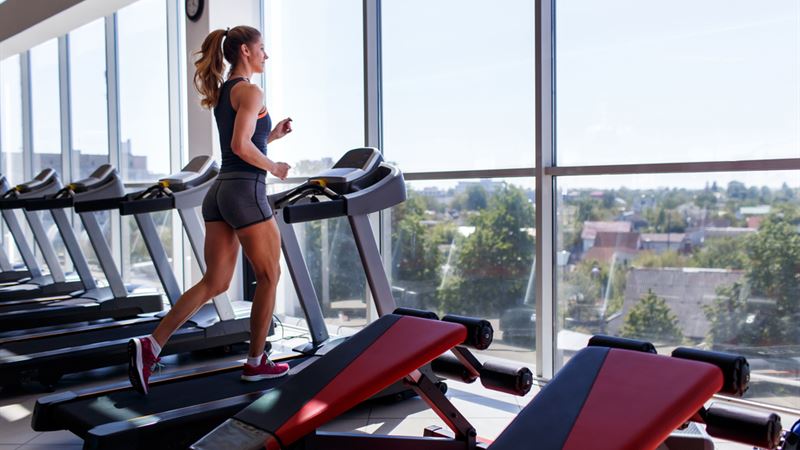
Essential Factors When Selecting a Treadmill for Your Home Gym
Investing in a treadmill is a significant decision, often involving a considerable financial commitment. To make an informed choice, it's crucial to evaluate various features and assess whether a specific model fits your personal fitness needs and home environment. Here are some comprehensive considerations:
- Motor Power and Performance: The heart of any treadmill is its motor. Models with higher horsepower deliver smoother operation, greater durability, quieter functioning, and the ability to handle more intensive workouts. Typically, motor power ranges from 1.5 to 3.0 HP, with more powerful motors offering better performance for serious athletes and frequent use.
- Running Surface Dimensions: Adequate space is essential to prevent accidents and ensure comfort. Look for a treadmill with a belt length of at least 55 inches and a width of 20 inches, especially if you are taller or plan to run at higher speeds. The surface should accommodate natural strides without feeling confined.
- Cushioning and Shock Absorption: The impact on joints is a critical consideration. Effective cushioning should absorb shock without feeling overly bouncy, providing a stable and comfortable running experience. Quality cushioning can help reduce the risk of joint pain and injury over time.
- User-Friendly Control Panel: An intuitive interface allows easy programming, monitoring, and adjustments during workouts. Features such as quick access buttons, clear display screens, and simple navigation enhance overall usability, especially for beginners.
- Noise Level and Motor Quality: Consider the noise produced during operation, especially if you live in a shared space or apartment. Opt for models with quieter motors to avoid disturbing others. Additionally, verify the build quality and stability, including features like handrails for safety and support during exercise.
Advantages and Benefits of Using a Treadmill at Home
- Ease of Operation: Treadmills are straightforward to use, making them accessible for users of all fitness levels. Their simple structure and controls facilitate hassle-free workouts at home.
- Safe and Predictable Surface: The consistent, flat running surface reduces the risk of tripping or falling, especially for those new to jogging or running. Many models mimic outdoor terrain, providing a familiar experience.
- Workout Customization: Users can control various settings such as speed, incline, warm-up, and cool-down periods. This flexibility allows for tailored programs aligning with individual fitness goals.
- Multiple User Compatibility: Most treadmills can accommodate several users without structural modifications, making them suitable for families or shared living spaces.
- Fitness Tracking Features: Advanced models include heart rate monitors, calorie counters, step trackers, and other tech integrations to monitor progress and motivate continued exercise.
- Efficient Calorie Burn: Running on a treadmill generally burns calories faster compared to other home exercise equipment, aiding in weight loss and cardiovascular health.
- Multitasking During Workouts: The design allows users to engage in other activities, such as watching TV, listening to music, or reading, making workouts more enjoyable and less monotonous.
- Effective for Weight Management: Many users report significant calorie loss and improved fitness levels by incorporating treadmill running into their routines, often exceeding results from other home workout options.
Potential Drawbacks of Treadmills
- High Initial Cost: Premium models can cost over $2,000, making treadmills a relatively expensive home exercise investment. Budget-friendly options are available but may compromise features or durability.
- Impact on Joints: Although cushioning helps, improper setup or excessive use can lead to joint stress, particularly in hips, knees, ankles, and lower back. Proper form and appropriate shock absorption are essential.
- Space Requirements: A typical treadmill requires a footprint of approximately 36 inches in width and 72 inches in length, which may be challenging for small spaces.
- Maintenance Needs: Treadmills with electrical components require regular upkeep, including lubrication, calibration, and occasional repairs, often necessitating professional servicing.
- Noise Levels: Some models have noisier motors that can interfere with household noise levels, especially in multi-room environments.
- Repetitive Nature and Boredom: Exercise routines on treadmills can become monotonous, limited mainly to walking, jogging, or running. Variations and additional activities are often needed to stay motivated.
Types of Treadmills Explained
- Manual Treadmills: These models operate without electricity, relying solely on user movement to power the belt. They are usually more affordable and lightweight but may lack the advanced features of motorized versions.
- Motorized Treadmills: The most common type, featuring an electric motor that drives the belt. They offer adjustable speeds, incline levels, and additional features suitable for diverse workout routines.
- Hybrid Treadmills: Combining features of elliptical trainers and traditional treadmills, hybrid models provide versatile workouts, including walking, running, and low-impact elliptical movements. They are ideal for users seeking variety and joint-friendly options.