
Ultimate Guide to Delicious Salmon Recipes and Varieties to Explore
Explore a comprehensive guide to preparing various types of salmon, including wild and farmed options. Discover step-by-step recipes for baked and smoked salmon, learn about different salmon varieties, and uncover fun facts about this nutritious fish. Perfect for seafood enthusiasts and home chefs, this article provides tips for selecting, preparing, and enjoying salmon in diverse culinary styles to elevate your seafood experience.
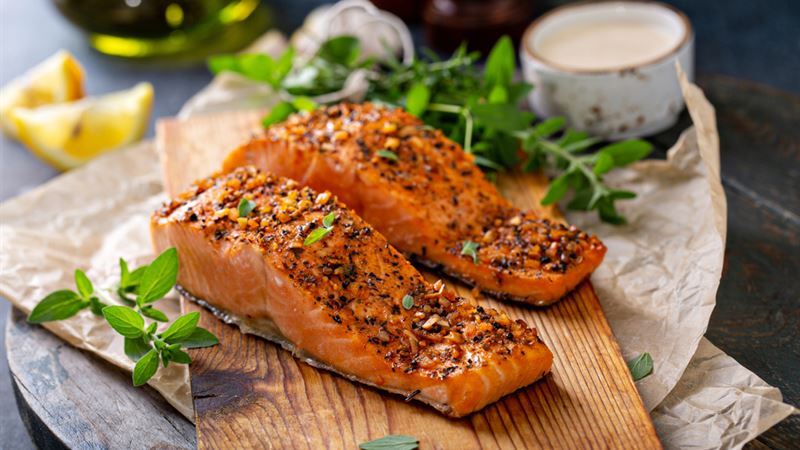
Salmon is a versatile and nutritious seafood choice that can be prepared in numerous ways to suit different tastes and occasions. When selecting salmon, opt for wild-caught varieties whenever possible, as they tend to offer superior flavor, higher nutritional value, and a better overall quality compared to farmed options. Wild salmon, however, is often more expensive, so some may choose farm-raised salmon as a more economical alternative, though it may differ in taste and nutritional profile. Understanding the different types of wild salmon can help you make the best choice for your culinary projects. The three main types of wild salmon include King, Coho, and Sockeye, each with distinct characteristics that influence flavor, texture, and appearance.
King salmon, also known as Chinook, is prized for its high fat content, which lends it a luxurious, rich flavor and a melt-in-the-mouth texture. It is the largest among salmon species, making it ideal for grilling, baking, or pan-searing. Coho salmon, or Silver salmon, has a more delicate texture and a slightly milder flavor compared to king salmon. It tends to be smaller and is often used in baking, broiling, or poaching, offering a lighter option for those who prefer less fatty fish. Sockeye salmon, also called Red salmon, is characterized by its vibrant red flesh and strong flavor. It is leaner than king and coho but remains incredibly flavorful, making it a favorite for smoking, grilling, and preparing sashimi.
Chum salmon, known for its roe (eggs), is usually less popular for direct consumption but is highly valued for its caviar, which is prized in culinary circles. Recognizing the unique features of each type can help you select the perfect salmon for your intended dish and enjoy a variety of flavors and textures that this incredible fish offers.
- Mastering Baked Salmon - A Step-by-Step Guide
Preparing baked salmon is one of the simplest and most effective methods to enjoy this nutritious fish. With minimal ingredients and straightforward techniques, you can craft a delicious, oven-baked salmon dish that is perfect for both weeknight dinners and special occasions. To ensure success, start by selecting fresh salmon fillets. Look for pieces that have a vibrant pink hue, appear moist, and have a firm texture. If purchasing frozen, choose vacuum-sealed fillets without signs of freezer burn. Properly handling and storing the fish before cooking is crucial to maintain its quality.
For a healthy and flavorful dish, olive oil is the preferred fat, but you can also substitute with butter or ghee based on your taste preferences. Freshly cracked black pepper adds a touch of spice, but always taste before applying additional seasoning. Minced garlic is a flavor enhancer that pairs seamlessly with salmon, imparting a fragrant aroma and depth to your dish. To enhance the overall flavor profile, incorporate Italian herb seasoning, which can be bought from stores or made at home by blending herbs such as basil, oregano, thyme, and rosemary. A medium-sized lemon adds brightness to the dish, and more lemon juice can be added if a tangy flavor is desired.
Once you have your ingredients ready, follow these steps for a perfect baked salmon:
- Preheat your oven to 400°F (200°C). Lightly grease a baking sheet with non-stick spray or a thin layer of oil. Place the salmon fillets on the prepared sheet, ensuring they are spaced evenly. Season generously with salt and pepper.
- In a small pan, sauté minced garlic and your chosen herbs in olive oil until fragrant. Pour this mixture over the salmon, ensuring an even coating on all sides. Squeeze fresh lemon juice over the fillets, and arrange thin lemon slices on top of each piece for additional flavor and presentation.
- Bake in the preheated oven for 12-15 minutes. The fish should be opaque and easily flake with a fork. For added crispness, broil the salmon for an extra one or two minutes, keeping a close eye to prevent burning.
- Remove from the oven and garnish with fresh herbs like parsley or thyme if desired. Serve immediately, accompanied by your favorite sides like roasted vegetables, rice, or a crisp salad for a well-balanced meal.
Smoked Salmon: Effortless Preparation and Tips
Smoked salmon is a delicacy that adds a smoky aroma and rich flavor to various dishes. Preparing your own smoked salmon at home is surprisingly simple, requiring minimal ingredients and equipment. The key to excellent smoked salmon lies in proper curing and smoking techniques to enhance flavor and texture.
To make smoked salmon, you'll need a handful of ingredients: a fresh salmon fillet (about two pounds), brown sugar, salt, pepper, liquid smoke, and optional accompaniments like capers or lemon slices. Begin by placing the salmon, skin-side down, in a baking dish coated lightly with oil. Mix the brown sugar, salt, pepper, and a small amount of liquid smoke, then sprinkle evenly over the fish. Cover and refrigerate for 4-8 hours to allow the curing process to develop depth and flavor.
After curing, drain any excess liquid and bake the salmon uncovered at 350°F (175°C) for 35-45 minutes until flaky. Let it cool to room temperature, then refrigerate for at least 8 hours to allow the flavors to meld. Serve your smoked salmon with capers, lemon slices, or atop a bagel with cream cheese for a classic presentation. Smoked salmon can be kept refrigerated for several days and makes an excellent addition to salads, appetizers, or breakfast dishes.
Fun facts about salmon reveal intriguing aspects of this remarkable fish. The term "salmon" traces back to the Latin "salmo," and the species has a long history of culinary and commercial significance. In 1840, New England became one of the first regions to can salmon, introducing it to wider markets. By 1964, California was a major supplier, supplying canned salmon across the United States. Today, over 9,000 salmon species are recognized, each contributing to the rich biodiversity and culinary appeal of this aquatic treasure.