This comprehensive guide explores the intricacies of the gold spot price, illustrating how it is determined, what influences its fluctuations, and how investors can utilize real-time data for informed trading. It covers key aspects such as market influences, the role of COMEX, dealer margins, and the importance of understanding premiums over spot prices. Whether you're a seasoned investor or a newcomer, this article offers valuable insights into gold pricing mechanisms and market strategies.
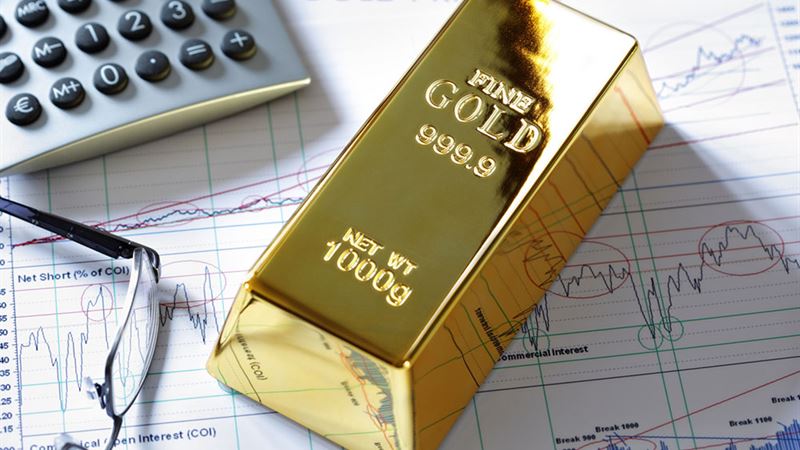
Gold is one of the most enduring and valuable precious metals, highly sought after by investors, jewelers, and central banks worldwide. Its price fluctuates constantly throughout the trading day, influenced by a complex web of economic, political, and geopolitical factors. The current spot price of gold represents the amount it costs to purchase one ounce of gold for immediate delivery. This live figure is updated continuously during market hours, providing investors with real-time data essential for making informed trading decisions.
The spot price of gold is typically expressed in U.S. dollars per troy ounce, but it can also be quoted per gram or kilogram, depending on regional preferences and trading contexts. Unlike the fixed price of gold in jewelry or coins, the spot price reflects the instantaneous market valuation of gold available for immediate exchange. This price serves as a benchmark for various financial instruments, including futures contracts, ETFs, and physical bullion trading.
Gold trading takes place predominantly on international exchanges, with the COMEX (Commodity Exchange) in New York playing a central role in determining the daily global spot price. The process by which gold prices are set involves futures contracts—agreements to buy or sell gold at a predetermined price for delivery at a future date. The current spot price aligns with the settled price of these contracts, representing the market’s consensus on gold’s current value.
It’s important to note that the spot gold price does not include additional costs such as dealer margins or premiums. Dealers add their markup to this base price to cover costs and secure profit. Consequently, the price at which gold is bought by the dealer may be below the spot price, while the selling price to consumers is typically above it. This spread ensures that dealers can operate profitably while providing liquidity and accessibility to buyers and sellers across the globe.
The factors influencing gold's spot price are multifaceted. Currency movements, particularly fluctuations in the US dollar, significantly impact gold prices since gold is globally priced in dollars. When the dollar weakens, gold becomes cheaper for holders of other currencies, often leading to price increases. Conversely, a strong dollar tends to put downward pressure on gold prices.
Market sentiment, economic data releases, inflation expectations, and geopolitical tensions also play crucial roles in driving short-term and long-term price movements. For example, during periods of economic uncertainty or political instability, gold is often seen as a safe haven asset, which can cause its price to surge.
Investors and traders leverage various tools and platforms to monitor the live spot price of gold. Many financial websites, brokerage platforms, and mobile apps provide real-time gold quotes, enabling quick decision-making. Understanding the current spot price helps investors identify the best entry and exit points, assess market trends, and develop sound investment strategies.
In addition to tracking spot prices, traders pay attention to the premium over spot that dealers charge to account for logistical costs, storage, and profit margin. These premiums can vary based on market conditions, physical supply and demand, and regional factors. Recognizing these variations helps investors compare prices effectively across different sources and regions.
In summary, the spot price of gold is a vital indicator of gold’s current market value, reflecting real-time trading activity and influenced by multiple economic and geopolitical factors. Whether you are a seasoned investor, jewelry maker, or casual trader, understanding how the spot price is determined and what impacts it is essential for making informed and strategic decisions in the precious metals market.
