
Understanding the Critical Role of A1C Levels in Blood Sugar Management
Discover the vital importance of A1C levels in blood sugar regulation. This comprehensive guide explains how monitoring A1C helps manage diabetes effectively, reduces health risks, and improves quality of life. Learn about the test’s convenience, accuracy, and role in long-term health planning, empowering individuals to take control of their health through informed decision-making.
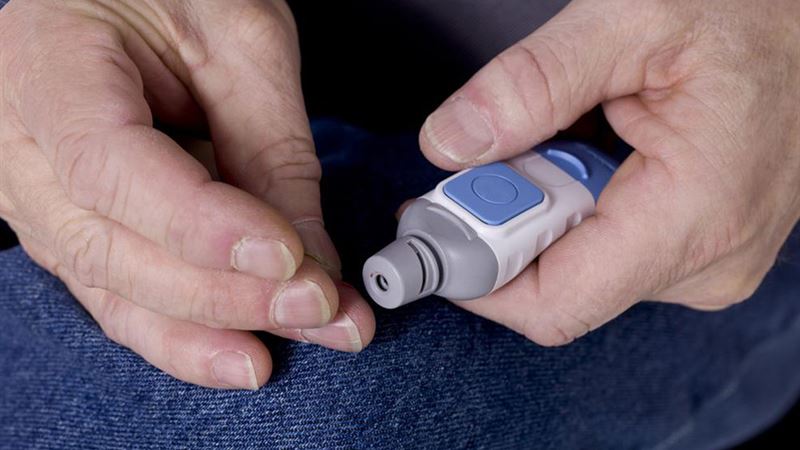
Understanding the significance of the A1C level is essential for both patients and medical professionals aiming to prevent complications associated with diabetes. Consistently maintaining an optimal A1C percentage can significantly reduce risks related to cardiovascular diseases, nerve damage, kidney issues, and vision impairment. Regular testing helps detect fluctuations in blood sugar levels, ensuring timely adjustments to medication, diet, or lifestyle. Recognizing the importance of this metric can empower individuals to take proactive steps in managing their health, leading to better outcomes and improved quality of life.
Why Is the A1C Test So Important?
- One of the primary advantages of the A1C test is its convenience. Unlike fasting blood sugar tests, which require individuals to abstain from food and drink before testing, A1C can be performed at any time of the day, making it more accessible and less burdensome.
- The test provides highly accurate insights into average blood glucose levels, offering a comprehensive understanding of long-term glycemic control rather than just a snapshot of blood sugar at a single moment.
- Monitoring the A1C level over time enables healthcare providers to evaluate the effectiveness of treatment strategies, including medication, dietary adjustments, and physical activity, fostering better disease management.
The combined use of A1C testing and the respective diabetes management charts forms a cornerstone in controlling and preventing the progression of diabetes. Staying within target A1C ranges, as prescribed by healthcare professionals, significantly reduces the risk of developing serious complications related to diabetes, such as cardiovascular disease, neuropathy, and retinopathy.