
Understanding the Implications of a Poor Credit History for Borrowers and Lenders
This comprehensive guide explains what a poor credit history means for borrowers and lenders. It covers how bad credit affects loan eligibility, interest rates, collateral needs, and the options available for those with impaired credit scores. Learn how to navigate lending hurdles, evaluate online loan alternatives, and choose the best borrowing options despite a challenging credit profile, ensuring smarter financial decisions and better loan management.
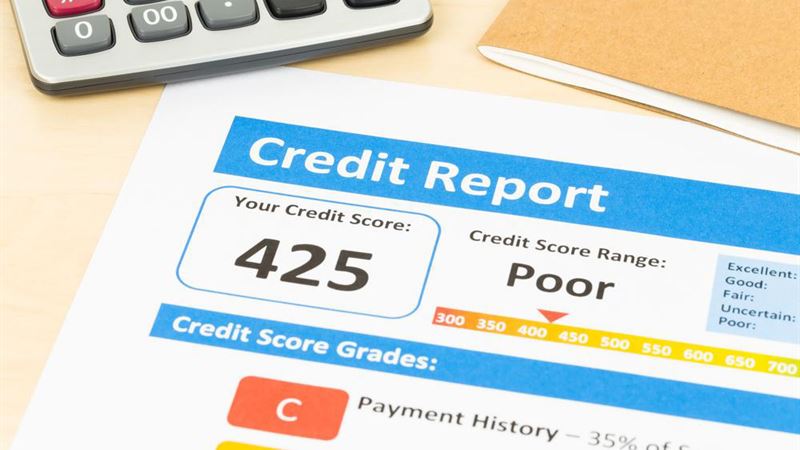
What Does a Poor Credit History Mean from a Lender's Perspective?
When lenders review your credit report, they interpret a low credit score as a signal that you may be unreliable in repaying loans. This perception can limit your access to traditional financing channels and lead to increased scrutiny and stringent conditions. Here are some specific ways in which bad credit affects your borrowing prospects:
- Reduced Loan Amounts: Lenders often limit the maximum amount they are willing to lend to individuals with poor credit profiles to mitigate potential losses.
- Higher Interest Rates: To compensate for the increased risk, lenders charge higher interest rates on loans extended to borrowers with adverse credit histories, resulting in higher overall repayment costs.
- Strict Collateral Requirements: Borrowers with bad credit may be required to provide additional collateral or security to secure the loan, making the borrowing process more rigorous.
- Limited Lending Options: Many traditional banks and financial institutions restrict lending to individuals below certain credit score thresholds, potentially excluding those with a poor history altogether.
- Enhanced Approval Challenges: Securing a personal loan or credit card can be particularly difficult if your credit score is significantly below average, as many lenders use credit scores as a primary eligibility criterion.
Despite these challenges, obtaining financial assistance with a poor credit background remains possible. The qualifications for applying for personal loans, regardless of credit score, are straightforward:
- Legal age requirement: You must be at least 18 years old and a legal resident of the country.
- Basic identification: Providing valid proof of identity, residence, and citizenship status.
- Financial documentation: Details related to employment, income, bank account information, and residential address.
As an alternative to traditional personal loans, there are unsecured online loans specifically designed for borrowers with less-than-perfect credit. These options often focus on providing immediate short-term financial support without rigid credit score requirements. Features of such loans include quick approval processes, fast funding, extensive lender networks, and versatile use cases—covering anything from emergencies to small personal expenses.
Interest rates, or Annual Percentage Rates (APR), vary significantly based on multiple factors, including the lender, your location, age, income level, and the loan’s tenure. Other key considerations influencing APR include late payment penalties, loan renewal protocols, and the information provided during application. It’s essential to understand that APR is distinct from the total finance charges, which will be disclosed during the loan agreement process.
Before committing to any loan, especially a bad credit personal loan, thoroughly review all terms and conditions provided by the lender. Carefully examine the loan details, including APR, repayment period, associated fees, penalties, and any other charges. Shopping around and comparing offers from different lenders can help you find options best suited to your financial situation and budget.