
Comprehensive Guide to the Versatile Uses of Pressure Washers
This detailed guide explores the many uses of pressure washers, from cleaning vehicles and home exteriors to tough masonry surfaces. Learn best practices, safety tips, and techniques for effective, damage-free cleaning across various materials. Discover how pressure washers can revitalize your property efficiently and safely, saving time and effort. Perfect for homeowners, professionals, and cleaning enthusiasts, this comprehensive overview ensures you get the most out of your pressure washing equipment while maintaining safety and surface integrity.
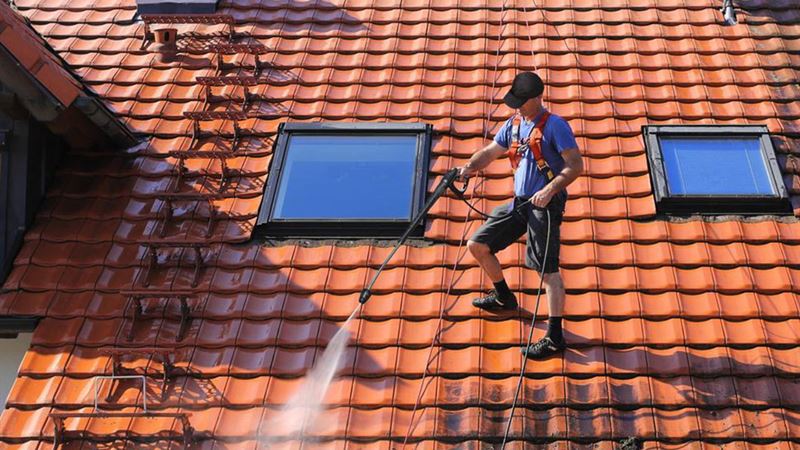
Pressure washers have become an essential tool for homeowners, professionals, and cleaning enthusiasts alike. Their ability to efficiently remove dirt, grime, mold, and other unwanted substances from various surfaces makes them invaluable for maintaining the cleanliness and aesthetic appeal of properties. Whether you're tackling stubborn stains on concrete, refreshing wooden decks, or maintaining vehicles, understanding the proper uses, techniques, and safety precautions for pressure washers can significantly enhance your cleaning outcomes. This comprehensive guide explores the diverse applications of pressure washers, best practices, and tips for maximizing their effectiveness across different surfaces and scenarios.
Primary Uses of Pressure Washers
- Vehicle Cleaning: Using a pressure washer to clean cars, trucks, boats, and other vehicles can save time and achieve a showroom shine. It's important to choose the appropriate nozzle and pressure setting to avoid damage to delicate surfaces.
- Exterior Home Maintenance: Pressure washers are perfect for cleaning siding, brickwork, windows, and gutters, restoring the appearance of your home’s exterior. Regularly cleaning these surfaces prevents buildup that can lead to deterioration.
- Decks, Fences, and Wooden Structures: Wooden surfaces accumulate dirt, algae, moss, and mildew over time. Light pressure combined with suitable detergents helps keep decks, fences, and outdoor furniture looking their best without compromising the wood integrity.
- Concrete and Masonry Cleaning: Driveways, walkways, garage floors, and brick walls often develop stubborn stains, oil spills, and dirt buildup. High-pressure settings efficiently remove these contaminants, revitalizing your property’s curb appeal.
- Industrial and Commercial Applications: Pressure washers are vital in factories, warehouses, and service stations for deep cleaning machinery, floors, and large surfaces, ensuring safety and compliance.
Proper Techniques and Tips for Safe Use
- Choosing the Right Nozzle: Use a low-pressure or wide-angle nozzle for delicate surfaces like vehicles and wooden decks. Reserve high-pressure nozzles for tough cleaning tasks on concrete or brickwork. Switching nozzle tips according to the surface ensures optimal results and prevents damage.
- Maintaining Adequate Distance: Always keep at least three to four feet away from the surface being cleaned. Closer distances can lead to surface etching or damage, especially on softer materials like wood or painted surfaces.
- Using Correct Detergents: Select cleaning solutions formulated for pressure washer use. Avoid generic shampoos or soaps that may produce excessive foam or damage the equipment. Apply detergents as per manufacturer instructions for effective results.
- Safety Precautions: Never wear open-toe shoes or slippery footwear near the equipment. Wear protective eyewear and gloves, and be mindful of your surroundings to prevent accidents. Do not direct high-pressure streams at people, animals, or fragile objects.
- Environmental Considerations: Be cautious about water runoff, especially when cleaning near storm drains or sensitive landscaping areas. Use biodegradable detergents and aim to minimize water wastage.
Cleaning Wooden Surfaces
If you have wooden decks, fences, siding, or outdoor furniture that have accumulated dirt, mold, or algae over time, pressure washing offers a highly effective cleaning solution. Before starting, ensure you select a low-pressure nozzle to prevent damage such as splitting, bending, or rotting the wood. Maintaining low pressure is crucial because high-pressure streams can drive water into the wood fibers, causing long-term issues like swelling or decay.
Begin by rinsing the surface with a gentle water spray to remove loose dirt. Apply an appropriate wood-safe detergent if necessary for stubborn stains or growth. Use the pressure washer with a wide-angle nozzle at a safe distance and work in manageable sections, moving systematically to cover all areas. Always keep the nozzle moving to avoid concentrating water in one spot, which can cause uneven surfaces or damage. After cleaning, inspect the surface for any signs of damage, and follow up with sealing or staining if needed to protect the wood.
Cleaning wooden surfaces regularly with a pressure washer can prolong their lifespan, improve appearance, and prevent deterioration caused by mold, mildew, and dirt buildup. Proper technique and appropriate equipment are essential for effective and safe cleaning.
Cleaning Concrete, Brick, and Masonry Surfaces
Concrete driveways, garage floors, brick pathways, and building facades are often subjected to heavy grime, oil stains, moss, and embedded dirt. Pressure washing with high-pressure nozzles is the ideal method for deep cleaning these surfaces. It effectively lifts off stubborn stains and gives surfaces a fresh, vibrant look.
Start by preparing the area: remove loose debris, furniture, or objects that may obstruct the cleaning process. Use a detergent designed for masonry if necessary, applying it uniformly with the pressure washer’s detergent nozzle. Let the detergent sit briefly for maximum stain removal before switching to the high-pressure nozzle. Work from top to bottom in sections, maintaining steady movement to ensure even cleaning. Be careful around edges and joints to avoid damaging mortar or grout.
For persistent stains, especially oil or grease, consider pre-treatment with specialized cleaners prior to pressure washing. Rinse thoroughly to remove residue, and allow the surface to dry completely before foot or vehicle traffic returns. Regular pressure washing of concrete and brick surfaces not only enhances their appearance but also extends their durability by removing corrosive contaminants.