
Effective Strategies for Managing Toenail Fungal Infections During Pregnancy
This comprehensive guide explores effective strategies for managing toenail fungus during pregnancy. It emphasizes protective footwear, regular sock changes, seeking medical advice when needed, and avoiding nail polish, all tailored for pregnant women's safety. Proper foot hygiene and early intervention are vital to prevent fungal infections from worsening. Learn practical tips to maintain healthy nails and prevent discomfort during pregnancy. This detailed resource offers essential insights for expectant mothers dealing with toenail fungal issues, ensuring safe and effective care throughout pregnancy.
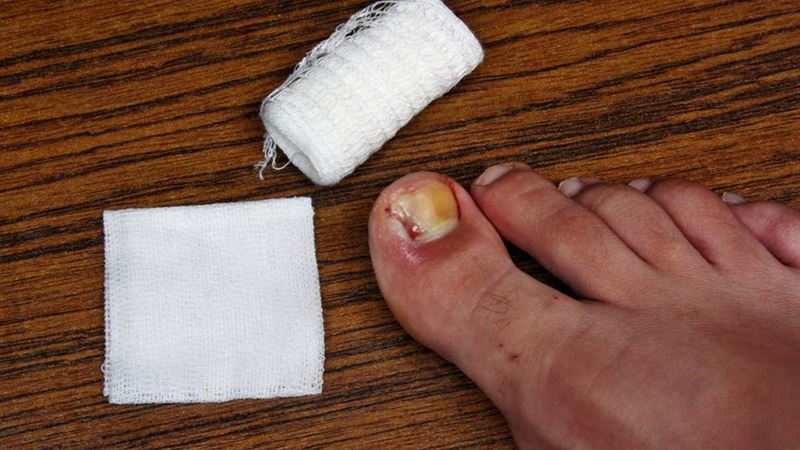
Wearing Protective Footwear in Communal Areas: During pregnancy, it's crucial to prioritize foot safety, especially when visiting public swimming pools, gyms, or showers. Always wear comfortable, waterproof shower shoes to shield your feet from potential infections. Public water sources breeding grounds for fungi and bacteria can pose a significant risk, which makes protective footwear an essential preventative measure. Regularly wearing appropriate footwear reduces contact with contaminated surfaces, thereby decreasing the chances of developing or worsening toe nail fungus. This simple step is vital for maintaining foot health throughout pregnancy.
Frequent Sock and Shoe Changes: Sweaty, damp conditions create an ideal environment for fungal growth. Therefore, changing socks and shoes multiple times a day becomes a practical and effective way to manage toe nail fungus. Opt for breathable, moisture-wicking socks made from cotton or specialized materials designed for moisture control. When possible, choose shoes made of breathable materials like mesh or leather to promote airflow around the feet. Maintaining a dry environment around the toes helps inhibit fungal proliferation, promoting faster healing and preventing infections from spreading further.
Managing toenail fungal infections during pregnancy requires consistent care and attention. While some remedies are natural, consulting a healthcare professional is recommended for persistent cases.
Seek Medical Attention When Necessary: If your personal hygiene measures such as cleaning and drying do not resolve the fungal infection, it is pertinent to consult a healthcare provider. Persistent or worsening symptoms should be evaluated, as toenail fungus can sometimes require medical intervention. A doctor can assess the severity of the infection and may prescribe antifungal topical treatments, medicated powders, or oral medications suitable for pregnant women. These treatments can help eliminate the infection more effectively and prevent complications.
Avoid Using Nail Polish and Artificial Nails: To facilitate healing, it’s advisable to avoid applying nail polish or artificial nails during pregnancy. Nail polishes and artificial coverings can trap moisture and restrict airflow to the nails, creating a conducive environment for fungal growth. Removing these coverings allows the nails to breathe and reduces the risk of spores spreading or worsening foot infections. Good nail hygiene combined with avoiding occlusive nail products is paramount for managing toenail fungus during pregnancy.
Beyond these measures, maintaining rigorous foot hygiene, wearing open-toed shoes when possible, and keeping your feet dry and clean are essential. Regular foot inspections can help detect early signs of fungal infections, enabling prompt treatment and preventing progression. Remember that pregnancy often alters immune responses; thus, being extra cautious with foot care helps safeguard overall health. Consulting healthcare professionals for tailored advice ensures both safety for the mother and the unborn baby.