
Effective Strategies to Prevent Herpes Transmission
Discover essential methods to stop the spread of herpes. This comprehensive guide offers practical tips on avoiding contact with sores, maintaining hygiene, and protecting loved ones from infection. Learn how to manage outbreaks effectively and reduce transmission risks with proven strategies, ensuring your health and safety and that of those around you.
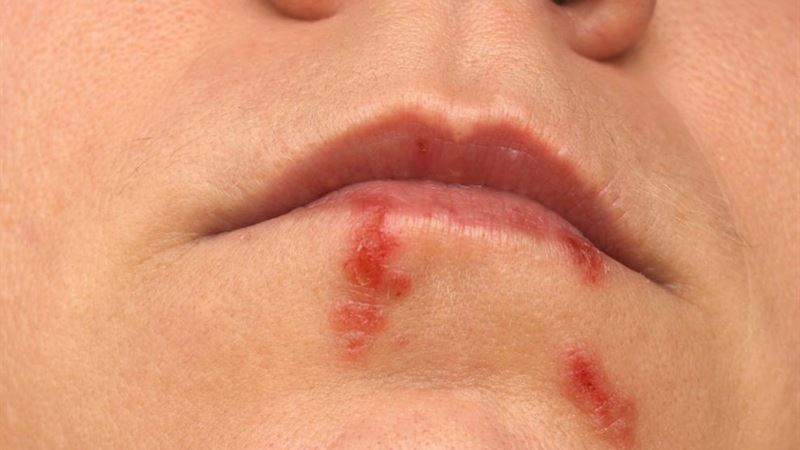
Minimize Contact with Herpes Sores: To reduce the risk of spreading herpes, it is essential to avoid direct contact with active sores. Herpes sores located in intimate areas, such as the genitals, are highly contagious and pose a significant risk of transmission. Even sores on other parts of the body, including the hips or back, can spread the virus if touched or contacted. Patience is key; wait until sores fully heal and scab over before resuming close contact or physical intimacy. Refrain from touching or scratching these lesions, as it can lead to the virus spreading to other parts of your body, including your eyes or mouth.
Limit Physical Contact, Especially with Children: If you are experiencing an active herpes outbreak, it's crucial to avoid physical contact with infants, children, or anyone with a weakened immune system. Mothers with herpes should exercise extra caution, especially during outbreaks, to prevent transmitting the infection to their little ones. Keep your hands clean, and avoid sharing items such as towels or bedding that may carry the virus. Safe practices help protect vulnerable populations and prevent the virus from spreading within families.
Prioritize Personal Hygiene: Maintaining rigorous personal hygiene can significantly minimize the risk of herpes transmission. After touching or managing sores, always wash your hands thoroughly with soap and water or use an alcohol-based sanitizer. Avoid activities that cause excessive sweating, as moisture can create a conducive environment for the virus to spread or worsen sores. Wear loose, breathable cotton clothing to keep sores dry and allow proper ventilation. When dealing with sores around the eyes or mouth, avoid saliva contact with contact lenses or other surfaces, and never wet contact lenses with saliva to prevent oral herpes from reaching the eyes.
The herpes virus can worsen if sores remain moist or are irritated. Keeping lesions dry and covered with loose, breathable fabrics is recommended. Proper hygiene, including handwashing and disinfecting surfaces, plays a vital role in preventing secondary infections or spreading the virus. Remember, anytime you inadvertently touch your sores, wash your hands immediately to prevent cross-contamination. Using hand sanitizers regularly is an effective practice, especially when you're on the move. Additionally, avoid sharing personal items such as towels, razors, or utensils that may harbor the virus.
People infected with herpes are at a higher risk of contracting other infections, particularly HIV. Studies indicate that individuals with herpes have roughly twice the likelihood of acquiring HIV compared to those uninfected. It's also important to recognize that herpes can be transmitted from mother to child during childbirth, especially if active sores are present. Consequently, taking preventive measures is crucial not only to protect yourself but also to prevent passing the virus to others, including sexual partners and family members. Using barrier protections like condoms during sexual activity and consistent medical management can help control outbreaks and reduce transmission risks.