
Ultimate Guide to Choosing the Perfect SUV for Your Needs
Discover the comprehensive guide to selecting the ideal SUV for your needs. Learn about different SUV types, features to consider, best models, and insider tips on timing your purchase for maximum savings. Perfect for small families or adventure lovers, this article helps you make an informed decision in the ever-expanding SUV market, ensuring you find a vehicle that fits your lifestyle, budget, and driving preferences. Make smarter choices with expert insights and practical advice today.
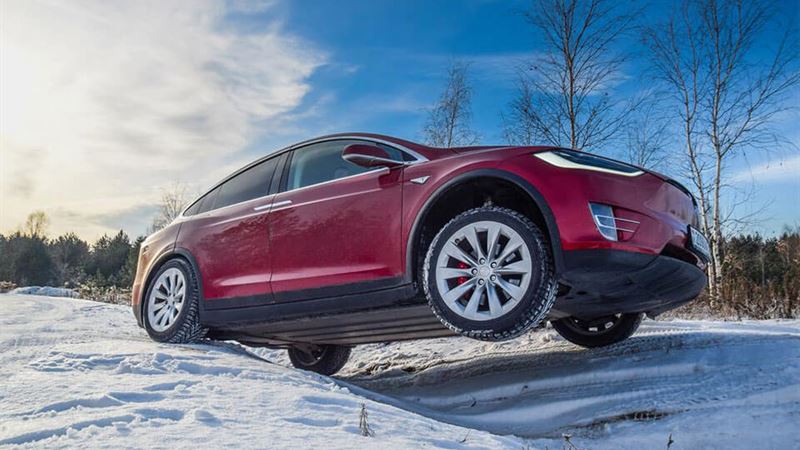
Understanding the Different Types of SUVs Available
The SUV market offers a broad spectrum of choices, each designed to cater to specific preferences and needs. Recognizing the distinctions among these categories is the first step toward making a smart purchase. Below is an overview of the most common SUV types and their unique characteristics.
Subcompact SUVs
- Compact and highly maneuverable, subcompact SUVs are perfect for city driving and tight spaces. They usually seat four to five adults comfortably, making them suitable for small families or singles who require extra cargo capacity.
- Popular models include Honda HR-V, Mazda CX-3, and Subaru Crosstrek.
Compact SUVs
- Offering a balance between size and performance, compact SUVs are versatile and often come with luxurious trim options. They tend to perform well on various terrains and have sufficient cargo space.
- Notable models are Honda CR-V, Mazda CX-5, Ford Escape, and Subaru Forester.
Midsize SUV with Two Rows
- These vehicles deliver enhanced comfort, better fuel efficiency, and exciting performance with a configuration that seats five comfortably. Luxury variants often feature advanced technology and premium materials.
- Examples include Toyota RAV4, Hyundai Tucson, and Nissan Rogue.
Midsize SUVs with Three Rows
- Designed for larger families, these SUVs typically accommodate up to seven passengers across three rows of seating. They combine spaciousness with practicality, making them ideal for road trips and carpooling.
- Popular models include Honda Pilot, Ford Explorer, and Chevrolet Traverse.
Full-Size SUVs
- Built with powerful engines and extensive seating, these vehicles are best suited for hauling heavy loads or large families. They usually seat eight passengers and feature robust performance capabilities.
- Examples are Chevrolet Suburban, Ford Expedition, and Toyota Sequoia.
Off-Road and Special Purpose SUVs
- Crafted for adventure, these SUVs are equipped to handle rugged terrains, trails, and various challenging conditions. They often come with features like four-wheel drive, high ground clearance, and convertible options.
- Popular models are Jeep Wrangler, Land Rover Defender, and Toyota 4Runner.
Ideal SUV Choices for Small Families
Small families benefit from vehicles that offer flexibility, safety, and efficiency. Among the various classes, subcompact and compact SUVs are favored choices due to their manageable size and practical features.
- Subcompact SUVs like Honda HR-V, Mazda CX-3, and Subaru Crosstrek are excellent options, providing ample seating for four to five passengers and sufficient cargo space for daily needs.
- Similarly, compact SUVs such as Honda CR-V, Mazda CX-5, Ford Escape, and Subaru Forester are top contenders, combining reliability, fuel efficiency, and comfort for small family adventures.
Key Considerations Before Purchasing an SUV
Buying an SUV is a significant investment, and taking the time to evaluate your needs and budget is essential. Here's what you should keep in mind:
- Set a Clear Budget: Determine your financial limit and research vehicles within that range. Resist the temptation to overspend on features you don’t need.
- Identify Your Needs: Think about the primary use—commuting, family transport, off-road adventures, or a combination—and select an SUV that fulfills these requirements.
- Insurance and Financing: Obtain insurance quotes early to understand ongoing costs, and explore financing options to secure favorable loan terms.
- Rebates and Promotions: Stay alert for manufacturer rebates, lease specials, and seasonal deals that can significantly reduce the total purchase price.
- Negotiate the Price: Don’t hesitate to negotiate with dealers for better deals, especially during promotional periods or at the end of the month.
Critical Features to Evaluate in an SUV
- Fuel Efficiency: Consider miles per gallon to ensure economical running costs, especially if you commute daily.
- Performance and Handling: Test drive to assess acceleration, steering responsiveness, and comfort over different terrains.
- Comfort and Interior Quality: Look for ergonomic seats, quality materials, and modern infotainment systems.
- Braking and Safety: Check the safety ratings, braking distance, and availability of driver-assist features such as lane departure warnings, adaptive cruise control, and collision mitigation systems.
- Ease of Use: Ensure controls, connectivity features, and infotainment systems are intuitive and user-friendly.
Understanding the Cost of an SUV
- The price varies considerably based on SUV type, trim level, and added features.
- Entry-level models may start around $21,000, with luxury and fully equipped variants reaching over $140,000.
- Additional costs include insurance premiums, maintenance, and potential financing interest.
Top Trending SUV Models in the Market
- Kia Sportage
- Subaru Forester
- Ford Explorer
- Hyundai Tucson
- Nissan Rogue
- Toyota RAV4
- Tesla Model Y
- Honda CR-V
- Chevrolet Equinox
- Jeep Grand Cherokee
Best Times to Buy an SUV
- Buy during the last days of the month when dealers aim to meet sales targets.
- Look for new model launches, which often bring discounts on previous years’ inventory.
- End-of-year sales events typically offer substantial deals and rebates.
- Black Friday and holiday seasons present lucrative opportunities with special promotions.