
Effective Strategies for Eliminating Persistent Cat Urine Odor and Stains
Discover comprehensive methods to eliminate stubborn cat urine odor and stains effectively. This guide covers enzymatic cleaners, natural remedies like baking soda and vinegar, and long-term maintenance tips. Learn how to deodorize your home thoroughly and ensure your feline's accidents don't compromise your indoor environment. Find out practical solutions suitable for various surfaces, enabling a clean, fresh living space for both you and your pet, with tips on prevention and ongoing upkeep.
Introduction to Removing Cat Urine Odor
Cat urine odor can be notoriously difficult to eliminate, especially once it has seeped into carpets, furniture, or flooring. Many pet owners find themselves frustrated by the lingering smell that refuses to go away, even after numerous cleaning attempts. The strong, pungent odor not only affects the ambiance of your home but can also be a sign of underlying issues such as health problems or marking behavior. Fortunately, there are numerous effective methods to combat and eradicate this stubborn smell. In this comprehensive guide, we will explore proven strategies, including commercial solutions and natural remedies, to help you restore freshness to your living space and ensure that your feline companion's accidents do not compromise your indoor environment.
Understanding Cat Urine Composition and Why It Odors
Before diving into cleaning techniques, it’s essential to understand what makes cat urine odorous. Cat urine is composed of water, uric acid crystals, urea, and various waste products. The distinctive smell of cat urine mainly comes from uric acid crystals and other nitrogen-rich compounds. Once dried, uric acid crystals become even more difficult to remove, often requiring specialized treatment. The smell is also amplified by bacteria that feed on components of the urine, resulting in an ongoing, unpleasant odor. Addressing the stain alone without tackling the bacteria or the uric acid crystals will often lead to incomplete odor removal, which is why choosing the right cleaning method is crucial.
Comprehensive Approaches to Eliminating Cat Urine Odor
The most effective way to eliminate cat urine odor involves a combination of proper cleaning techniques and ongoing maintenance. Below, we delve into various methods, from targeting stains with chemical solutions to natural alternatives, ensuring you have extensive options suitable for different surfaces and situations.
1. Commercial Enzymatic Cleaners
Enzymatic cleaners are considered the gold standard for removing pet urine odors. These specialized products contain enzymes that break down uric acid crystals and other organic compounds found in urine. They effectively neutralize the foul smell and eradicate odor-causing bacteria.
To achieve optimal results, carefully follow the instructions on the product label. Usually, this involves liberally applying the enzymatic solution directly onto the stained area, allowing it to sit long enough for the enzymes to work, and then blotting or rinsing as instructed.
These cleaners are safe for most surfaces, including carpets, upholstery, and hard floors, making them a versatile choice for pet owners dealing with various messes. Over-the-counter options are widely available online and in pet stores, and investing in a good enzymatic cleaner can save you from repeated cleaning cycles and persistent odors.
2. Baking Soda: An Age-Old Natural Remedy
Baking soda, or sodium bicarbonate, has been a household staple for odor control for decades. Its remarkable ability to absorb and neutralize odors makes it ideal for tackling cat urine smells.
To use baking soda, sprinkle a generous layer over the affected area. Slightly dampen the area with water to help the baking soda penetrate and sit for 15-30 minutes. After the waiting period, scrub gently with a brush or cloth, then vacuum or wipe away the residue. For stubborn odors, repeat the process or combine it with a vinegar solution for an enhanced effect.
Baking soda not only absorbs odors but also helps break down stains, leaving your surfaces cleaner and fresher. It’s an inexpensive, non-toxic choice suitable for various surfaces, including carpets, furniture, and even litter boxes.
3. Hydrogen Peroxide and Baking Soda Mixture
A combination of hydrogen peroxide, baking soda, and dish soap forms a powerful, natural cleaning solution capable of removing even the most stubborn cat urine stains and odors.
Prepare the solution by mixing one cup of hydrogen peroxide (3% solution) with three tablespoons of baking soda and a few drops of dish soap. Carefully apply this mixture directly onto the soiled area, ensuring full coverage. Allow it to sit for 15-20 minutes before blotting or rinsing thoroughly with water.
The active ingredients work synergistically: hydrogen peroxide disinfects and breaks down bacteria, baking soda neutralizes odors, and dish soap helps lift stains. This homemade solution is safe for most surfaces when used as directed and is effective at eliminating deep-seated urine deposits.
4. Vinegar and Water Solution
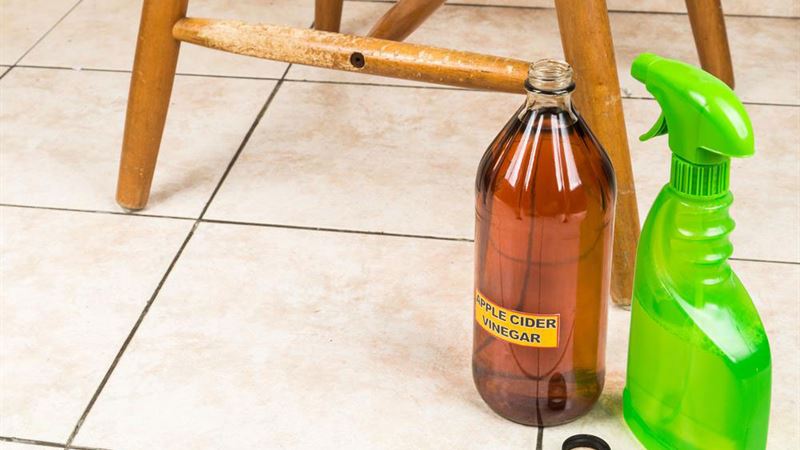
Vinegar remains one of the most tested and trusted natural remedies for pet urine odors. Its acetic acid content effectively breaks down uric acid crystals and neutralizes foul smells.
To create a vinegar solution, mix equal parts white vinegar and water in a spray bottle. Spray liberally over the affected area, ensuring the solution penetrates deep into the fibers or surfaces. Let it sit for 10-15 minutes before blotting away excess liquid with a clean cloth.
For tougher stains and odors, repeat the process. Vinegar not only fights odors but also acts as a disinfectant, making it a highly effective natural cleaning agent. It’s non-toxic and safe for use around pets and children when thoroughly rinsed or dried afterward.
5. Long-Term Prevention and Maintenance Tips
While immediate cleaning methods are essential, ongoing maintenance plays a vital role in preventing future accidents and odor buildup. Regularly cleaning litter boxes, monitoring your cat’s health, and providing ample play and enrichment can help reduce marking behaviors and accidents.
Use odor-neutralizing sprays or diffusers to keep your home smelling fresh. Consider using mats or waterproof covers on furniture and carpets that are frequently soiled, making cleaning easier.
Establish a consistent cleaning schedule for your pet’s favorite spots, and train your cat to use the litter box properly. If accidents become a recurring problem, consult a veterinarian to rule out medical issues or behavioral problems that may be causing the problem.
Conclusion
Dealing with cat urine odor can be challenging, but by employing the right techniques—whether commercial enzymatic cleaners, natural remedies like baking soda and vinegar, or homemade solutions—you can effectively restore your home’s freshness. Combining these methods with regular maintenance and preventative measures ensures a long-lasting, odor-free environment. Remember, patience and consistency are key when tackling stubborn pet odors, and, with the right approach, your home can remain a clean, welcoming space for both you and your feline friend.