
Comprehensive Guide to Choosing the Right Hearing Aid Before Your Purchase
This comprehensive article offers valuable tips on choosing the right hearing aid, covering billing practices, testing procedures, device features, trial periods, cost negotiation, and expert advice to ensure an informed purchase that enhances quality of life.
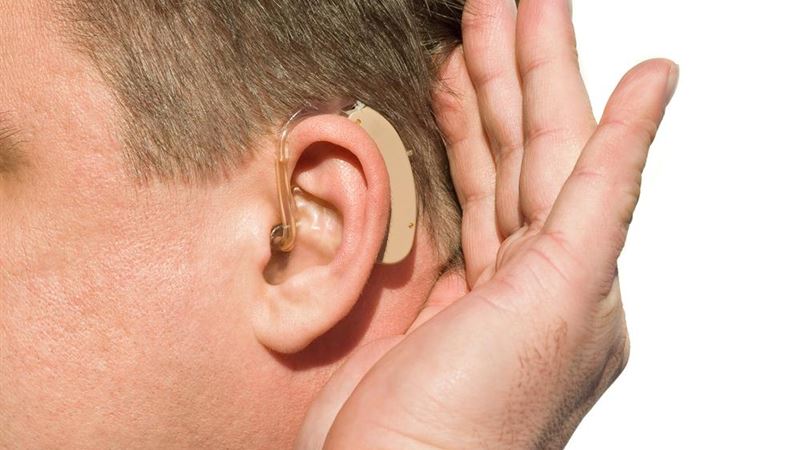
Purchasing a hearing aid is an important decision that can significantly improve quality of life by enhancing communication and hearing clarity. However, the process involves many considerations, from understanding billing practices to selecting the appropriate device features. This detailed guide aims to provide you with extensive knowledge to make an informed choice, ensuring you find a hearing aid that matches your needs and budget effectively.
When considering a hearing aid, it is vital to understand the various billing structures that dispensers employ. Some providers bill separately for hearing tests, devices, and additional services, while others offer bundled packages covering all aspects in a single payment. Carefully reviewing the terms of service, warranty policies, and billing details will help prevent unexpected costs. It is advisable to get a comprehensive written purchase agreement outlining every aspect of your transaction, including the warranties offered by both the manufacturer and the dispenser.
Patience is key during the selection process. Do not rush into buying a hearing aid. Instead, take your time to explore multiple brands and different models. The goal is to identify a device that provides the best fit and functionality for your specific hearing needs. In most cases, hearing aids are programmable, which means you need to communicate with your provider about which speech processing strategies will work best for you. Programmable models come equipped with features such as directional microphones, telecoils, direct audio inputs, and remote controls. Ask your provider for demonstrations on how to adjust these features effectively and ensure you test the device in various configurations to optimize performance.
Understanding your rights during the trial period is crucial. Many providers offer a trial phase where you can wear different hearing aids for a set period, such as a week or two, to see which one suits you best. Switching between models allows you to compare their performance over time and make a well-informed decision based on comfort, clarity, and overall usability.
Before choosing a digital hearing device, it’s essential to clarify your expectations. Decide what improvements you hope to gain and communicate these goals to your provider. It’s also highly beneficial to bring along a friend or family member during the selection process. Having an extra set of ears can help catch details you might miss and provide support for better decision-making. Multiple perspectives can prevent miscommunications and ensure the selected device aligns with your needs.
If you know someone who already uses hearing aids, seek their recommendations. Personal referrals can lead you to reputable providers and experienced audiologists, saving time and reducing the risk of encountering subpar service providers. Reliable recommendations often result in better after-sales support and guidance.
Ensure that your hearing test is conducted in a soundproof environment. Accurate assessment of your hearing loss is fundamental to selecting the right hearing aid. An automated “real ear” measurement should be performed before you leave the clinic. This test verifies that the device fits properly and operates as intended, providing you with optimal hearing enhancement.
When purchasing a hearing aid, consider the available add-ons and accessories. These enhancements can significantly improve hearing performance based on your lifestyle. However, avoid unnecessary features if you primarily stay at home or have simple needs. Be wary of providers pushing costly extras that may not add value for your particular situation. Tailor your selection to fit your environment and daily activities.
Cost is an important factor, as hearing aids typically range from $1,600 to over $3,000. Since Medicare and many insurance plans do not cover these costs, bargaining becomes essential. Recent surveys indicate that retail markups on hearing aids are quite high, often around 117%, leaving room for negotiations. Don’t hesitate to discuss prices with your provider and explore discounts or payment plans.
In summary, making an informed decision on a hearing aid involves understanding billing practices, testing different models, clarifying your expectations, and negotiating costs. By following this comprehensive guide, you increase your chances of selecting a device that provides maximum benefit and value, ultimately enhancing your hearing capabilities and overall quality of life.
Remember, patience, research, and thorough communication will help you find the most suitable hearing aid tailored to your unique needs.
When considering a hearing aid, it is vital to understand the various billing structures that dispensers employ. Some providers bill separately for hearing tests, devices, and additional services, while others offer bundled packages covering all aspects in a single payment. Carefully reviewing the terms of service, warranty policies, and billing details will help prevent unexpected costs. It is advisable to get a comprehensive written purchase agreement outlining every aspect of your transaction, including the warranties offered by both the manufacturer and the dispenser.
Patience is key during the selection process. Do not rush into buying a hearing aid. Instead, take your time to explore multiple brands and different models. The goal is to identify a device that provides the best fit and functionality for your specific hearing needs. In most cases, hearing aids are programmable, which means you need to communicate with your provider about which speech processing strategies will work best for you. Programmable models come equipped with features such as directional microphones, telecoils, direct audio inputs, and remote controls. Ask your provider for demonstrations on how to adjust these features effectively and ensure you test the device in various configurations to optimize performance.
Understanding your rights during the trial period is crucial. Many providers offer a trial phase where you can wear different hearing aids for a set period, such as a week or two, to see which one suits you best. Switching between models allows you to compare their performance over time and make a well-informed decision based on comfort, clarity, and overall usability.
Before choosing a digital hearing device, it’s essential to clarify your expectations. Decide what improvements you hope to gain and communicate these goals to your provider. It’s also highly beneficial to bring along a friend or family member during the selection process. Having an extra set of ears can help catch details you might miss and provide support for better decision-making. Multiple perspectives can prevent miscommunications and ensure the selected device aligns with your needs.
If you know someone who already uses hearing aids, seek their recommendations. Personal referrals can lead you to reputable providers and experienced audiologists, saving time and reducing the risk of encountering subpar service providers. Reliable recommendations often result in better after-sales support and guidance.
Ensure that your hearing test is conducted in a soundproof environment. Accurate assessment of your hearing loss is fundamental to selecting the right hearing aid. An automated “real ear” measurement should be performed before you leave the clinic. This test verifies that the device fits properly and operates as intended, providing you with optimal hearing enhancement.
When purchasing a hearing aid, consider the available add-ons and accessories. These enhancements can significantly improve hearing performance based on your lifestyle. However, avoid unnecessary features if you primarily stay at home or have simple needs. Be wary of providers pushing costly extras that may not add value for your particular situation. Tailor your selection to fit your environment and daily activities.
Cost is an important factor, as hearing aids typically range from $1,600 to over $3,000. Since Medicare and many insurance plans do not cover these costs, bargaining becomes essential. Recent surveys indicate that retail markups on hearing aids are quite high, often around 117%, leaving room for negotiations. Don’t hesitate to discuss prices with your provider and explore discounts or payment plans.
In summary, making an informed decision on a hearing aid involves understanding billing practices, testing different models, clarifying your expectations, and negotiating costs. By following this comprehensive guide, you increase your chances of selecting a device that provides maximum benefit and value, ultimately enhancing your hearing capabilities and overall quality of life.
Remember, patience, research, and thorough communication will help you find the most suitable hearing aid tailored to your unique needs.