
Comprehensive Guide to Effective Herniated Disc Management and Treatment Strategies
This comprehensive guide offers detailed insights into herniated disc causes, risk factors, diagnostic methods, and effective treatment options. Emphasizing conservative therapies like physical therapy, medication, and lifestyle modifications, it aims to educate readers on managing symptoms and promoting recovery. Early intervention, personalized treatment plans, and proper care are key to preventing complications and ensuring optimal spinal health. Whether you experience mild discomfort or severe pain, understanding your options can help you make informed decisions for effective herniated disc management.
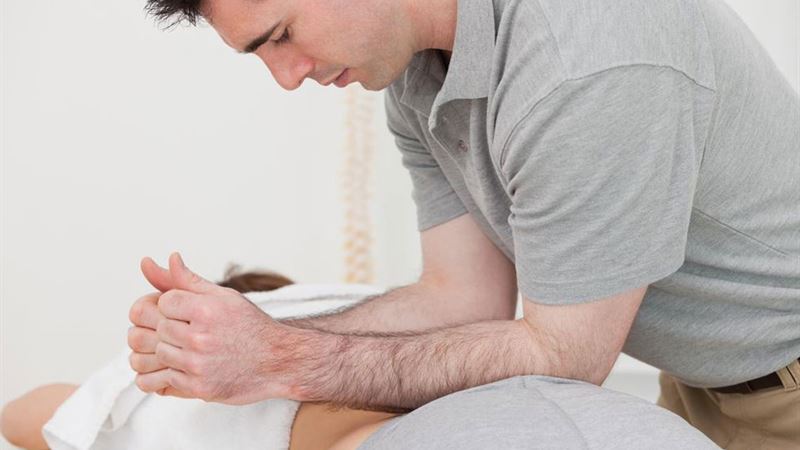
Understanding Spinal Disc Herniation
The human spine is composed of multiple vertebrae cushioned by intervertebral discs. These discs act as shock absorbers, providing flexibility and support. A herniated disc occurs when the nucleus pulposus, the gel-like center, pushes through a tear in the annulus fibrosus, the outer disc wall. This condition is often linked to aging, repetitive strain, or sudden trauma, causing the disc to lose its resilience and increasing the risk of herniation. When the herniated material presses against nerve roots, it can lead to pain radiating down limbs, numbness, tingling sensations, and muscle weakness.
Common Risk Factors for Developing Herniated Discs
Several factors contribute to disc herniation, including:
- Degenerative disc disease due to aging
- Repetitive lifting or twisting motions
- Traumatic injuries such as falls or accidents
- Poor posture and ergonomics
- Obesity, which puts additional stress on spinal structures
- Genetic predisposition to weaker connective tissues
To minimize the risk of disc herniation, it is essential to practice proper lifting techniques, maintain a healthy weight, and engage in regular back-strengthening exercises. Ignoring early symptoms or neglecting posture can lead to more severe disc issues requiring intensive treatment.
When to Seek Medical Attention
If you experience persistent back pain accompanied by radiating pain down your arms or legs, numbness, or tingling, immediate medical consultation is vital. Particularly if pain worsens over time, interferes with daily activities, or is associated with bladder or bowel dysfunction, prompt diagnosis and treatment are crucial to prevent permanent nerve damage.
Diagnostic Methods for Herniated Discs
Accurate diagnosis often involves imaging techniques such as magnetic resonance imaging (MRI), which provides detailed visualization of soft tissues, including discs and nerve roots. X-rays may help rule out other spinal conditions, but MRI remains the gold standard for detecting herniation and assessing its severity. A thorough clinical examination coupled with patient history helps tailor the most effective treatment plan.
Goals of Herniated Disc Treatment
Treatment aims to alleviate pain, reduce inflammation, and restore mobility. The primary focus is on diminishing nerve compression and preventing further nerve damage. Each patient's treatment plan is individualized, considering the severity of symptoms, health status, and activity level. Early intervention often results in better outcomes and may prevent the need for surgical procedures.
Conservative Treatment Approaches
Most cases of herniated discs respond well to non-invasive therapies, which include:
- Physical therapy to enhance spinal stability and muscle support
- Medications to control pain and inflammation
- Lifestyle modifications to prevent aggravating activities
- Complementary therapies like acupuncture and massage therapy
Physical Therapy and Exercise Regimens
Physical therapy constitutes a cornerstone of herniated disc recovery. Structured programs aim to alleviate pain, strengthen associated muscles, and improve flexibility. Components typically include:
- Cardiovascular exercises: Activities like walking, cycling, or swimming help improve blood flow, promote healing, and maintain overall physical health.
- Stretching routines: Targeted stretches increase flexibility and reduce the tension around affected areas.
- Ultrasound therapy: This modality uses sound waves to decrease inflammation and accelerate tissue repair in soft tissues of the lower back.
- Thermal treatments (heat and cold therapy): Applying heat can relax muscles and improve blood circulation, while cold packs reduce swelling and numb the pain. Alternating between these can offer significant relief.
- Hydrotherapy: Immersing in warm water or sitting under a warm shower relaxes muscles, relieves stiffness, and diminishes pain.
- TENS (Transcutaneous Electrical Nerve Stimulation): Electrical impulses stimulate nerve fibers to block pain signals, providing temporary pain relief.
It is critical to follow a specialized physiotherapy program under medical supervision to prevent re-injury and ensure proper recovery.
Rest and Activity Balance
While bed rest may be recommended initially to ease acute pain, prolonged inactivity can lead to muscle atrophy and stiffness. The key is to strike a balance—rest in the short term, then gradually reintroduce gentle activities. Avoid strenuous movements, heavy lifting, and activities that involve twisting or bending for extended periods. Short walks and light stretching are beneficial to keep muscles engaged without aggravating symptoms.
Pharmacological Treatments
Over-the-counter medications provide initial pain relief and reduce inflammation. Common options include nonsteroidal anti-inflammatory drugs (NSAIDs) like ibuprofen and naproxen. However, prolonged or excessive use may pose health risks such as gastrointestinal issues, cardiovascular concerns, or bleeding. It is vital to consult a healthcare professional before using these medicines long-term.
If OTC medications do not suffice, physicians may prescribe stronger drugs, including muscle relaxants or corticosteroids, to manage severe pain and inflammation. In certain cases where nerve pain persists or worsens, nerve-specific medications such as gabapentin or pregabalin may be recommended.
For pain unrelieved by conservative modalities, surgical options like discectomy or microdiscectomy could be considered. Nevertheless, most herniated discs recover with non-invasive treatments, emphasizing the importance of early and appropriate management.
In summary, managing a herniated disc involves a combination of lifestyle changes, physical therapy, medication, and, when necessary, surgical intervention. Staying proactive with treatment, adhering to recommended therapies, and avoiding aggravating activities can significantly enhance recovery outcomes and restore quality of life.