
Maximize Space Efficiency with Clever Bunk Bed Solutions
Discover how bunk beds can optimize space in your home or facility. Learn about different types, safety tips, and where these beds are most useful, from hostels to ships. Maximize your living space efficiently with expert advice on choosing and maintaining bunk beds.
Where Are Bunk Beds Commonly Found?
Bunk beds are primarily used in environments where maximizing space is critical. They are widely found in hostels, dormitories, and student residences because they facilitate multiple beds within a compact footprint. In educational institutions, bunk beds help manage large student populations efficiently, particularly in shared accommodation or hostel rooms where space is limited. Correctional facilities also use bunk beds to house many inmates in confined spaces, ensuring safe and space-efficient sleeping arrangements. Additionally, ships, submarines, and other marine vessels incorporate bunk beds into their quarters due to the extreme space limitations and need for practicality. These beds are crafted to fit within tight spaces, making them indispensable in mobile or constrained environments.
Short-term or emergency accommodations, such as camping grounds or emergency shelters, also frequently utilize bunk beds for their space-saving advantages. Overall, anywhere that space conservation is a priority, bunk beds offer an optimal solution.
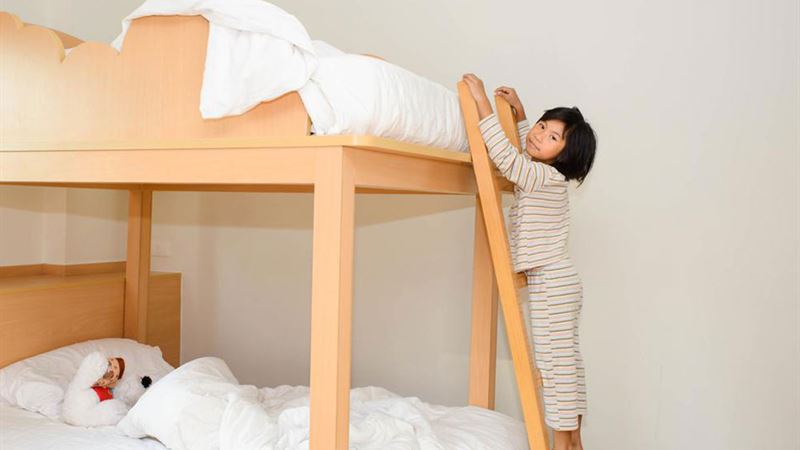
- Standard Bunk Beds: These are the classic design featuring two beds stacked vertically. The top bunk is accessed via a built-in ladder, and guardrails are often installed to prevent falls. They are suitable for shared bedrooms and hostel rooms where space is limited but sleeping arrangements are essential.
- Loft Beds: Similar to standard bunk beds but with only one bed elevated, leaving space underneath for other uses such as a study desk, storage, or seating. Loft beds are ideal for small rooms because they serve dual purposes—sleeping and living space.
- Wooden Bunk Beds: Known for their durability and aesthetic appeal, wooden bunk beds are popular for family homes. They come in various designs and themes, allowing customization to match room décor. Although costlier, they offer a warm, classic look and can be tailored to children's preferences.
- Metal Bunk Beds: These beds are sturdy, long-lasting, and often utilized in environments with high user turnover, such as hostels, military barracks, or ships. Their robust construction makes them a practical choice for institutions requiring durable furniture.
When installing bunk beds, safety must always be a priority. Guardrails should be installed along the edges of the upper bunk to prevent accidental falls, especially during sleep. Ladders must be securely attached and easy to climb, with non-slip steps to reduce the risk of slipping. It's advisable to avoid placing bunk beds in rooms with low ceilings to prevent head injuries. Additionally, using appropriate bedding and avoiding overloading the upper bunk are crucial precautions. For children, ensure they are old enough to understand safety rules and climb safely. Regular inspections for structural integrity, loose fittings, or damage are necessary to maintain a safe sleeping environment. Proper lighting around the ladder and upper bed area is also recommended to prevent accidents during night-time movement.