
Comprehensive Guide to Mechanical Wheel Alignment Techniques
Learn about the essential types of mechanical wheel alignment—front end, thrust angle, and four-wheel alignment. Discover how these procedures improve vehicle handling, safety, and tire longevity. Regular maintenance ensures optimal performance and cost savings, making this guide vital for vehicle owners. Stay informed with expert tips on keeping your car properly aligned for smooth driving and extended vehicle life.
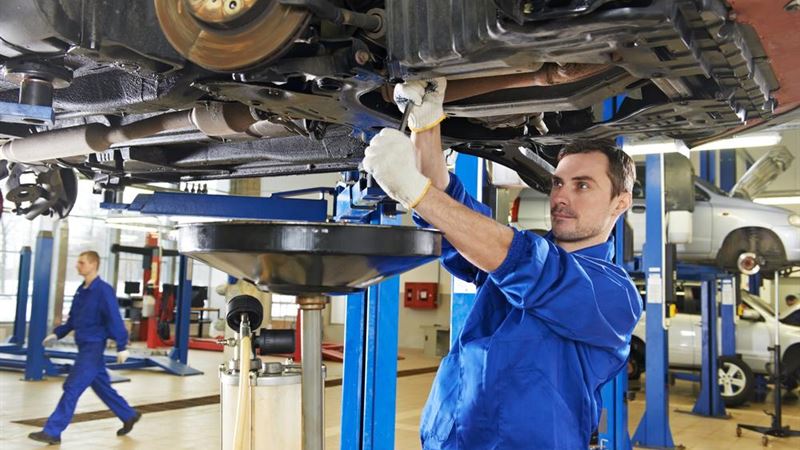
Front End Alignment: The Cornerstone of Vehicle Handling
Front end alignment is arguably the most common and vital alignment procedure, focusing on the wheels located on the front axle of your vehicle. Proper front end alignment ensures that the wheels are aligned parallel to each other and correctly oriented towards the vehicle’s centerline. This alignment affects steering responsiveness, tire wear, and overall vehicle stability.
Typically referred to as "toe-in" and "toe-out," front end alignment involves adjusting the angles of the front wheels relative to the vehicle's centerline. Toe-in occurs when the front wheels point slightly inward towards the vehicle’s centerline, whereas toe-out happens when they point slightly outward. Achieving the correct toe angle depends on the car's make, model, suspension type, and driving conditions.
The importance of correct front end alignment cannot be overstated. Misalignment can cause uneven tire wear, decreased fuel efficiency, and compromised handling. Professionals measure the toe angle using specialized equipment, ensuring precise adjustments to keep the wheels aligned perfectly. Various factors like hitting potholes, curb impacts, or suspension wear can disturb front end alignment, which is why regular checks are strongly recommended.
Thrust Angle Adjustment: Ensuring the Wheels Move in Perfect Harmony
The thrust angle is a critical concept that assesses how well the rear wheels align with the vehicle’s centerline. Essentially, it’s the angle formed between a line passing through the center of the rear axle and the vehicle’s longitudinal axis. Ensuring that the thrust angle is zero or within manufacturer specifications guarantees that all four wheels are geometrically aligned, promoting smooth handling and even tire wear.
When the thrust angle is misaligned, it can cause the vehicle to pull to one side, leading to inefficient driving and increased tire wear on one side. Common causes include incorrect installation of suspension components, damaged or out-of-place axles, or previous accidents. Correcting the thrust angle involves adjusting the rear wheel alignment to ensure it is parallel to the vehicle’s centerline, which often requires specialized alignment machinery.
Proper thrust angle alignment is especially important for vehicles with rear-wheel drive or independent rear suspension systems. It improves vehicle stability, enhances steering response, and contributes to better fuel economy. Regular checks and adjustments of the thrust angle help in maintaining the overall health of the vehicle’s suspension and wheel alignment system.
Four-Wheel Alignment: For Complete Vehicle Precision
Four-wheel alignment is a comprehensive correction procedure designed for vehicles equipped with independent suspension systems or those with adjustable rear suspensions. Unlike front end alignment, which only adjusts the front wheels, four-wheel alignment involves assessing and correcting the angles of all four wheels for optimal configuration.
This process ensures that the front and rear wheels are parallel to each other and aligned with respect to the vehicle’s thrust line. Technicians measure and adjust camber, caster, toe angles, and the rear wheel alignment to achieve precise positioning, which ultimately enhances handling, improves tire longevity, and boosts overall safety.
Neglecting proper four-wheel alignment can lead to uneven tire wear, increased rolling resistance, higher fuel consumption, and reduced vehicle control. Especially in vehicles with four-wheel drive or those with adjustable suspensions, regular four-wheel alignment inspections are vital. Professionals utilize advanced machines to analyze the wheel angles relative to the vehicle’s baseline, making necessary adjustments to restore optimal configuration.
Importance of Regular Wheel Alignment Maintenance
Routine wheel alignment checks are essential to maintain vehicle safety, comfort, and efficiency. Over time, driving on rough roads, frequent cornering, impacts, and suspension wear gradually alter the alignment angles. Detecting and correcting these changes early can prevent severe tire damage, improve fuel economy, and prolong the life of suspension components.
Most vehicle manufacturers recommend having your alignment checked at least once every 12,000 miles or annually, whichever comes first. However, if you experience symptoms like uneven tire wear, pulling to one side, or steering wheel vibrations, a professional alignment service should be scheduled promptly.
Choosing the Right Alignment Service
When selecting an alignment shop, it’s essential to ensure they use state-of-the-art equipment and employ trained technicians. Proper calibration and measurement tools are crucial for accurate adjustments. Additionally, inquire whether the shop offers alignment packages that include multiple-angle checks and adjustments for various suspension types.
The cost of wheel alignment varies based on the vehicle type and the extent of adjustments needed. While it may seem like an unnecessary expense at times, proper alignment saves money in the long run by reducing tire replacement costs and improving overall driving comfort and safety.
Understanding these three primary types of mechanical wheel alignment will help you make informed decisions about your vehicle’s maintenance. Regular check-ups and timely adjustments can significantly enhance your driving experience, ensure safety on the road, and extend the life of your vehicle’s tires and suspension system. Invest in proper alignment today to enjoy a smoother, safer, and more efficient ride.