This comprehensive guide explores various types of leaf blowers, including gas, electric, handheld, and backpack models. It discusses their advantages, disadvantages, and key considerations such as noise regulations and environmental impact. Designed for homeowners and professionals, this article helps readers choose the most suitable equipment for efficient yard maintenance, emphasizing safety, compliance, and eco-friendliness to make outdoor cleanup easier and more effective.
Efficiently clearing leaves and debris from your yard can be a daunting task, especially if you rely solely on traditional tools like rakes and brooms. These manual methods often require significant effort, time, and physical strain. Fortunately, modern technology offers a range of leaf blowers designed to simplify outdoor cleanup, making the process faster, easier, and less tiresome. When selecting the right leaf blower for your needs, understanding the various types and their specific features is crucial. This comprehensive guide will explore the different types of leaf blowers, their advantages and disadvantages, and important considerations to keep in mind before making a purchase. Whether you have a small garden or a large lawn, there's a suitable model for every homeowner or professional landscaper.
Understanding the Main Types of Leaf Blowers
Gas-powered leaf blowers are renowned for their power and portability. They operate using a gasoline engine, which provides a high level of performance, making them ideal for large-scale yard work and extensive debris removal. These models are not limited by electrical cords, offering greater mobility and convenience in vast outdoor spaces.
Gas blowers generally come equipped with either two-stroke or four-stroke engines. Two-stroke engines are lighter and simpler but tend to consume more fuel and emit more exhaust fumes. Four-stroke engines are more fuel-efficient and produce fewer emissions but are usually heavier and more complex. The choice between these depends on the specific needs and preferences of the user.
The performance capacity, engine size, and build quality influence the cost of gas leaf blowers. Typically, more powerful models with larger engines command higher prices. However, despite their advantages, gas blowers come with some drawbacks. They tend to be noisy, which can be bothersome to both the user and neighbors. Additionally, they require regular maintenance, including fuel mixing, oil changes, and engine servicing. The emissions produced can also raise environmental concerns, especially in areas with strict regulations.
Electric leaf blowers operate on electricity, either through a power cord or a rechargeable battery. They are popular among homeowners for their convenience and quieter operation. When powered by a cord, these blowers are suitable for small to medium-sized yards where an extension cord can reach comfortably.
Battery-powered models offer increased flexibility by eliminating the need for an electrical cord. These cordless designs are lightweight and portable, allowing users to move freely across their property. However, they are limited by battery life, which can range from 15 minutes to over an hour depending on the capacity. Choosing a model with an extended battery life is essential if you have a larger yard.
Electric blowers generally produce less noise compared to gas-powered units, making them more neighbor-friendly and suitable for urban areas. They require minimal maintenance—mainly cleaning and occasional blade sharpening—making them a convenient choice for casual use.
When selecting an electric blower, consider the cord length, battery capacity, weight, and power. For small cleanup tasks, a basic model may suffice. For larger areas, a high-capacity battery or an electric cord with an appropriate extension will be necessary.
- Backpack vs Handheld Models
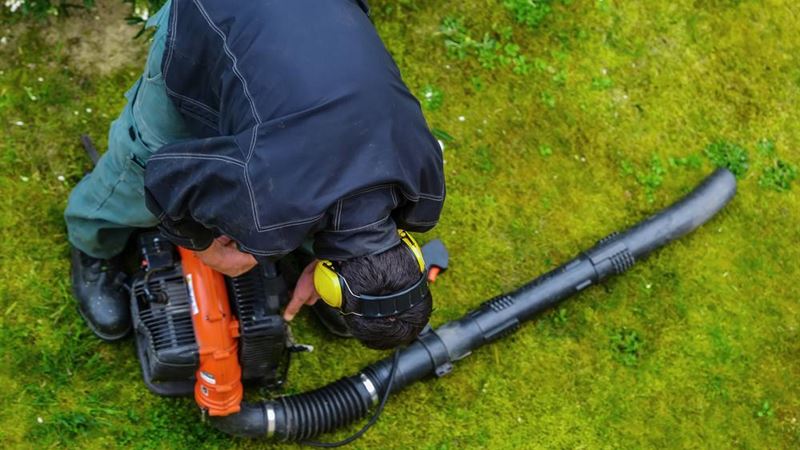
Beyond the power source, leaf blowers are also categorized based on design and portability. There are handheld models, which are lightweight and easy to maneuver, making them ideal for smaller jobs and tight spaces. Backpack blowers are designed with a harness system that distributes weight evenly across the back and shoulders, reducing fatigue during extended use. They generate higher airflow and velocity, making them suitable for heavier debris and larger properties.
Handheld blowers are generally compact, portable, and easy to store. They are excellent for quick cleanups and spot treatments. Backpack models, on the other hand, are better suited for professional landscapers or homeowners with large properties, as they allow for prolonged use without excessive strain.
When choosing between these types, consider the size of your property, the volume of debris, and your comfort level. While backpack blowers offer greater power and endurance, they are bulkier and may require a learning curve for proper handling.
Important Guidelines and Regulations
Regulations surrounding leaf blower usage vary across regions and communities. Because gas-powered models tend to be noisier, many municipalities impose restrictions on their use to reduce noise pollution. It’s essential to familiarize yourself with local laws, as violating noise ordinances can result in fines or other penalties.
Electric blowers are generally more acceptable in noise-sensitive areas due to their quieter operation. However, even electric models may be restricted during certain hours or within specific zones. Always check with your local authorities or homeowners' association before operating any leaf blower.
Environmental considerations are also important. Gas blowers emit exhaust fumes that contribute to air pollution, which has led to increased regulations in many urban and suburban communities. Opting for electric or battery-powered models can help you adhere to environmental standards and promote eco-friendly practices.
In summary, selecting the right leaf blower involves understanding your yard size, debris volume, local regulations, and personal preferences for noise and environmental impact. Properly choosing and using your leaf blower will make yard maintenance more manageable and efficient, costing less time and effort while maintaining a tidy outdoor space.
Whether manual or powered, each type of leaf blower has its unique benefits. Take the time to evaluate your needs and choose a model that offers the optimal combination of power, convenience, and compliance with local laws to ensure your outdoor cleaning tasks are completed effectively and responsibly.
