
Effective Natural Remedies for Treating Nail Fungus: A Comprehensive Guide
Discover a wide range of natural and effective remedies for treating nail fungus. From Vicks VapoRub to herbal extracts like snakeroot and Pau d’Arco, learn how to combat fungal infections safely at home. This comprehensive guide provides detailed methods, benefits, and expert tips to help you restore healthy nails without harsh chemicals, emphasizing the importance of hygiene and professional consultation. Take control of nail health naturally and say goodbye to stubborn fungi with these proven treatments.
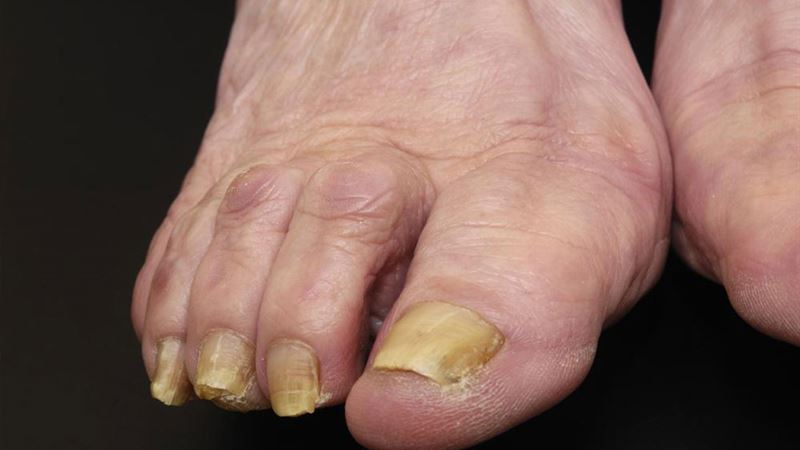
Dealing with nail fungus can be both uncomfortable and embarrassing, and many individuals seek safe, effective, and natural methods to eliminate this stubborn condition. While persistent cases may require medical intervention, numerous natural remedies have shown promising results in combating nail fungal infections. In this extensive guide, we will explore a wide array of natural treatments, discuss their benefits, and provide insights into how they can be incorporated into your daily routine for healthier, fungus-free nails.
**Understanding Nail Fungus**
Before diving into treatments, it's essential to understand what nail fungus (onychomycosis) is. It is caused by various fungal organisms that infect the fingernails or toenails, leading to thickening, discoloration, brittleness, and sometimes painful damage. Risk factors include poor hygiene, heavy sweating, damaged nails, compromised immune systems, and walking barefoot in communal areas.
Although medical antifungal treatments are widely used, they can have side effects or take time to show results. Therefore, many turn to natural remedies to supplement or, in some cases, replace conventional therapy. Let’s explore these options in detail.
**1. Vicks VapoRub: An Unexpected Solution**
VapoRub, a popular cough suppressant, has gained recognition as an off-label treatment for nail fungus. Its key ingredients, camphor and eucalyptus oil, possess antifungal and antimicrobial properties. Historically, Vicks VapoRub was not designed for fungal skin or nail issues; however, anecdotal evidence and some studies suggest it can be effective.
Research indicates that regularly applying Vicks VapoRub on infected nails can lead to improvement in many cases. To use it, clean and dry the affected nails thoroughly, then apply a small amount of the ointment once daily. Over time, with consistent application, signs of infection may diminish. Some studies estimate approximately a 20% success rate, making it a promising, readily available remedy for mild to moderate cases.
**2. Vinegar and Mouthwash: Creating an Fungal Hostile Environment**
Vinegar, particularly apple cider vinegar, is known for its acetic acid content, which can help inhibit fungal growth. Its acidic nature creates an environment that deters the proliferation of fungi.
Similarly, mouthwashes like Listerine contain active ingredients such as menthol and thymol, which have antifungal, antibacterial, and antimicrobial effects. Combining vinegar and mouthwash for soaking nails can be an effective strategy.
To use, mix equal parts of vinegar and mouthwash in a basin and soak your affected nails for approximately 30 minutes daily. Regular application can help diminish fungal colonies. Additionally, soak your feet or hands in this solution to improve overall efficacy.
**3. Snakeroot Extract: A Plant-Based Antifungal**
Snakeroot (Ageratina adenophora) extract originates from plants related to sunflowers and has been traditionally used for various fungal infections. Modern studies have demonstrated that snakeroot contains active compounds that possess potent antifungal properties.
In a clinical study, participants applied snakeroot extract to infected nails daily for three months. Findings showed significant reduction in fungal presence and nail health improvement. The extract is usually applied directly to the affected nails, with the treatment gradually tapering off as the infection subsides.
**4. Cornmeal: the Traditional Fungal Remedy**
Cornmeal, long used in gardening to eliminate fungal spots on plants, has been repurposed as a natural remedy for human fungal infections. Its antifungal properties seem to stem from the presence of certain compounds capable of inhibiting fungal growth.
To use, create a paste by mixing cornmeal with hot water, then allow it to cool. Soak your feet or hands in this mixture for 20-30 minutes daily. Consistent use over weeks has shown promising results for fungal eradication.
**5. Pau d’Arco Tea: South American Herbal Power**
Pau d’Arco, a tree native to South America, produces bark with potent antifungal and antimicrobial properties. Traditionally used by indigenous peoples, the bark contains compounds like lapachol and quercetin, making it effective against fungal infections.
Prepare a tea by steeping two tea bags of Pau d’Arco in hot water for 20 minutes. Soak your nails in this tea once daily. Laboratory studies support its antifungal effects, and many users report positive outcomes with regular use.
**6. Tea Tree Oil: Nature’s Antiseptic Oil**
Tea tree oil (Melaleuca alternifolia) is renowned for its antiseptic, antifungal, and anti-inflammatory properties. Multiple clinical studies have indicated its effectiveness in treating nail fungus.
Application involves soaking a cotton swab or small brush in tea tree oil and directly applying it to the affected nails twice daily. Always dilute pure tea tree oil with a carrier oil if sensitive skin or irritation occurs. Consistent application can lead to noticeable improvement over time.
**7. Oregano Oil: A Potent Antifungal Ally**
Oregano oil, rich in thymol and carvacrol, possesses strong antifungal effects, making it a popular natural remedy. A 2016 study highlighted thymol’s ability to inhibit fungal growth effectively.
Apply oregano oil with a cotton swab directly to the infected nail, twice daily. Avoid using it simultaneously with tea tree oil, as both may cause irritation or allergic reactions. Test patching is advised before regular use.
**8. Urea Paste: Softening and Removing Damaged Nail Tissue**
Urea, a compound available over the counter, helps dissolve diseased nail tissue, facilitating its removal. A 20% urea paste is typically used for this purpose.
Consult a dermatologist before application, as some individuals may have allergic reactions. The paste is applied to the affected nail, often under medical supervision, to soften the nail and promote fungal clearance.
**9. Garlic: The Natural Bactericide and Fungicide**
Garlic contains allicin, a compound with natural antifungal and antibacterial properties. It has been used across cultures to combat infections.
Chop garlic into small pieces and apply directly to the infected nail for at least 30 minutes daily. Alternatively, garlic supplements or capsules are available for those sensitive to the smell, providing an internal approach to infection fighting.
**Caution and Professional Consultation**
While these natural remedies can be effective, they are not guaranteed to work for every individual or severe case. Consulting with a healthcare professional is strongly recommended, especially if the infection persists, worsens, or causes pain. A dermatologist or podiatrist can evaluate your condition, recommend appropriate treatments, and may prescribe stronger medications if needed.
Proper foot and hand hygiene, regular cleaning, and avoiding walking barefoot in contaminated environments are crucial for preventing nail fungus and supporting treatment outcomes.
Conclusion
Nail fungus can be stubborn, but with patience and proper application of natural remedies, many individuals see improvement or complete recovery. Combining these treatments with good hygiene practices and professional advice offers the best chance for healthy, fungus-free nails. Embrace these natural options confidently, and watch as your nails regain their strength and beauty.