
Comprehensive Guide to Truck Factoring: Understanding Its Significance, Workflow, and Benefits
Truck factoring is a strategic financial solution for trucking companies, enabling them to access immediate cash by selling unpaid invoices. This guide covers its workflow, benefits, and importance in ensuring continuous operations, managing cash flow, and supporting growth. Ideal for small and medium-sized fleets, factoring helps overcome payment delays, reduces financial stress, and sustains business expansion. Understanding this process can give trucking firms a competitive edge in a demanding industry, making factoring an essential tool for financial stability and operational success.
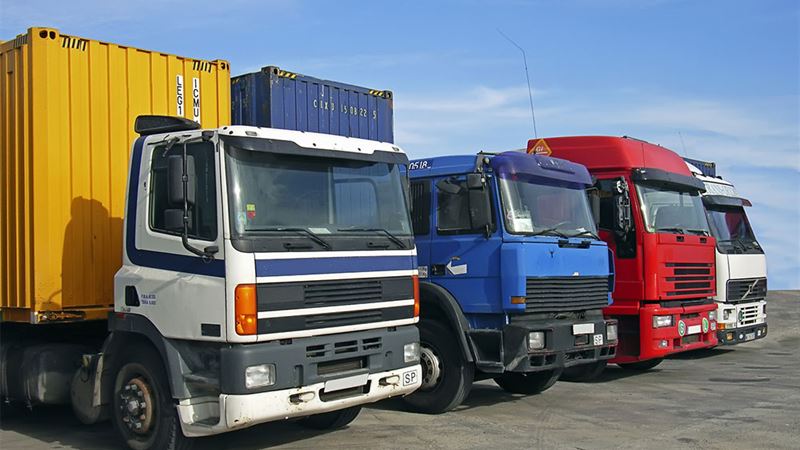
In the trucking industry, maintaining a healthy cash flow is essential for operational efficiency and growth. However, waiting for clients to settle invoices can hinder this process, leading to cash shortages and limiting the ability to capitalize on new opportunities. Truck factoring presents a viable financial solution that allows trucking companies to unlock funds tied up in unpaid invoices, providing vital liquidity when it's most needed. This financial arrangement is increasingly popular among small and medium-sized trucking firms aiming to stay competitive and sustain their day-to-day operations.
Factoring transforms the traditional payment cycle, enabling trucking businesses to receive immediate cash for outstanding invoices — a process that is quick, efficient, and tailored to supply chain demands. While a service fee is involved, the advantages of fast cash flow often outweigh the costs. Typically, the amount received via factoring can be slightly less than the invoice’s total because of the service fee, but this trade-off supports the financial stability of trucking companies by bridging income gaps and ensuring continuous operations.
Understanding How Truck Factoring Works
At first glance, the process of invoice factoring may seem complicated, but in reality, it is straightforward, involving a series of clear steps carried out among three key parties: the trucking company, the customer (or client), and the factoring institution. Here's a detailed overview of the process:
- The process begins when a client requires transportation services for goods or cargo. The client is seeking a reliable trucking company to execute this delivery efficiently.
- Once the trucking company agrees to handle the transportation, it conducts a credit check on the client with the factoring company. This step is crucial to determine whether the client’s invoice qualifies for factoring—assessing creditworthiness and payment reliability.
- If approved, the trucking firm submits the relevant invoice documentation, including proof of services rendered, to the factoring company. These documents serve as the basis for the factoring transaction.
- Subsequently, the factoring company evaluates the invoice and, if everything is in order, advances a significant portion of the invoice amount—often around 80-90%—to the trucking company. This immediate infusion of cash helps cover ongoing expenses.
- Over time, the factoring company assumes the responsibility of collecting the full invoice amount directly from the client. Once the client settles the invoice, the remaining balance, minus the factoring service fee, is remitted to the trucking business.
Why Do Trucking Companies Rely on Factoring?
Factoring has become an essential financial tool for many trucking companies, especially small to medium-sized operations that encounter various cash flow challenges. Here are some compelling reasons why trucking firms turn to factoring:
- New trucking businesses often face immediate financial demands, such as fuel payments, toll charges, maintenance costs, and equipment upgrades. Since these expenses must be paid upfront, factoring provides quick access to cash without waiting for clients’ payment cycles to complete.
- Many small transportation firms struggle to qualify for bank loans due to lack of credit history, collateral, or other eligibility criteria. Factoring offers an alternative funding source that doesn’t require traditional collateral or credit checks, making it accessible for newer or smaller companies.
- Invoice payments generally take 30 to 90 days to be received, which can create cash flow bottlenecks. Managing multiple client accounts payable manually or through additional administrative staff can be cumbersome. Factoring streamlines this process by providing prompt funds, allowing companies to focus on growing their operations instead of chasing late payments.
- As the business expands, the need for immediate working capital becomes critical to hiring new drivers, acquiring additional trucks, or investing in technology and infrastructure. Factoring helps bridge this gap, offering flexible cash flow solutions that adapt to the company’s growth trajectory.
- Furthermore, factoring enables trucking firms to maintain good relationships with clients by delivering consistent service without delays caused by cash flow issues. It’s a strategic financial approach that supports operational stability and scalability.
In conclusion, trucking company factoring is a versatile financial tool that addresses cash flow challenges efficiently. By converting unpaid invoices into immediate cash, trucking firms can sustain daily operations, expand their capacity, and remain competitive in a fast-paced industry. Whether for managing seasonal fluctuations, dealing with slow-paying clients, or funding growth initiatives, factoring proves to be an indispensable part of modern transportation financial strategy. Embracing this method can significantly enhance a trucking business’s financial health and operational resilience in today's dynamic logistics environment.