
Comprehensive Guide to Language Translators: Advantages and Key Selection Tips
Explore the advantages of translation devices, including real-time translation, portability, and improved cross-cultural communication. Learn essential tips to select the perfect device based on translation quality, AI features, device type, battery life, and ease of use. Whether for travel, business, or learning new languages, find out how to choose the right language translator to meet your needs effectively and enjoy seamless multilingual interactions.
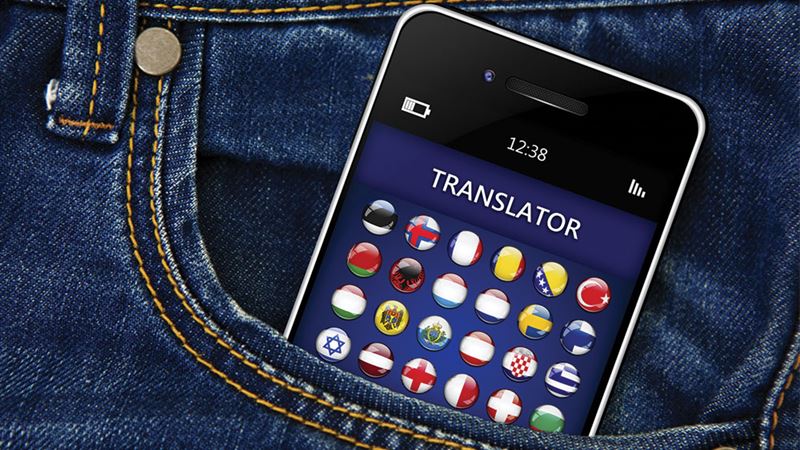
In today’s interconnected world, effective communication across language barriers has become more essential than ever. Language translation devices are revolutionary tools that facilitate seamless conversations between speakers of different languages, making travel, international business, and cultural exchanges considerably easier. These devices offer real-time translation with remarkable speed and accuracy, eliminating the need for interpreters or manual translation, and thus saving both time and resources. Whether you're a traveler, a business professional, or someone eager to learn new languages, selecting the right translation device can significantly enhance your experience and efficiency.
Advantages of Using a Translation Device
One of the primary benefits of using a translation gadget is the ability to translate multiple languages simultaneously. This means that as you converse, the device can interpret what you and your conversation partner are saying, translating it instantly into your desired language. The quick turnaround time ensures interactions flow naturally without awkward pauses or delays. This smooth communication fosters better understanding, especially in situations where language differences could hinder meaningful engagement.
Another notable advantage is portability. Modern translation devices are designed to be lightweight and compact, so you can carry them effortlessly during travels or work trips. Their user-friendly interface makes them accessible to people of varying ages and tech-savviness, ensuring everyone can benefit from their functionalities.
Furthermore, these devices improve cross-cultural communication by accurately capturing idiomatic expressions, slang, and contextual nuances—something traditional translation apps might struggle with. They are also invaluable in emergency scenarios, where quick understanding could be life-saving.
How to Choose the Perfect Translation Device
With a broad spectrum of options available in the market, picking the most suitable language translator can be quite overwhelming. To simplify your decision-making process, consider the following critical factors:
Advantages of Using a Translation Device
One of the primary benefits of using a translation gadget is the ability to translate multiple languages simultaneously. This means that as you converse, the device can interpret what you and your conversation partner are saying, translating it instantly into your desired language. The quick turnaround time ensures interactions flow naturally without awkward pauses or delays. This smooth communication fosters better understanding, especially in situations where language differences could hinder meaningful engagement.
Another notable advantage is portability. Modern translation devices are designed to be lightweight and compact, so you can carry them effortlessly during travels or work trips. Their user-friendly interface makes them accessible to people of varying ages and tech-savviness, ensuring everyone can benefit from their functionalities.
Furthermore, these devices improve cross-cultural communication by accurately capturing idiomatic expressions, slang, and contextual nuances—something traditional translation apps might struggle with. They are also invaluable in emergency scenarios, where quick understanding could be life-saving.
How to Choose the Perfect Translation Device
With a broad spectrum of options available in the market, picking the most suitable language translator can be quite overwhelming. To simplify your decision-making process, consider the following critical factors:
- Translation Quality: The foremost aspect is the accuracy of translation. A device that provides precise interpretations ensures clear communication. Test the device’s translation capabilities or read user reviews to gauge performance. Also, verify the number of languages supported, especially if you plan to use it in multiple regions.
- Artificial Intelligence (AI) Capabilities: An AI-powered device can discern between accurate and inaccurate translations. It adapts to different accents and dialects, improving its performance over time. AI integration leads to more natural-sounding translations and better contextual understanding, making your interactions smoother.
- Device Type: Decide between app-assisted and standalone devices. App-assisted translators require a compatible smartphone and operate through specific apps. They are often more affordable and update regularly. Standalone devices, on the other hand, work independently once charged, providing portability and convenience without dependence on a smartphone. Consider your usage scenario and choose accordingly.
- Battery Life: Long-lasting battery performance is crucial, especially when traveling or in remote locations. A device with at least 2500 mAh capacity can sustain extended use. Always check battery life specifications before making a purchase to avoid interruptions during critical conversations.
- Ease of Use: The interface should be intuitive. Devices with menus and settings in your native language help reduce confusion. Look for models with large, clear screens and simple navigation menus, especially if you’re not tech-savvy.
- Voice Command Functionality: Voice control adds a layer of convenience, allowing you to operate the device hands-free. Commands such as “translate to French” or “switch to Japanese” can streamline your interactions, especially in fast-paced environments.