Learn comprehensive methods for tracking cell phones and identifying phone owners using advanced GPS, IMEI, and reverse lookup services. Discover how these tools are used for personal safety, criminal investigations, and verification, all while emphasizing responsible usage and legal compliance.
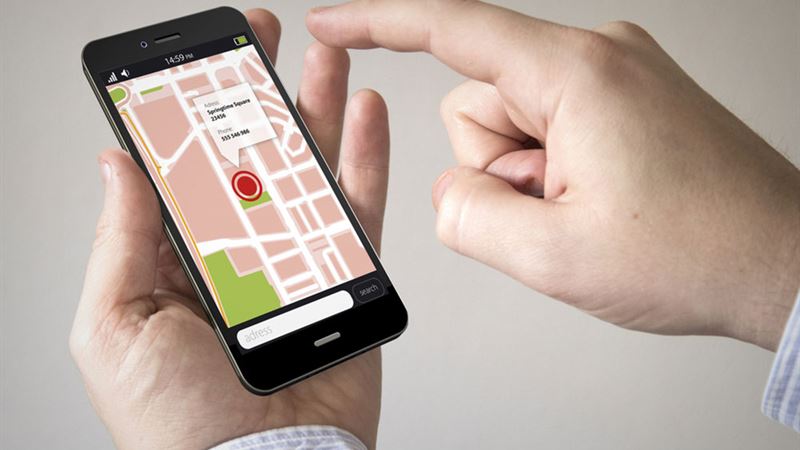
In today's digital age, tracking the location of cell phones and discovering the identities behind phone numbers have become increasingly accessible thanks to advanced technology. With the integration of GPS and IMEI tracking tools, locating a mobile device can be achieved with remarkable precision and ease. These tools have revolutionized the way individuals, businesses, and law enforcement agencies monitor and safeguard mobile assets.
Cell phone location tracking is now more straightforward than ever, relying on GPS-enabled applications that do not necessarily demand a constant internet connection. These applications leverage satellite signals to pinpoint device locations accurately. Whether you're trying to find a lost phone or verify the whereabouts of someone, GPS tracking offers real-time information and peace of mind.
On the other hand, reverse lookup services have made it possible to identify the owner of a particular phone number and assess its associated location. These services compile extensive databases of phone number records, making it easier to gather intelligence about unknown callers or potential scam contacts. Platforms like Truecaller are popular choices that provide insights into caller demographics and help you identify suspicious or unfamiliar numbers.
Understanding how to trace a phone number involves exploring various tools and legal considerations. Numerous apps and online services facilitate phone number tracking, some of which are free, while others offer premium features for enhanced accuracy and additional details. When selecting a tracking service, it is essential to ensure that it operates within legal frameworks to respect individual privacy rights.
Beyond simple location tracking, IMEI numbers have become vital tools used by authorities worldwide. The IMEI (International Mobile Equipment Identity) is a unique identifier for each mobile device, enabling the tracking of stolen or lost phones. Law enforcement agencies frequently utilize IMEI tracking to locate criminals, recover stolen property, and conduct criminal investigations. For individuals, keeping a record of the IMEI number can prove invaluable in case of theft or loss, allowing quick activation of tracking features to recover the device.
Call tracking software also plays a significant role in security and fraud prevention. These tools can help identify the origin of incoming calls, trace scam numbers, and gather evidence during criminal investigations. For businesses, call tracking can optimize marketing strategies, monitor employee calls, and improve customer service by analyzing call data.
While the technology is powerful, it is crucial to use these tools responsibly and ethically. Always ensure that your tracking activities comply with local laws and regulations to avoid privacy violations. Whether for personal safety, business operations, or law enforcement purposes, the right choice of technology combined with legal adherence can provide significant benefits.
In summary, the ability to track cell phones and identify owners via phone numbers has advanced dramatically. From GPS apps that locate devices in real-time to reverse lookup services that reveal caller information, technology offers numerous solutions. For safety, security, and investigative purposes, having access to IMEI tracking and call monitoring tools can be a game-changer. Think wisely, act responsibly, and leverage these features to protect yourself and your interests effectively.
