
Essential Guide to Selecting the Perfect Epinephrine Auto-Injector for Your Allergic Needs
This comprehensive guide offers essential tips on selecting and properly using epinephrine auto-injectors, highlighting the importance of consultation with healthcare professionals, correct storage, and emergency preparedness. Learn how to choose the right device, practice its use, and ensure safety in allergy emergencies to safeguard lives effectively.
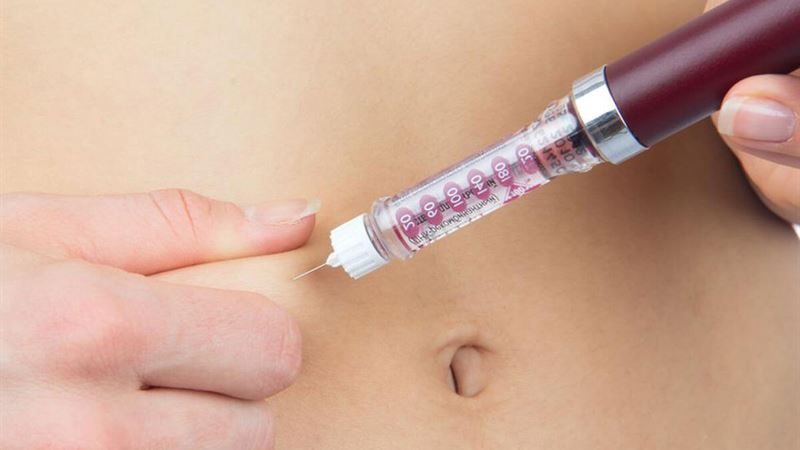
Living with severe allergies means being prepared for life-threatening reactions at any moment. The ability to administer immediate treatment via an epinephrine auto-injector can be the difference between life and death. Quick access and correct usage are crucial, as delays or improper administration can lead to fatal outcomes. The importance of understanding your medication and knowing how to use it cannot be overstated. This comprehensive guide provides vital insights to help you choose the right epinephrine pen, ensure proper usage, and store it safely.
Auto-injectors containing epinephrine are designed to rapidly counteract severe allergic reactions, such as anaphylaxis. These life-saving devices deliver a controlled dose of medication directly into the muscle, typically the thigh, providing prompt relief. Because allergic emergencies can occur unexpectedly, carrying two epinephrine auto-injectors is highly recommended, as advised by the Food Allergy Research & Education (FARE). Having immediate access to the medication is essential to prevent the progression of life-threatening symptoms like airway swelling, breathing difficulties, and sudden drops in blood pressure.
Many individuals assume all epinephrine auto-injectors are interchangeable or identical, but this is a misconception. Although the dosage of epinephrine remains consistent across different brands, variations exist in device design, instructions for use, and features. Selecting the right device depends on understanding these differences and consulting with your healthcare provider to ensure you are prepared to use it accurately during an emergency.
Key factors to consider when choosing an epinephrine auto-injector include the brand, ease of use, and availability. It's vital to communicate with your doctor about which device is best suited for your specific needs, considering factors such as age, strength requirements, and dexterity. Your healthcare provider can recommend a device that matches your allergy severity and physical ability to operate it efficiently.
Once prescribed, it’s crucial to understand how to operate your auto-injector. This involves detailed training from your healthcare provider, including demonstration, supervised practice, and answering any questions. Ask your doctor for comprehensive instructions and, if possible, request instructional videos or resources provided by the manufacturer to familiarize yourself with the device.
When obtaining your prescription, ensure that the pharmacy accurately records the specific brand and model you have been prescribed to avoid confusion. Clarify with the pharmacist whether the product is in stock and confirm its expiration date. Never assume substitution with a different brand unless approved by your healthcare provider, as different devices may have unique activation mechanisms or dosage instructions.
Proper storage of epinephrine auto-injectors is essential to maintain their effectiveness. Avoid storing the device in extreme temperatures, especially inside a vehicle, where heat can degrade the medication. Instead, keep it in a cool, dark place, such as a purse or a dedicated first-aid kit. Remember, the medication is sensitive to light and temperature, and exposure to heat or freezing conditions can compromise its potency.
Prior to use, read all manufacturer instructions carefully to understand how to activate and administer the injection properly. Practice using trainer devices or demo units until the process becomes second nature. Make it a point to teach family members, caregivers, or friends about emergency administration to ensure prompt action if needed. During a real allergy attack, prompt and correct use of the auto-injector can significantly improve survival chances.
The actual injection should be performed in the outer thigh for optimal absorption. The device can sometimes be used through clothing, but always verify instructions as some brands may have specific guidelines. After administering the medication, avoid removing the device immediately; hold it in place for the duration specified in the instructions to ensure full delivery. Remember, the effects of epinephrine are rapid but temporary—call emergency services immediately after injection to ensure further medical care.
Regularly check your auto-injector for expiration date and physical condition. If you notice discoloration or damage, replace the device promptly. Do not attempt to refreeze or refrigerate unless explicitly instructed by the manufacturer. Proper disposal of expired or used devices is also essential; follow local medical waste guidelines to discard used needles and devices responsibly.
Choosing the right epinephrine auto-injector involves understanding your unique needs, consulting with your healthcare provider, and practicing proper usage and storage. Equipping yourself with the correct device and knowledge ensures you're prepared for allergic emergencies, potentially saving your life or the life of someone you care for. Stay informed, stay prepared, and ensure you have immediate access to this vital medication during critical moments.