
Comprehensive Guide to Different Types of Reference Maps and Their Uses
Explore the comprehensive types of reference maps and their various applications. From political boundaries and physical landscapes to geologic and time zone maps, this guide explains how each map type serves specific needs. Learn how advances in technology have made map access easier and how these tools are vital in navigation, planning, and geographic analysis for professionals, students, and travelers alike.
What Are Reference Maps?
Reference maps, also known as general-purpose maps, are designed to depict basic geographic features and boundaries. They serve as foundational tools for understanding spatial relationships and provide a broad overview of a region. Unlike thematic maps, which focus on specific data such as climate or population, reference maps encompass a wide range of features including political boundaries, physical landscapes, transportation networks, and more. They are widely used in education, urban planning, navigation, and research, making them indispensable in daily life.
Types of Reference Maps and Their Specific Functions
- Political Maps: These maps emphasize human-made boundaries such as countries, states, provinces, and municipalities. They often include details like capital cities, major cities, and water bodies such as oceans and lakes. Political maps are commonly used in schools for geography lessons, in government for boundary delineation, and by travelers to orient themselves within different regions.
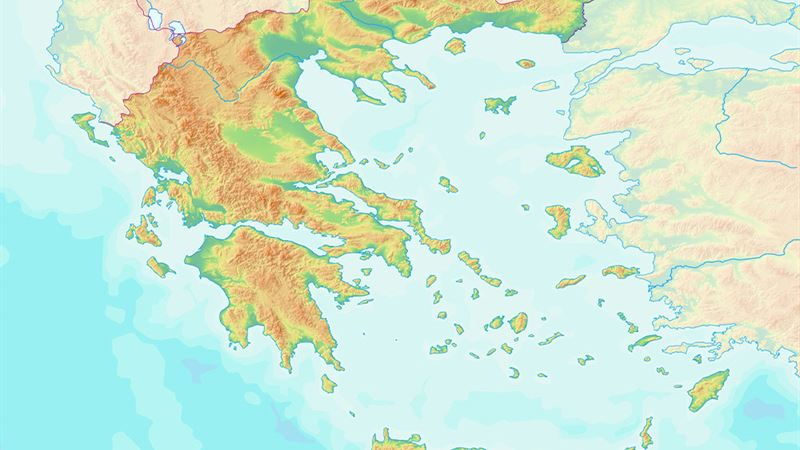
- Physical Maps: These illustrate the natural features of the Earth's surface, highlighting landforms like mountains, valleys, plains, and water features such as rivers and lakes. Typically, physical maps employ color coding—blue for water, green for lowlands, brown for higher elevations—to help users visualize terrain and topography. They are useful for environmental studies, hiking, and geological exploration.
- Road and Transportation Maps: As the name suggests, these maps display roads, highways, streets, and various transportation routes. Platforms like Google Maps are prime examples, providing detailed navigation aids for drivers, cyclists, and pedestrians. They help users find directions, locate points of interest such as restaurants, hospitals, and transit stations, and plan journeys efficiently.
- Topographic Maps: These maps focus on the detailed physical features of the terrain using contour lines to represent elevation changes. Unlike physical maps, which use color gradients, topographic maps employ contour lines, enabling hikers, surveyors, military personnel, and outdoor sports enthusiasts to understand terrain elevation, slope steepness, and landforms.
- Time Zone Maps: These maps divide the world into different regions based on Standard Time zones. They are invaluable for international communication, scheduling, and business operations, helping users determine the time difference between locations across the globe. Time zone maps are given in different colors and numbered zones for quick reference.
- Geologic Maps: Focused on Earth's subsurface features, geologic maps depict types and distribution of rocks, sediments, and mineral deposits. They use color coding to indicate different mineral compositions and formations. These maps are crucial for construction planning, resource extraction, and environmental management, created by geologists to analyze the land's structural composition.
- Zip Code Maps: These maps outline postal zones divided by ZIP codes, facilitating mail delivery and demographic analysis. They overlay postal boundaries on street maps to assist postal services and enable businesses to target marketing campaigns based on specific ZIP code data, including income levels, population density, and residential patterns.
Advances in digital technology have made accessing these maps easier than ever. Many maps are available online via search engines, specialized map providers, and GPS applications. Additionally, traditional atlases, printed maps, and local libraries remain valuable resources for detailed exploration.
Reference maps profoundly enhance our understanding of geographic spaces, assisting in navigation, scientific research, urban development, and even emergency planning. Most modern GPS systems integrate multiple types of reference maps seamlessly, often without users realizing the extensive underlying geographic information they rely on daily.