
Comprehensive Guide to Shoulder Pain: Causes, Symptoms, and Effective Treatments
This extensive guide explores the various causes, symptoms, and treatments of shoulder pain. It covers shoulder anatomy, common disorders like rotator cuff injuries, arthritis, and fractures, along with practical home remedies and professional treatment options. Emphasizing early diagnosis and intervention, the article provides valuable advice on managing shoulder discomfort, ensuring effective recovery, and preventing future problems for overall shoulder health and mobility.
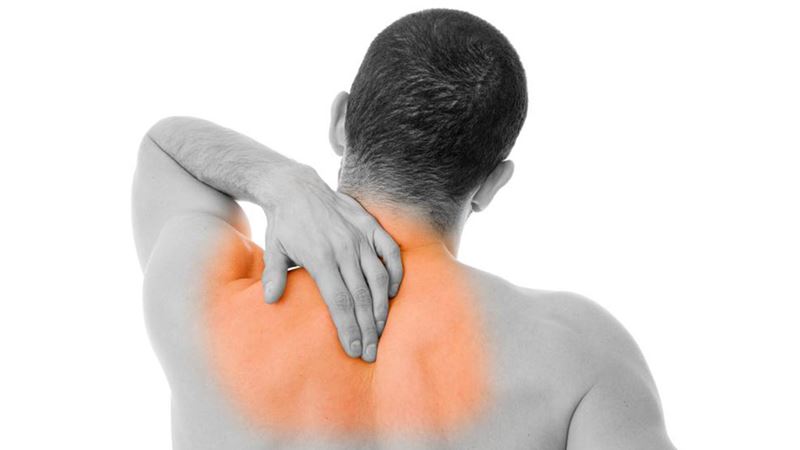
Shoulder discomfort can range from mild soreness to severe pain that hampers daily activities. While occasional aches may resolve on their own, persistent or intense shoulder pain often requires medical intervention. Understanding the anatomy of the shoulder is crucial for diagnosing and treating different types of shoulder injuries and conditions. This comprehensive guide delves into the shoulder's structure, common causes of pain, symptoms to watch for, and various treatment options, including both home remedies and medical procedures, to help you regain shoulder strength and mobility.
The Anatomy of the Shoulder
The shoulder joint is one of the most flexible and complex joints in the human body, composed of several bones, muscles, tendons, and ligaments working together to facilitate a wide range of motion. To understand shoulder pain better, a detailed knowledge of its anatomy is essential. The primary bones involved include:
- Humerus: The upper arm bone that forms the ball of the shoulder joint.
- Scapula: Known as the shoulder blade, it provides the socket that holds the head of the humerus.
- Clavicle: The collarbone that stabilizes the shoulder and connects it to the sternum.
The socket of the shoulder is called the glenoid cavity, a shallow depression in the scapula where the head of the humerus fits snugly. The stability of this joint depends heavily on muscles and tendons.
One of the most critical components supporting shoulder stability is the rotator cuff, a collection of muscles and tendons encasing the shoulder joint, attaching the humerus to the scapula. The rotator cuff ensures smooth movement and keeps the humeral head securely positioned within the glenoid socket. Damage or inflammation of these structures often results in shoulder pain and limited mobility.
**Common Shoulder Disorders**
There are several prevalent conditions that cause shoulder pain:
- Tendon injuries: Tendinitis or tears in the tendons, often affecting the rotator cuff.
- Dislocation and instability: When the ball of the shoulder pops out of the socket, leading to chronic instability.
- Fractures: Broken bones in the clavicle, humerus, or scapula typically caused by trauma.
- Arthritis: Degenerative joint disease that causes inflammation and pain.
**Rare Causes of Shoulder Pain**
In some cases, shoulder pain may have less common origins, such as:
- Tumors: Abnormal growths in or near the shoulder joint.
- Infections: Bacterial or viral infections affecting the bones or joints.
- Nerve issues: Pinched or damaged nerves around the shoulder leading to radiating pain.
Diagnosis and Treatment Strategies
Proper diagnosis of shoulder pain involves physical examinations, imaging tests like X-rays or MRIs, and assessment of symptoms. Based on the underlying cause, treatment strategies can vary from conservative approaches to surgical interventions.
**Home and Non-Surgical Remedies**
For minor injuries or early-stage issues, home remedies can effectively alleviate pain and promote healing. It’s important to follow medical advice for persistent or severe cases to prevent long-term damage.
**Conservative Treatment Options**
- Rest and activity modification
- Applying ice packs to reduce inflammation
- Use of anti-inflammatory medications
- Physical therapy and targeted exercises
- In certain cases, minimally invasive procedures like joint distension procedures
Detailed Look at Treatment Options
1. **Activity Modification**: Avoid activities that exacerbate shoulder pain such as overhead lifting or extensive arm stretching. Rest allows inflamed tissues to recover and reduces further injury.
2. **Ice Therapy**: Applying ice packs for 15-20 minutes every few hours can significantly reduce pain and swelling by constricting blood vessels and decreasing inflammation. Always wrap the ice in a cloth to prevent skin burns.
3. **Physiotherapy**: Skilled physical therapy plays a critical role in shoulder rehabilitation. Regimen may include muscle strengthening exercises, stretching routines, and manual therapy. Building shoulder stability and increasing range of motion are vital components of recovery.
4. **Medications**: Non-steroidal anti-inflammatory drugs (NSAIDs) like ibuprofen or naproxen can help manage pain and inflammation but should be taken under medical supervision.
5. **Surgical Interventions**: In severe cases such as large rotator cuff tears or complex fractures, surgery may be necessary. Procedures include arthroscopic repairs, shoulder replacement, or realignment surgeries, performed by orthopedic specialists.
**Home-Based Strategies for Shoulder Pain Relief**
For mild pain, simple home remedies can offer relief and support healing:
- Keep the Elbows Close: Maintaining elbows close to the body reduces shoulder strain during pain episodes.
- Gentle Range-of-Motion Exercises: Exercises like the "Tiny Spider" stretch can improve mobility without overstressing the joint.
- Use Supportive Devices: Arm slings or cushions can temporarily support the shoulder, but should not be used long-term as they may weaken muscles.
**The Importance of Staying Active**
While resting the shoulder is sometimes essential, maintaining gentle movement is crucial to prevent muscle atrophy and joint stiffness. Overly immobilizing the shoulder can lead to prolonged weakness and stiffness, hindering full recovery.
**Practical Tips for Managing Shoulder Pain**
- Always consult a healthcare professional before starting any treatment plan.
- Avoid activities that cause or worsen pain.
- Incorporate regular, gentle stretching and strengthening exercises to support joint stability.
- Prioritize proper posture in daily activities to minimize undue stress on the shoulder.
- Use supportive braces or straps if recommended by your doctor for added stability.
**When to Seek Medical Help**
If shoulder pain persists beyond a few days, worsens despite home measures, or is accompanied by severe swelling, numbness, or weakness, seek medical attention promptly. Early intervention can prevent further damage and facilitate quicker recovery.
**Conclusion**
Shoulder pain can stem from a variety of causes, ranging from minor strains to significant structural injuries. A clear understanding of shoulder anatomy and timely treatment—be it home remedies, physiotherapy, or surgery—is crucial for recovery. If symptoms persist or worsen, always seek professional medical advice to ensure proper diagnosis and effective treatment. Maintaining shoulder health through regular exercises and proper posture can help prevent future issues and preserve mobility for years to come.