
Comprehensive Guide to Recognizing and Identifying Melanoma Early
This comprehensive guide emphasizes the importance of early melanoma detection through visual cues and the ABCDE rule. Recognizing asymmetry, border irregularities, varied colors, size, and changes over time can save lives. Regular skin checks and professional evaluations are crucial as early-stage melanoma is highly treatable. Learn to identify warning signs with helpful images and seek prompt medical help if suspicion arises. Prevention through sun protection measures is also discussed, making this a vital resource for anyone concerned about skin cancer risks.
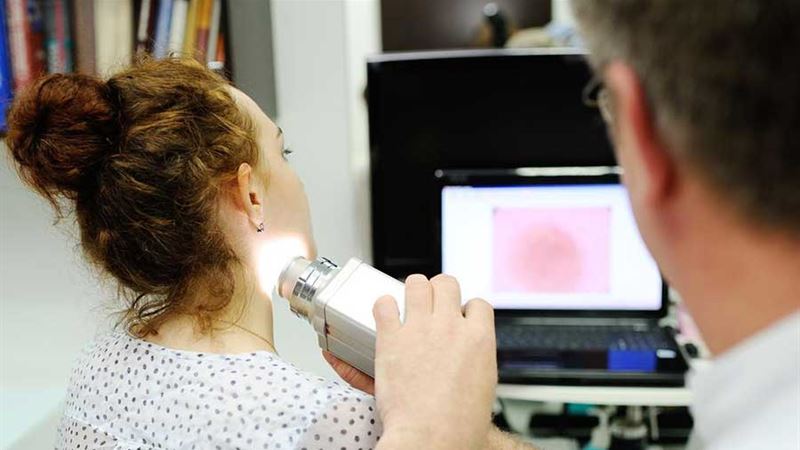
Melanoma is one of the most serious forms of skin cancer, known for its ability to rapidly spread if not detected early. Early diagnosis is crucial for successful treatment and improved prognosis. Recognizing the warning signs of melanoma can be life-saving, and understanding the visual cues helps in timely medical intervention. The appearance of suspicious skin lesions often varies, but certain features may stand out, prompting further medical examination.
Early detection of melanoma relies heavily on visual inspection. Several criteria and patterns have been established by dermatologists to help the public identify potential melanoma spots on the skin. Among these, the most well-known is the ABCDE rule, which serves as a helpful guide to distinguish benign moles from potentially dangerous melanomas. This guide details each criterion, providing comprehensive insight to assist you in monitoring your skin effectively.
- A for Asymmetry: One of the most telling signs of melanoma is asymmetry. When dividing a mole or skin spot down its center, if the two halves do not match exactly, it could be a warning sign. Symmetric moles are generally benign, while asymmetrical ones warrant closer attention and professional evaluation.
- B for Border: The edges of melanoma lesions are often irregular, blurred, notched, or ragged. Unlike benign moles which tend to have smooth, even borders, irregular borders can indicate abnormal growth. This visual irregularity is a critical sign of potential melanoma and must be examined by a dermatologist.
- C for Color: Benign moles typically have a uniform color, usually a shade of brown. In contrast, melanoma may display multiple colors within the same lesion, including black, brown, blue, red, pink, or white. The presence of varied pigmentation is an important warning sign that suggests malignant changes.
- D for Diameter: Melanomas are often larger than 6 millimeters in diameter, roughly the size of a pencil eraser. However, some melanomas can be smaller initially. Any new or changing lesion larger than this size should be evaluated promptly.
- E for Evolving: Changes over time are a strong indicator of melanoma. This includes alterations in size, shape, color, or elevation. If a mole or skin lesion appears to be growing, darkening, or changing in any way, immediate consultation with a healthcare professional is advised.
Understanding these warning signs is vital for early detection. However, recognizing melanoma images and comparing them with your skin lesions can further reinforce awareness and prompt action. It's essential to adopt a proactive approach; perform regular skin checks, especially if you have risk factors like excessive sun exposure, fair skin, or a family history of skin cancer.
In cases where melanoma is suspected, medical intervention is necessary. Treatment options vary based on the stage of the cancer and may include surgical removal, targeted therapies, immunotherapy, chemotherapy, and even radiotherapy. Early-stage melanomas are highly treatable, emphasizing the importance of early detection and prompt treatment.
Preventive measures are also critical in reducing risk. Using broad-spectrum sunscreens, avoiding excessive sun exposure, wearing protective clothing, and avoiding tanning beds can significantly lower the chances of developing melanoma. Regular self-examinations and dermatological check-ups play an essential role in early identification of suspicious lesions.
Visual aids such as melanoma image galleries can be extremely helpful for education and awareness. Familiarizing oneself with common melanoma presentations can aid in prompt recognition and increase the likelihood of early diagnosis. If any lesion exhibits signs aligned with the ABCDE criteria or shows noticeable changes, seeking immediate medical assessment is crucial.
In conclusion, being vigilant about skin changes and understanding the key warning signs of melanoma can dramatically improve treatment outcomes. Always consult healthcare professionals for definitive diagnosis and personalized treatment plans. Early detection saves lives, so stay informed, perform regular skin exams, and don't hesitate to seek expert advice when in doubt. The combination of public awareness, early recognition, and timely medical intervention forms the cornerstone of effective melanoma management and survival.