
Comprehensive Guide to Causes, Symptoms, and Effective Treatments for Nail Fungus
This comprehensive guide delves into the causes, symptoms, and proven treatments for nail fungus. It highlights risk factors like moisture, poor hygiene, and existing health conditions, while describing key symptoms including discoloration, thickening, and nail detachment. Effective home remedies like apple cider vinegar, baking soda, and mouthwash are explained with detailed instructions. Early diagnosis and proper hygiene are emphasized to prevent the spread. The article aims to educate readers on preventing and managing nail fungus for healthier nails and improved quality of life.
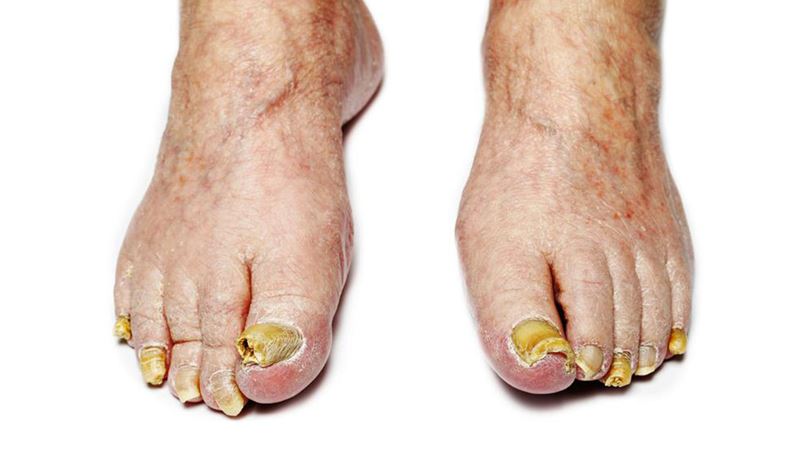
Recognizing the Symptoms of Nail Fungus
Nail fungus can affect any part of the nail structure. While sometimes only a small portion is affected, severe cases may involve the entire nail and adjacent areas. If left untreated, the infection can spread to other nails or skin. Being vigilant about symptoms allows for early intervention.
Common signs indicating nail fungus include:
- Subungual hyperkeratosis, characterized by thickening and scaling beneath the nail plate, often leading to discomfort and deformity.
- The edges of the nail or the tips may begin to crumble or fray, a condition known as distal onychomycosis.
- Formation of white or yellow streaks or lines running laterally across the nail surface, indicative of lateral onychomycosis.
- Areas of white discoloration, often flaky and causing pits or depressions in the nail surface.
- Yellow spots near the base of the nail, referred to as proximal onychomycosis, which may be an early sign of infection.
- Detachment or lifting of the nail from the nail bed, sometimes leading to complete loss of the nail.
- A foul odor emanating from the infected nail, especially in advanced cases.
- Thickened, brittle nails prone to breaking or splitting easily.
- In severe infections, the entire nail can detach and fall off entirely, leaving the nail bed exposed.
Strategies for Eliminating Nail Fungal Infections
Apple Cider Vinegar
Due to its mildly acidic nature, apple cider vinegar possesses antifungal properties that can help combat nail infections and prevent fungi from spreading further. To utilize this remedy, mix equal parts of apple cider vinegar and water, then soak your affected nails in this solution for approximately 30 minutes daily. After soaking, ensure your nails are thoroughly dried to prevent moisture retention. Additionally, creating a paste by combining apple cider vinegar with rice flour can serve as an exfoliating treatment—applying it to the infected nail and gently scrubbing can remove dead skin cells and foster healing.
Baking Soda
Baking soda serves as a natural antifungal and odor neutralizer. Easily accessible and inexpensive, it can be used to treat persistent nail infections. Mix half a cup of baking soda, a full cup of hydrogen peroxide, and some Epsom salt to prepare a soak. Immerse your feet or hands in this solution for about thirty minutes. Washing and thoroughly drying the nails afterward enhances effectiveness. Regular application, preferably once daily, can promote recovery and prevent reinfection.
Mouthwash
Mouthwash contains antiseptic compounds capable of killing fungi and bacteria, making it a viable topical treatment for nail fungus. To use mouthwash, dilute equal parts of Listerine or another antimicrobial mouthwash with water, then soak the infected nails for 30 minutes. Gently scrub the surface of the nails to increase contact with the antimicrobial agents. Rinse and dry the nails completely. Consistent twice-daily use can significantly improve symptoms over time and inhibit fungal growth.