
Comprehensive Guide to Artificial Stone Wall Panel Expenses and Installation Procedures
This comprehensive guide explores artificial stone wall panel costs, from material choices to installation procedures. It covers DIY options and professional installation, ensuring homeowners understand expenses, preparation, and techniques to achieve stunning results efficiently and affordably. Learn how to select the right panels, budget for accessories, and get expert tips for durable, attractive stone-like walls in both indoor and outdoor settings.
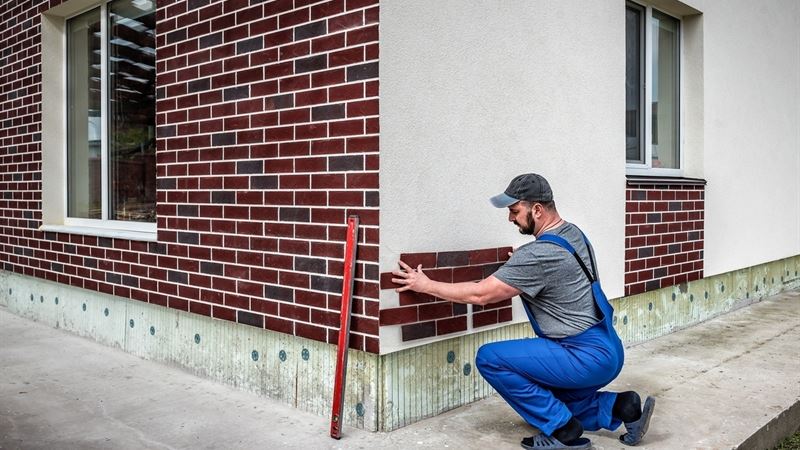
Estimating the Cost of Artificial Stone Wall Panels
The price of artificial stone wall panels can fluctuate widely depending on several critical factors, including material type, quality, brand reputation, and purchase location. Accurate budgeting requires understanding these variables so that you can select the best options suited to your aesthetic preferences and financial plan. Here, we examine the main elements that influence the overall expenses.
Material Choices and Price Range
The core component of your project, the panels themselves, come in various materials, each with its own price points and characteristics:
- Polyurethane Panels: Known for their lightweight nature and ease of installation, polyurethane panels tend to be the most budget-friendly option. They generally cost between $6 and $12 per square foot. These panels are crafted to mimic natural stone textures and are highly versatile, suitable for covering large areas quickly while maintaining their structural integrity over time.
- Fiber Cement Panels: Combining durability with realistic stone aesthetics, fiber cement panels are a slightly more substantial option, ranging from $8 to $14 per square foot. They are resistant to moisture, insects, and fire, making them an excellent choice for outdoor applications or humid environments. Their detailed textures enhance the natural appearance of the stone.
- Polystyrene Panels: The most economical among the options, polystyrene panels are typically priced from $5 to $10 per square foot. While they offer easier handling and installation, their durability and realistic appearance may be less refined compared to polyurethane or fiber cement counterparts. They serve well for decorative indoor projects or temporary installations.
Factors Affecting Price Beyond Material
In addition to the basic material costs, several other elements influence the final expense:
- Brand Reputation and Quality Level: Premium brands with a reputation for durability, detailed textures, and high-quality finishes generally command higher prices. Investing in higher-grade panels ensures longevity and a polished visual effect, which might save money on replacements or repairs later.
- Order Quantity and Size: Larger projects may benefit from bulk discounts, but this also increases initial costs. Precise measurement and planning are essential for cost estimation and reducing waste.
- Shipping and Handling: The weight and size of your order influence shipping fees, which can range from $100 to over $500, especially for large or heavy shipments. Planning for these costs is vital to avoid surprises during the procurement process.
- Customization and Special Features: If your project calls for custom colors, textures, or intricate patterns, expect additional charges. Custom orders often require specialized manufacturing, which adds to the overall budget.
Installation Cost Breakdown
Installing artificial stone wall panels professionally ensures a polished look and long-lasting results but adds to your initial investment. Let's explore the key components that constitute installation expenses.
- Labor Charges: The cost of hiring professionals varies based on regional rates and project complexity. On average, professional installation ranges between $7 and $15 per square foot. Factors like wall irregularities, the need for structural modifications, or large scale projects can increase labor costs.
- Tools and Supplies: Essential installation supplies include adhesives, sealants, fasteners, screws, and potentially specialized cutting tools. Budget around $50 to $150 for adhesives and sealants, with additional costs for fasteners ($10-$50) and power tools or blades ($50-$100) if you decide on a do-it-yourself approach.
Step-by-Step Installation Process
Proper installation is fundamental to achieving a professional-grade result. The process generally involves several stages:
- Pre-Installation Planning: Accurate measurement and layout are critical. Measure the wall area meticulously, accounting for windows, doors, and outlets to determine the exact amount of material needed. Creating a detailed plan minimizes waste and ensures a smooth workflow.
- Surface Preparation: The wall surface must be clean, dry, and structurally sound. For exterior applications, weather-resistant barriers or moisture barriers might be necessary to prevent issues down the line.
- Cutting and Customizing Panels: Use the appropriate saw or cutting tool compatible with your selected material. Always wear safety gear to prevent injury. Measure and mark panels precisely before cutting to ensure a perfect fit.
- Dry Fitting and Arrangement: Lay panels out without adhesive to confirm placement, aligning joints and staggering seams for a natural, more realistic appearance. Adjust as needed to achieve balanced aesthetics.
- Adhesion and Fixing: Apply the recommended adhesive in a zigzag pattern on the back of each panel, then press firmly into place. For added security, fasten panels with screws or other fasteners, starting from the bottom and working upwards to maintain alignment and avoid shifting.
Finishing Touches and Final Adjustments
- Sealing Gaps: Fill any cracks or gaps between panels using matching or neutral sealants designed for the material. This step ensures a seamless appearance and prevents moisture intrusion.
- Cleaning and Inspection: Wipe off excess adhesive and debris. Inspect the installation closely for any loose panels or misalignments, making adjustments as necessary.
DIY vs. Professional Installation: Weighing Your Options
- DIY Approach: Installing panels yourself can significantly reduce labor costs, making the project more affordable. However, it demands a certain skill level, familiarity with tools, and attention to detail. Proper planning and research are essential to avoid mistakes that could compromise the finished look or longevity of your installation.
- Hiring Professionals: If you're inexperienced with such projects, or if you're handling a large or complex area, enlisting licensed contractors guarantees quality workmanship. Professional installation typically includes warranties, ensuring peace of mind and investment protection.
Artificial stone wall panels represent an accessible and stylish way to mimic natural stone at a fraction of the cost. Understanding the key factors influencing expenses and mastering the installation process—even at a DIY level—empowers homeowners to create stunning environments that blend beauty with practicality. Whether you decide on self-installation or professional help, these panels provide flexibility and sophistication for transforming any residential or commercial space. Careful planning, proper material selection, and adherence to best practices will ensure your project’s success and durability, delivering an elegant, timeless aesthetic that rivals real stone without the associated costs or complexities.