
Comprehensive Guide to 10 Popular Women's Dress Codes for Every Occasion
This comprehensive guide explores ten key women’s dress codes for various occasions, offering detailed outfit suggestions, style tips, and insights to help women dress appropriately and confidently for any event. From casual outings to formal affairs, learn how to balance comfort, style, and occasion-specific expectations effectively.
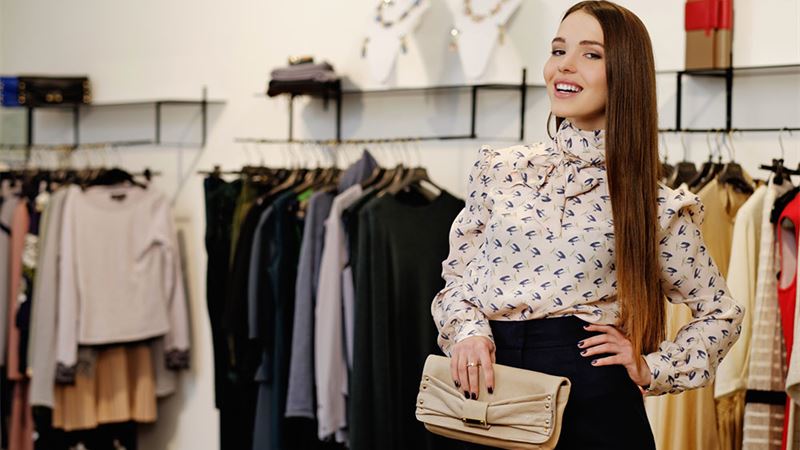
Choosing the right outfit for various events can be challenging, especially with the multitude of dress code options available today. Understanding the nuances of each dress code helps women present themselves appropriately and confidently. From casual meet-ups to formal galas, each dress code has specific guidelines that reflect the occasion's tone and expectations. In this extensive guide, we explore ten common women's dress codes, offering detailed descriptions, suitable outfit suggestions, and style tips to ensure you are always dressed appropriately for any event or setting.
1. Casual Attire
Casual dressing emphasizes comfort without sacrificing style. It’s the go-to choice for relaxed environments like running errands, casual meet-ups, or informal gatherings. When dressing casually, prioritize comfortable fabric choices such as cotton or jersey and simple silhouettes. You can opt for jeans paired with a T-shirt or a casual dress that highlights your personal style. Accessories should be minimal, and footwear can include sneakers, flats, or slip-ons, focusing on effortless comfort. While pajamas and gym clothes may be typical at home, for social outings, keep it simple and neat, avoiding overly baggy or wrinkled clothing.
2. Smart Casual
Smart casual is a versatile dress code that balances professionalism and comfort. It’s favored in creative workplaces, tech startups, or casual networking events. For women, this means choosing polished yet relaxed pieces like tailored blouses, stylish trousers, skirts, or elegant dresses. Avoid overly casual items such as flip-flops, gym wear, or shorts. Instead, opt for well-fitted denim with a crisp shirt, or a midi dress with clean lines. Accessories should be subtle but elegant, and shoes like loafers, ballet flats, or ankle boots are suitable. The goal is to appear put-together without appearing overly formal.
3. Dressy Casual
This dress code is appropriate for occasions that demand a neat appearance without the formality of business wear. Think of brunches, casual dinners, or church visits. Women should avoid wearing T-shirts, shorts, or jeans in their most casual form. Instead, choices like a stylish skirt paired with a silk blouse, or a casual dress made of breathable fabrics, are ideal. Shoes should be dressy but comfortable, such as wedges or flats. Accessories should be minimal, and makeup can be natural or slightly enhanced to add a touch of elegance.
4. Business Casual
Commonly seen in office environments, business casual requires attire that is professional yet comfortable. The aim is to look polished without the rigidity of formal corporate wear. Women can choose tailored pants or pencil skirts combined with blouses or knit sweaters. Dresses with modest cuts and lengths are also appropriate. Accessories should be subtle, and footwear can include pumps, loafers, or ankle boots. Avoid overly bright colors or provocative styles. The key is to look neat, confident, and ready to work, while allowing for some fashion-forward elements that reflect your personality.
5. Country Club Casual
This dress code is popular for golf outings, tennis matches, or social events at country clubs. Women’s fashion for this includes fitted trousers, tennis skirts, polo shirts, or chic sundresses. Light colors and breezy fabrics like linen and cotton help create a relaxed yet refined look. Comfortable, closed-toe shoes or loafers that are suitable for outdoor activities are recommended. Minimal jewelry and natural makeup complete this effortless style, ensuring comfort and elegance are balanced perfectly.
6. Lounge Attire
Lounge attire is designed for comfort during relaxed social gatherings like afternoon teas, brunches, or casual visits. The focus is on stylish comfort, with dresses that are slightly above or at the knee. Fabrics should be soft, breathable, and understated, avoiding flashy or shimmery materials. If your outfit feels too revealing, layering with a blazer or cardigan is a good idea. Shoes should be comfortable yet cute, such as flats or low heels. The overall look should be relaxed but presentable, allowing you to enjoy your leisure activities without sacrificing style.
7. Cocktail Attire
Cocktail dresses are reserved for evening events, semi-formal parties, or social gatherings that require a more polished appearance. For women, the typical outfit choice is a knee-length or slightly above-the-knee dress, often in elegant fabrics like silk or chiffon. The classic little black dress remains a timeless option, but other colors and styles can work as long as they evoke sophistication. Pair your dress with high heels, statement jewelry, and a clutch bag. Makeup and hair can be slightly more glamorous, aligning with the elegance expected at these events.
8. Professional or Business Formal
This dress code applies to job interviews, corporate meetings, or formal networking events. Women should aim for a conservative yet stylish appearance. Options include tailored suits, sheath dresses, or blouses paired with pencil skirts or tailored trousers. Neutral or solid colors, such as navy, black, gray, or beige, are preferred. Keep accessories minimal, and opt for classic pumps. The neckline should be modest, and hemlines should be around or below the knee. The overall goal is to present yourself as competent, professional, and polished, reflecting confidence and credibility.
9. Resort or Beach Formal
Worn at outdoor wedding receptions, beach parties, or tropical events, resort, and beach formal attire combines style with practicality. Flowy maxi dresses, stylish jumpsuits, or lightweight sundresses made from breathable fabrics are ideal. Prints and patterns that evoke a relaxed yet put-together look are popular. Complete your outfit with minimal jewelry, natural-looking makeup, and suitable footwear such as wedges or flats. Hats and sunglasses can add an extra touch of style while providing sun protection. The goal is to look elegant while remaining comfortable in warm weather environments.
10. Black Tie
Black-tie events are highly formal affairs, and although men's dress codes are strict, women have more flexibility. The classic choice is a floor-length gown or long cocktail dress. Dresses in luxurious fabrics like silk, velvet, or chiffon are appropriate. Keep accessories sophisticated and understated, with elegant jewelry and a refined clutch. Shoes should be high heels, and makeup can be more defined for a glamorous touch. The overall aesthetic should be feminine, stylish, and refined, ensuring you look stunning while respecting the event’s formality.
Over the years, dress codes have evolved, accommodating changing fashion trends and individual expression. While some may see dress codes as restrictive, they serve as helpful guidelines to ensure appropriate attire for the occasion. Understanding and adhering to these differing standards not only helps avoid fashion faux pas but also boosts confidence and ensures you make the right impression no matter the event.