
Comprehensive Selection Guide for Effective Psoriasis Shampoo Treatments
Discover the essential guide to choosing the most effective shampoos for scalp psoriasis. Explore tar-based, salicylic acid, and keratolytic options, their uses, benefits, and precautions. Learn how personalized shampoo selection can ease symptoms, promote scalp healing, and improve comfort. Consult with healthcare professionals to tailor treatments specifically for your needs and ensure safe, effective management of psoriasis. This comprehensive guide helps you understand each type, application tips, and safety considerations for optimal scalp health and symptom control.
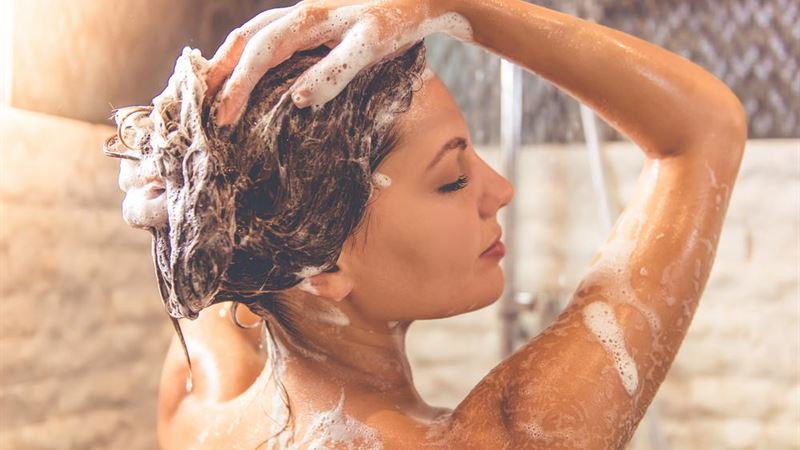
Tar-Based Shampoos:
Among the most longstanding treatments, tar-based shampoos utilize coal tar extract, which has anti-inflammatory and antiproliferative properties. Coal tar slows skin cell growth, reducing the thickness and scaling typical of psoriasis lesions. It also relieves itching and decreases inflammation, making it a popular choice among dermatologists. These shampoos soften scales and crusts, making them easier to remove and reducing discomfort.
While effective, the concentration of tar in the shampoo determines its potency—the higher the tar content, the stronger the therapeutic effect. It’s recommended to leave the shampoo on the scalp for about 8-10 minutes to maximize benefits. Post-application, avoid using conditioners, as they may interfere with the treatment.
However, tar-based shampoos are not suitable for everyone. They should be avoided if you are taking certain medications, have open scalp cuts, or are pregnant or planning to conceive. Additionally, some individuals may experience skin irritation or odor issues, which could diminish compliance.
Salicylic Acid Shampoos:
Salicylic acid is a keratolytic agent that promotes the shedding of dead skin cells, thus reducing scaling and plaque buildup. This shampoo works by loosening and removing the thickened skin associated with psoriasis, providing symptomatic relief. Although it may initially cause increased flaking, over time, it helps in clearing plaques and improving overall scalp appearance.
For optimal results, apply salicylic acid shampoo to dry scalp and leave it for approximately 4-5 minutes before rinsing. To mitigate dryness, it’s advisable to use a moisturizing conditioner afterward.
People with certain health conditions, like diabetes or liver problems, and pregnant women should exercise caution and consult their healthcare provider before using salicylic acid shampoos. Individuals with skin infections or open wounds should also avoid this treatment to prevent irritation or worsening of the condition.
Keratolytic Shampoos:
This category includes highly potent shampoos designed for severe psoriasis cases. They contain concentrated keratolytic agents, which actively facilitate skin cell shedding and reduce thickening more aggressively than salicylic acid alone. Given their strength, keratolytic shampoos are prescribed specifically by dermatologists and should be used under medical supervision.
During application, these shampoos are usually left on the scalp for a brief period before thorough rinsing, and often only used a few times a week to prevent over-drying or irritation. Direct application without medical guidance is strongly discouraged, as misuse could lead to adverse effects.