
Comprehensive Guide to Ulcerative Colitis: Symptoms, Causes, and Dietary Management
Explore this comprehensive guide on ulcerative colitis, delving into its symptoms, causes, and effective dietary strategies. Learn how early detection and personalized nutrition plans can help manage this chronic condition, improve quality of life, and prevent complications. Understand the role of genetics, immune response, and lifestyle factors in UC, and discover foods that can alleviate or exacerbate symptoms. Collaborate with healthcare professionals to tailor a treatment plan that suits your specific needs, ensuring better disease control and enhanced well-being.
Understanding Ulcerative Colitis: An In-Depth Overview
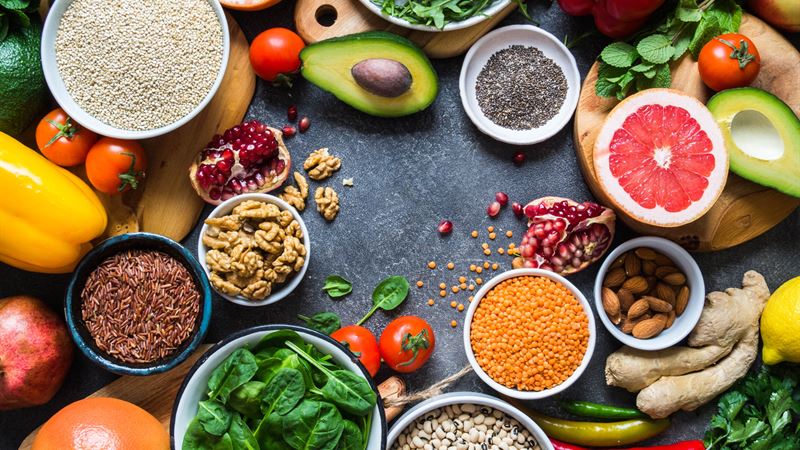
Ulcerative colitis (UC) is a chronic inflammatory bowel disease that primarily affects the colon and rectum. Its insidious onset can often make early detection challenging, as initial symptoms may be mild or nonspecific. Recognizing these early signs is crucial to seek prompt medical intervention and prevent disease progression. The earliest symptoms typically include persistent diarrhea, fatigue, unexplained weight loss, abdominal cramps, and anemia, which results from blood loss. As the disease advances, more alarming symptoms manifest, such as the presence of pus, blood, or mucus in the stool, along with fever, mouth sores, and inflammation of the eyes. Some patients also experience extraintestinal symptoms like skin rashes, joint pains, liver complications, and nutritional deficiencies. Children with ulcerative colitis may face growth delays and developmental issues, adding further urgency to early diagnosis and management.
Monitoring early warning signs and symptoms facilitates timely medical consultation. If you observe any of these symptoms, it’s vital not to delay seeking professional help. Early treatment can significantly improve quality of life, control flare-ups, and minimize long-term complications.
What Causes Ulcerative Colitis?
The precise cause of ulcerative colitis remains elusive, yet current research indicates that it stems from an abnormal immune response. In UC, the immune system erroneously targets the lining of the colon, causing inflammation and ulceration. This overactive immune response may be triggered by a combination of genetic, environmental, and microbial factors, but the interplay among these elements is still under study.
Several theories have been proposed regarding its etiology:
- Environmental Triggers: Exposure to certain environmental factors, such as viruses, bacteria, or other antigens, may activate immune responses that lead to inflammation of the intestinal lining.
- Genetics: Family history significantly influences the risk, with individuals having a higher likelihood if relatives have UC. Specific gene mutations are associated with the disease, suggesting a hereditary component.
- Immune System Dysregulation: An exaggerated immune reaction, possibly due to immune system disorders, results in the destruction of the colon’s mucosal lining, perpetuating the cycle of inflammation.
It is important to note that factors like diet may influence ulcerative colitis symptoms but are not direct causes. The disease’s complex nature warrants a comprehensive approach to understanding and managing it.
Impact of Genetics and Immunity
Genetic predisposition plays a critical role in the development of UC. Studies have shown that individuals with a family history are more prone to developing the condition. Specific gene markers related to immune regulation and inflammatory pathways have been identified, emphasizing the hereditary component.
The immune system’s role is pivotal; an overreaction or misregulation causes the immune cells to attack the colon’s lining, leading to inflammation, ulcers, and the typical symptoms associated with UC. The interaction between genetic susceptibility and environmental influences triggers this immune dysfunction.
Diet and Lifestyle Factors in Ulcerative Colitis
While there is no definitive diet that can cure ulcerative colitis, dietary modifications can play a significant role in managing symptoms and preventing flare-ups. The approach varies among individuals, and it often requires personalized adjustments based on disease severity, tolerance, and response to different foods.
Dietary management involves avoiding triggers and incorporating foods that promote gut health. It’s essential to work closely with a healthcare professional or dietitian to develop a flexible, sustainable nutrition plan tailored to your specific needs.
Foods That May Worsen Symptoms
Certain foods can exacerbate symptoms or trigger flare-ups in people with ulcerative colitis. These include:
- Spicy foods
- Nuts and seeds with hard shells
- Refined and processed sugars
- Raw vegetables and fibrous fruits
- Foods containing sorbitol or artificial sweeteners
- Popcorn and fried foods
- Foods high in sulfates or sulfur, such as processed meats
- Dried legumes like peas, beans, and lentils
- Carbonated beverages and caffeinated drinks
To better understand individual triggers, keeping a detailed food diary can be highly effective. Tracking daily intake and symptoms enables identification of problematic foods, allowing for targeted dietary adjustments.
Foods That Can Help Manage Ulcerative Colitis
Incorporating specific beneficial foods can support gut health and reduce inflammation. Evidence suggests that foods rich in linoleic acid, such as walnuts, extra virgin olive oil, and coconut oil, may help combat inflammation associated with UC. These healthy fats possess anti-inflammatory properties and can be integrated into meals to support overall intestinal health.
Probiotics, the beneficial bacteria found in fermented foods like yogurt, kefir, sauerkraut, and kimchi, have shown promise in reducing intestinal inflammation. They help restore the natural balance of gut flora, which can be disrupted during flare-ups.
Adopting a low-FODMAP diet (which limits fermentable carbohydrates) may also alleviate symptoms in some patients by reducing gas and bloating. A dietitian can help customize this approach, ensuring nutritional adequacy while minimizing discomfort.
Finally, maintaining hydration and balanced nutrition is vital, especially during flare-ups, to prevent deficiencies and keep the gut functioning optimally.
The Importance of Medical Treatment and Monitoring
While dietary modifications are valuable, they should complement prescribed medical therapies. Management of ulcerative colitis often involves medications like aminosalicylates, corticosteroids, immunomodulators, and biologics, aimed at controlling inflammation and inducing remission. Regular follow-ups with healthcare providers are essential to monitor disease progression, adjust treatments, and address any emerging complications.
Patients should remain vigilant and report new or worsening symptoms promptly. Lifestyle changes, medications, and dietary plans should be coordinated for effective disease control and improved quality of life.
In summary, understanding the complex interplay of symptoms, causes, and management strategies is key to living well with ulcerative colitis. Early detection, personalized dietary plans, appropriate medication, and ongoing medical supervision can significantly improve outcomes and help maintain a positive, symptom-controlled life.