
Comprehensive Guide to Modern Dry Carpet Cleaning Methods
Explore comprehensive dry carpet cleaning techniques including dry compound, encapsulation, shampoo, foam, and vacuum wash. Discover their benefits, procedures, and tips for choosing the right method to maintain clean and healthy carpets efficiently. Ideal for homeowners and professionals seeking effective, low-moisture cleaning solutions.
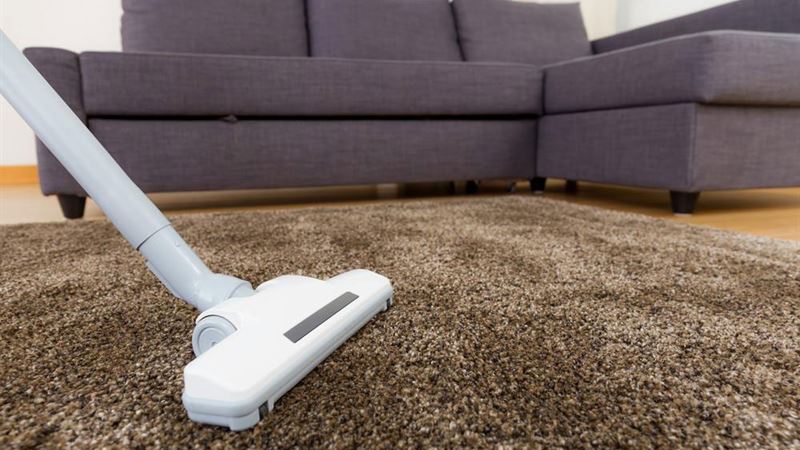
Maintaining the cleanliness of carpets is essential for ensuring a healthy and inviting living or working environment. In particular, dry carpet cleaning methods have gained popularity due to their efficiency, minimal downtime, and ability to preserve delicate fibers. This extensive guide explores various contemporary dry cleaning techniques, their procedures, advantages, and considerations, offering insights suitable for homeowners, commercial property managers, and cleaning professionals alike.
Understanding the limitations of traditional wet cleaning methods, such as moisture-related damage or mold growth, has led to the development of innovative dry cleaning solutions. These methods focus on removing dirt, dust, and allergens effectively without excessive moisture, making them ideal for quick turnaround spaces and sensitive environments. Below, we delve into the most effective dry cleaning procedures currently used in the industry.
Dry Compound Cleaning: An Effective Dry Technique
Dry compound cleaning is one of the most widely adopted dry carpet cleaning methods. It involves applying a specialized powder or granular substance evenly across the carpet surface. This powder binds with dirt and debris lodged within the fibers, which are then easily removed through vacuuming. The process can be performed manually or with automated machinery, making it suitable for both residential and large-scale commercial applications.
This method's primary benefit lies in its ability to deeply clean without the use of excessive water or detergents. The dry compound also acts as a buffer to help loosen stubborn dirt particles, dust mites, and other allergens, creating a safer indoor environment. In commercial settings, highly engineered brushes and cylindrical rotary tools are employed to agitate the compound and enhance dirt removal.
Encapsulation Technology: Revolutionizing Dry Carpet Cleaning
Developed in the 1990s, encapsulation has revolutionized professional carpet cleaning practices by utilizing advanced polymer chemistry. Encapsulation products are specialized detergents that contain microscopic encapsulating agents. When applied to the carpet, these agents form a crystal or powder coating around dirt particles, oils, and stains. Once dried, these crystalline residues become brittle and can be easily removed with vacuuming.
The encapsulation process offers several significant advantages, including fast-drying times, reduced use of wet chemicals, and minimized carpet resoiling. The polymers used are designed not to attract dirt, thereby maintaining cleaner carpets for longer periods. This method also allows ongoing maintenance cleaning with minimal disruption, making it popular among businesses and professional cleaners.
Shampoo Cleaning: An Old Yet Evolving Method
Shampoo cleaning has been a staple in carpet maintenance for decades, especially prior to the widespread adoption of encapsulation techniques. Traditional wet shampoos, often derived from coconut oil-based soaps, were applied to carpets and worked by loosening accumulated dirt. The process involved scrubbing the shampoo into the fibers followed by extraction with wet vacuum systems.
With technological advances, shampoo cleaning has evolved. Modern systems often use synthetic detergents formulated for dry foam or low-moisture cleaning. These products provide a more efficient removal of grime, with quicker drying times and less exposure to moisture. Truck-mounted hot water extraction is now frequently employed to rinse out residues, ensuring deeper cleaning and better hygiene.
Additional Dry Cleaning Methods: Foam and Vacuum Wash
Beyond the primary techniques, there are supplementary dry cleaning methods tailored for specific needs. These include:
- Dry Foam Cleaning: This method involves applying a specialized foam after thorough vacuuming. The foam penetrates the fibers, encapsulating dirt particles, which are then removed through vacuuming. It combines the benefits of foam cleaning with minimal moisture exposure.
- Vacuum Wash: In this approach, water alone—without detergents—is used to rinse the carpet. Immediately afterward, the carpet is vacuumed to extract loosened debris. This method emphasizes gentle cleaning while keeping the environment dry and free from chemical residues.
Both these techniques are suitable for routine maintenance, especially in sensitive or high-traffic environments where quick drying and minimal chemical use are critical.
Choosing the Right Dry Cleaning Method
Selecting the most appropriate dry carpet cleaning technique depends on various factors such as carpet type, soil level, usage frequency, and environmental considerations. For delicate fibers, low-moisture or encapsulation methods are preferred, ensuring preservation and hygiene. Heavy soiling may require a combination of dry compound treatments followed by specialized encapsulation or foam cleaning.
Professional consultation can help determine the optimal approach, balancing cleaning efficiency with safety and cost-effectiveness. It's also worth noting that regular maintenance using these dry methods can prolong the lifespan of carpets, reduce allergen buildup, and keep spaces healthier overall.
Conclusion: Advancing Carpet Care with Modern Dry Techniques
In the dynamic field of carpet cleaning, dry cleaning methods continue to evolve, emphasizing faster results, environmental sustainability, and enhanced indoor air quality. From traditional dry compound applications to revolutionary encapsulation and foam techniques, each method offers distinct advantages suited to specific circumstances. Incorporating these advanced dry cleaning processes into routine maintenance routines can significantly benefit homeowners, business owners, and professional cleaners alike, ensuring carpets remain clean, healthy, and beautiful for years to come.