
Comprehensive Guide to Selecting and Installing the Perfect Window Shades
This comprehensive guide provides in-depth insights into various window shade types, their benefits, and practical tips for selecting, measuring, and installing them. Perfect for homeowners and interior designers, it helps you choose the best shades to enhance your space, improve energy efficiency, and add aesthetic appeal. Learn how to properly measure your windows, select suitable materials, and secure professional installation for long-lasting results. Discover the latest in automated and custom window coverings to elevate your home's functionality and style.
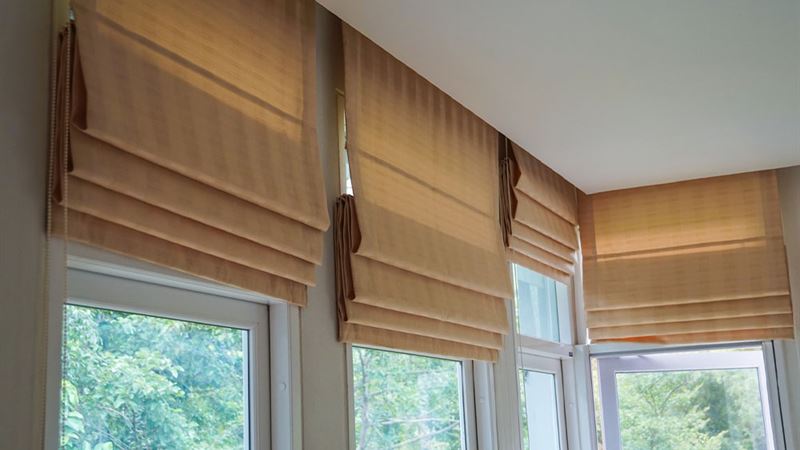
When it comes to choosing window shades, the first step is understanding the options available. Each type offers unique benefits, functionalities, and aesthetic qualities. Here's an in-depth look at some popular window shading solutions:
- Motorized Window Shades
Modern technology has made automation a popular feature in home decor. Motorized window shades are equipped with small, integrated motors that allow you to operate them with a simple press of a button, via remote control, smartphone app, or home automation systems. These shades are particularly suitable for high or hard-to-reach windows, providing convenience and enhancing home security by enabling scheduled opening and closing. They're ideal for households with children or pets, as they eliminate the need for manual handling that could cause accidental damage or injury. Additionally, motorized shades can be integrated with smart home systems, allowing you to control their operation remotely or set automated schedules to adjust the shades according to the time of day or sunlight intensity.
- Blackout Window Shades
As the name indicates, blackout shades are designed to block maximum light filtration, making them perfect for bedrooms, media rooms, or any space where light control is critical. They are typically lined with blackout fabric, which prevents sunlight from penetrating the window, creating a dark environment conducive to restful sleep or focused work. Beyond light blocking, these shades also provide noise reduction benefits and enhanced privacy. They are particularly advantageous in urban settings or rooms facing busy streets, as they mitigate external noise and disturbances. Manufacturers often use foam-backed or dense fabrics to optimize their blackout capabilities, ensuring minimal light seepage at the edges and seams.
- Cellular or Honeycomb Window Shades
Known for their energy-efficient properties, cellular shades feature a unique honeycomb structure that traps air, providing insulation to regulate indoor temperature effectively. These shades can help reduce heating and cooling costs by preventing heat transfer through windows, making them an environmentally and economically sound choice. They come with individual cells that can be opened or closed independently, allowing for versatile light control and privacy management. Cellular shades are particularly popular for large windows or glass doors, as they offer a sleek appearance combined with impressive insulation qualities. They are customizable in various opacities, from sheer to blackout, accommodating different needs and aesthetic preferences.
- Custom-Made Window Shades
For a truly personalized look, custom window shades are the best pick. They can be tailored to fit any window size or shape, regardless of complexity. Custom shades allow you to select from a vast array of fabrics, patterns, textures, and colors, ensuring seamless integration with your home’s decor style. From luxurious silk to durable vinyl or eco-friendly materials, the options are nearly limitless. Customization also extends to features such as decorative valances, unique hardware, and specialized mounting options. While they may be a bit more costly than ready-made options, the flexibility and aesthetic appeal they offer make them a worthwhile investment for those seeking distinctive, stylish window treatments.
Choosing the perfect window shades involves more than just picking a style you like. It requires careful consideration of your functional needs, room characteristics, and personal style preferences. Here are essential factors to keep in mind:
- Identify Your Specific Requirements
Begin by assessing what you want to achieve with your window coverings. Are you looking primarily for light control, privacy, insulation, or aesthetic enhancement? Determining your main goal will streamline your options. For example, if you need to block out light for restful sleep, blackout shades are the optimal choice. If aesthetics and natural light are priorities, sheer or semi-sheer shades may be preferable. For energy efficiency, cellular or honeycomb shades provide insulation benefits. For convenience and modern appeal, motorized shades add a smart feature to your home.
- Understanding Material Properties
The fabric and material composition of your chosen shades will influence their performance. Fabric density, opacity, and durability all matter. For instance, foam-backed fabrics enhance blackout qualities, while lightweight sheers maximize natural light. Vinyl or fiberglass options are excellent for heat and glare reduction while allowing sunlight entry, making them suitable for sunny rooms or offices. Consider environmental factors such as humidity and temperature—water-resistant or mildew-proof materials may be necessary for bathrooms or kitchens.
- Measuring Your Windows Accurately
Proper measurements are crucial to ensure the shades fit perfectly and function smoothly. Use a flexible tape measure or a piece of string to determine the width and height of your windows. Measure at multiple points—top, middle, and bottom—to account for any irregularities or out-of-square windows. Record the smallest measurement to avoid oversizing. Decide whether you want the shades to fit flush inside the frame or to extend beyond the edges for better coverage and light blocking. Precise measurements prevent installation issues and ensure a neat appearance.
- Choosing the Correct Number of Mounting Brackets
The stability of your window shades depends on proper bracket placement. Most shades require brackets installed at regular intervals along the headrail. For heavy or large shades, additional brackets distribute the weight evenly, preventing sagging or warping. Calculate the shade's length and divide by two to determine the necessary number of brackets, adjusting for any special room features or obstructions. Proper placement ensures smooth operation and longevity of your window treatments.
While many homeowners prefer to install shades themselves, hiring a professional ensures a more precise and durable setup, especially for complex or large installations. If you opt for DIY, following these expert tips will help achieve excellent results:
- Avoid Over-tightening
When securing screws or mounting brackets, do not apply excessive force. Over-tightening can damage the shade or wall material and make future removal difficult. Use a screwdriver to snugly fit the screws without forcing them beyond their capacity. Properly installed brackets should be secure yet leave room for removal or adjustments.
- Applying Appropriate Pressure
Use gentle but firm pressure when hammering or screwing to prevent cracks or dents in drywall or plaster. If you're uncertain about the amount of force needed, refer to the manufacturer’s instructions or consult a professional. Correct installation not only ensures aesthetic appeal but also enhances safety and durability.
- Pre-Installation Preparations
Before starting, clear the installation area, gather all necessary tools, and double-check measurements. Having everything ready minimizes errors and makes the process smoother. If working on a large or complicated window, consider marking the exact bracket locations with a pencil or painter's tape for precise placement.
Choosing the right window shades involves careful thought about your needs, style preferences, and budget. Take your time researching various options, compare features, and read customer reviews. Once installed, regular maintenance—such as gentle cleaning and checking for loose fixtures—will prolong the lifespan of your shades. Keep in mind that well-chosen window treatments not only improve your home’s attractiveness but also contribute to energy savings and overall comfort. Stay informed about new innovations in window treatment technology to keep your home stylish, functional, and energy-efficient.