
Comprehensive Guide to Lung Cancer: Types, Progression, and Stages
This comprehensive guide explores the various stages of lung cancer, from initial carcinoma in situ to advanced metastatic disease. It emphasizes the importance of early detection, describes treatment options for each stage, and highlights ongoing advancements in personalized therapies. Learn how early diagnosis can significantly improve outcomes and discover strategies to combat lung cancer effectively at every progression point.
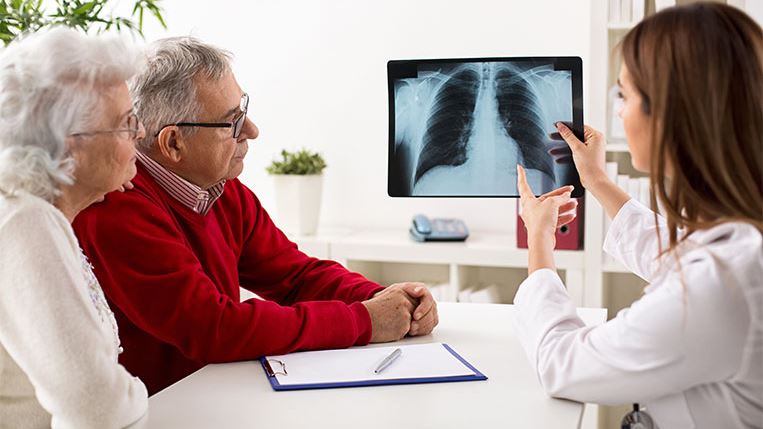
- Stage 0 - Carcinoma in Situ
Stage 0 represents the earliest form of lung cancer, often referred to as "carcinoma in situ." At this point, abnormal cell changes are limited to the inner lining of the lungs and have not invaded deeper tissues or spread beyond the lungs. Detecting lung cancer at this initial stage offers the highest chance for successful treatment and potential cure. The tumor is typically very small, sometimes only a few millimeters in size, and confined within the epithelial layer of the lung tissue. This stage underscores the importance of early diagnosis, particularly in individuals with risk factors such as smoking or exposure to harmful substances. - Stage 1 - Early Localized Disease
In Stage 1, the tumor has grown larger, generally up to 4 centimeters in diameter, but remains confined within the lung tissue without invading nearby lymph nodes or other organs. This stage signifies a crucial window for intervention because surgical removal of the tumor can often lead to complete eradication of cancer cells. Patients diagnosed at this stage can often undergo surgical resection combined with additional therapies, increasing the likelihood of long-term remission. Regular screening and early detection are vital to catching lung cancer at this manageable phase. - Stage 2 - Local Advancement
Stage 2 lung cancer involves tumors that can vary in size and may have spread to nearby structures. The cancer can have extended into regional lymph nodes or adjacent tissues within the chest cavity. At this stage, the disease is more aggressive, but treatments such as combined chemotherapy and surgery can still be effective. The involvement of lymph nodes indicates that cancer cells have begun to disseminate, yet complete remission remains achievable with comprehensive therapy. Understanding the progression from Stage 1 to Stage 2 emphasizes the importance of early diagnosis and prompt treatment to improve survival rates.
- Stage 3 - Locally Advanced Disease
In Stage 3, lung cancer is more extensive and may have invaded further into the lung tissues, mediastinal lymph nodes, or nearby structures such as the chest wall or esophagus. The tumor can be of any size, but its spread to multiple lymph node groups signifies a significant progression. Treatment at this stage often involves a combination of chemotherapy, radiation therapy, and sometimes surgery, depending on the tumor's location and spread. The aim is to control the growth and spread of the disease, prolong survival, and enhance quality of life. Stage 3 reflects an advanced disease, but early intervention can still offer meaningful benefits. - Stage 4 - Advanced and Metastatic Disease
Stage 4 lung cancer is characterized by extensive spread beyond the lungs. Tumors of any size can be present, but the defining feature is the dissemination of cancer cells to other parts of the body, such as the liver, bones, brain, or adrenal glands. It often involves multiple lymph node regions and additional thoracic structures, indicating widespread metastasis. This advanced stage typically requires systemic treatments like targeted therapy, immunotherapy, or chemotherapy to manage symptoms and prolong life, as cure is generally not feasible at this point. Understanding the progression to stage 4 highlights the importance of early detection, which can dramatically influence outcomes.