
Comprehensive Guide to Atopic Dermatitis: Types, Symptoms, and Management Strategies
This comprehensive article explores the different types of atopic dermatitis, including intrinsic and extrinsic forms, and details their symptoms such as itching, rashes, dry skin, and inflammation. It emphasizes the importance of early diagnosis and effective management strategies to control flare-ups and improve quality of life. Ideal for patients, caregivers, and healthcare providers, the guide offers in-depth insights into the condition's physical signs and treatment options. Understanding eczema’s diverse manifestations can lead to better skin health and relief from discomfort.
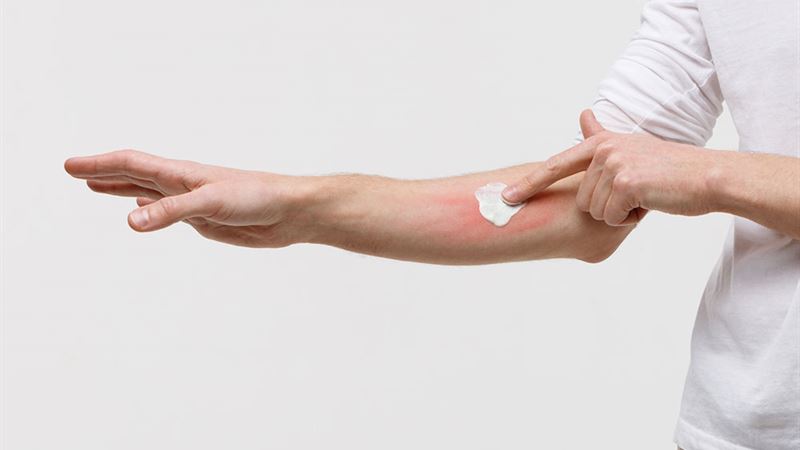
- Understanding the Types of Atopic Dermatitis
Atopic dermatitis, commonly known as eczema, is a chronic inflammatory skin condition that affects individuals across various age groups. It manifests in different forms, primarily classified as intrinsic and extrinsic types. Recognizing these types is crucial for effective management and treatment. - Intrinsic (Non-allergic) Atopic Dermatitis
This form predominantly affects children and is characterized by normal Immunoglobulin E (IgE) levels in the bloodstream. Unlike allergic eczema, intrinsic AD is not driven by allergen sensitivities. People with intrinsic dermatitis often experience skin dryness, irritation, and inflammation without an identifiable allergic trigger. - Extrinsic (Allergic) Atopic Dermatitis
More common in adults, extrinsic AD involves elevated IgE levels, signifying an exaggerated immune response to environmental allergens like pollen, dust mites, pet dander, or specific foods. Individuals with extrinsic dermatitis may have a history of allergic conditions such as hay fever or asthma.
Recognizing Symptoms and Signs of Atopic Dermatitis
Atopic dermatitis presents with a variety of observable signs and symptoms, especially during flare-ups. These manifestations can vary based on age and severity.
- Persistent Itching (Pruritus)
One of the hallmark features of eczema is intense, chronic itching that can be relentless. This itchiness can trigger compulsive scratching, which may lead to skin damage. In severe cases, scratching can cause bleeding and secondary infections. Both children and adults commonly experience this symptom. - Dryness and Cracking Skin
Persons with eczema often report excessively dry, rough, and cracked skin. The dryness tends to worsen during colder months or in dry environments. Infants may show dryness and scaling on their face and scalp, whereas older children and adults typically notice these symptoms on the elbows, knees, wrists, ankles, or neck. - Skin Rashes
Areas affected by eczema develop reddish, purple, or grayish patches. In children, rashes are often found on the scalp, cheeks, or behind the ears. In adults, common sites include the bent areas of the elbows and knees, hands, and scalp. Rashes may ooze or become crusted, especially during flare-ups. - Acute Inflamed Skin
Inflammation causes the skin to appear swollen, red, warm, and tender. This inflamed dermatitis is non-contagious. The lip and eyelid areas are also prone to inflammation, which can cause discomfort and a burning sensation. - Small Bumps in Infants
Infants often develop tiny, raised bumps on their cheeks, forehead, or scalp. These bumps may be accompanied by general skin redness and irritation. - Thickened or Lichenified Skin
Chronic scratching and rubbing lead to skin thickening, known as lichenification. Such patches have a leathery texture and may be darker than surrounding skin. This sign indicates long-standing eczema. - Secondary Skin Infections
Damp, scratched skin increases susceptibility to bacterial, viral, or fungal infections. Signs include pus-filled lesions, increased redness, warmth, pain, and sometimes fever. - Sleep Disruption
Intense itching often worsens during the night, causing difficulty falling or staying asleep. This sleep disturbance can lead to fatigue and irritability. - Behavioral and Emotional Impact
Persistent itchiness and visible skin lesions can lead to frustration, anxiety, and social embarrassment. Affecting daily activities and social interactions, eczema can significantly reduce quality of life.
If you notice any of these symptoms, consulting a dermatologist promptly is essential. Early diagnosis and proper skin care can help control flare-ups and improve skin health. For those uncertain, online resources or dermatology clinics can offer guidance on recognizing characteristic eczema signs.