
Comprehensive Management Strategies for Chronic Bronchitis
Discover comprehensive strategies to manage chronic bronchitis effectively. This detailed guide covers symptoms, treatment options, lifestyle adjustments, medication, and the importance of early intervention to improve lung health and quality of life. Learn practical tips and medical insights to control this long-term respiratory condition, prevent complications, and breathe easier every day.
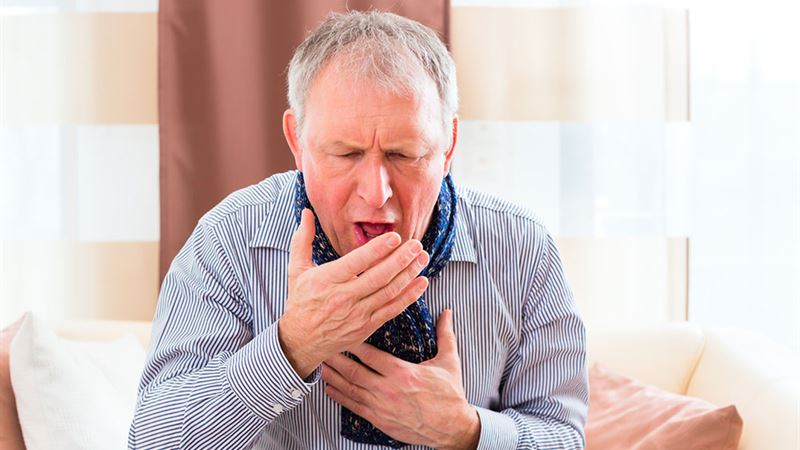
Effective Treatment Options for Chronic Bronchitis
While there is no definitive cure for chronic bronchitis, a combination of medical treatments, lifestyle modifications, and supportive therapies can help control symptoms and enhance respiratory health. Early diagnosis plays a vital role in managing the disease effectively. As the disease progresses, the ability to respond to these interventions diminishes, making prompt medical attention crucial. The goal of treatment is to reduce exacerbations, improve airflow, alleviate symptoms, and prevent complications.
Pharmacological Interventions
- Medications form the cornerstone of chronic bronchitis management. Inhaled bronchodilators are commonly prescribed to relax the muscles around the airways, making breathing easier. These inhalers deliver medication directly to the lungs, providing quick relief from airflow obstruction. Patients should learn proper inhaler technique from healthcare providers to maximize benefits and minimize side effects.
- Anti-inflammatory drugs, such as corticosteroids, may be recommended for patients experiencing frequent flare-ups or severe inflammation. These can be administered via inhalers or systemic routes, depending on disease severity. Long-term steroid use requires close monitoring due to potential side effects.
- For individuals with significant mucus production or frequent infections, mucolytics and expectorants can help thin mucus, facilitating its clearance from the lungs. Additionally, antibiotics might be prescribed during bacterial infections that worsen symptoms.
- Pulmonary rehabilitation programs are structured approaches combining exercise, education, and breathing techniques tailored to individual needs. These programs improve exercise capacity, breathing efficiency, and overall quality of life. Regular participation in pulmonary rehab can help patients regain confidence in managing their condition.
Adopting Healthy Lifestyle Changes
- Environmental control is critical. Patients should avoid exposure to tobacco smoke, dust, fumes, and other pollutants. Quitting smoking remains the most important step in managing chronic bronchitis and preventing further damage to lung tissue.
- Using humidifiers properly can provide relief by adding moisture to dry air, reducing cough and mucus production. Regular cleaning of humidifiers is essential to prevent bacteria and mold growth that could worsen respiratory issues.
- Protecting yourself from air pollution is vital. Wearing masks or respirators in contaminated areas or occupational settings helps prevent inhalation of harmful particles and fumes.
- Engaging in regular physical activity enhances muscle strength, improves cardiovascular health, and facilitates better breathing. Aim for at least 30-minute moderate exercises, such as walking or cycling, three to five times weekly. Always consult your healthcare provider before starting any exercise routine.
- Breathing exercises, like pursed-lip breathing, can help control shortness of breath. Practice inhaling slowly through your nose and exhaling through your mouth with pursed lips. This technique prolongs exhalation, reducing airway collapse and improving oxygenation.
The Importance of Early Intervention
Acting promptly upon noticing symptoms such as persistent cough, mucus production, or shortness of breath can prevent worsening of the condition. Continuous medical follow-up allows for adjustments in therapy, monitoring for complications, and reinforcement of lifestyle changes. Remember, managing chronic bronchitis is a long-term commitment that requires a collaborative approach between patients and healthcare providers. Do not delay seeking medical advice to ensure optimal control over your respiratory health and improve your overall well-being. Addressing risk factors and adhering to prescribed treatments can make a significant difference. Take proactive steps today for a healthier tomorrow.