
Comprehensive Guide to Managing Anxiety and Panic Attacks: Effective Treatments and Lifestyle Adjustments
Discover effective treatment options for anxiety and panic attacks, including psychotherapy, medications, and lifestyle changes. This comprehensive guide provides practical tips to help individuals manage symptoms, reduce stress, and improve overall mental health for lasting recovery.
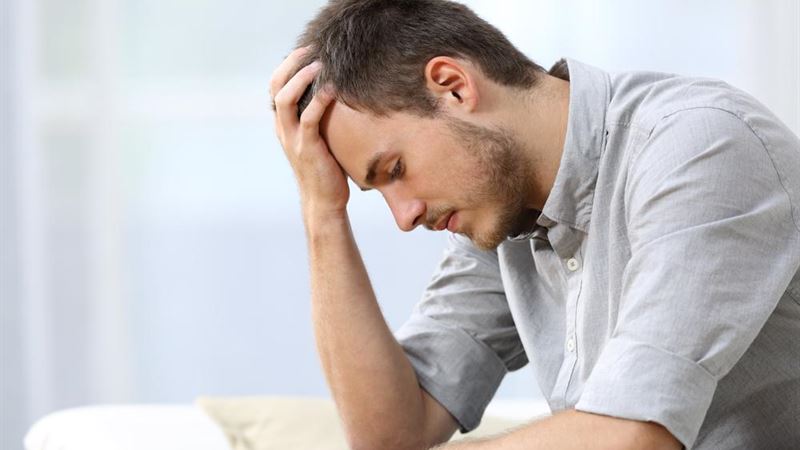
Experiencing anxiety and panic episodes can be incredibly disruptive to daily life, impacting both mental and physical health. Fortunately, numerous treatment options exist that can help individuals regain control and improve their quality of life. From professional therapies to lifestyle modifications, understanding these strategies is essential for effective anxiety management. This extensive guide covers the most effective treatment avenues, including psychotherapy, medication, and practical lifestyle changes that collectively support recovery and long-term stability.
### Psychological Therapies for Anxiety and Panic Relief
One of the cornerstone approaches in anxiety treatment is psychotherapy, often called talk therapy or counseling. This method provides a safe space for individuals to explore their feelings, identify triggers, and develop coping mechanisms. Among various psychotherapeutic techniques, Cognitive Behavioral Therapy (CBT) is widely recognized for its proven effectiveness in reducing anxiety symptoms and panic attacks.
CBT is a structured, short-term therapy designed to help patients recognize and challenge negative thought patterns that contribute to anxiety. It empowers individuals with practical skills, such as relaxation techniques, mindfulness, and behavioral interventions, enabling them to manage worrying thoughts and avoid avoidance behaviors that may exacerbate anxiety.
The therapy sessions typically involve revisiting and restructuring maladaptive thoughts related to various fears or phobias, gradually exposing the patient to anxiety-provoking stimuli in a controlled environment. This gradual exposure minimizes avoidance behaviors and builds resilience over time. Early stages involve establishing trust and comfort, which are crucial for success. The effectiveness of psychotherapy depends heavily on individual commitment and consistency, and initial counseling sessions are critical for setting the groundwork for recovery.
While psychotherapy alone can be effective, it is often supplemented with medication, especially in severe cases or when symptoms interfere significantly with daily functioning. Combining these approaches yields the best outcomes for many individuals suffering from anxiety and panic disorders.
### Medical Interventions and Pharmacological Aids
When psychotherapy alone does not suffice, or in cases of intense symptoms, medications become a pivotal part of anxiety management. The goal of pharmacological treatment is to rebalance brain chemistry and alleviate distressing symptoms, allowing individuals to participate more effectively in therapy and daily activities.
Several classes of medications are frequently prescribed for anxiety disorders, each with specific benefits and considerations:
- Antidepressants: These are commonly prescribed for anxiety, especially Selective Serotonin Reuptake Inhibitors (SSRIs) and Serotonin-Norepinephrine Reuptake Inhibitors (SNRIs). They work by increasing the levels of mood-regulating chemicals in the brain, reducing anxiety symptoms over time. Typical medications include escitalopram (Lexapro), venlafaxine (Effexor XR), duloxetine (Cymbalta), and paroxetine (Paxil). It’s important to note that these medications usually take several weeks to reach their full effectiveness.
- Buspirone: This medication is specifically designed to treat general anxiety disorder. It offers a gradual, sustained relief from anxiety symptoms and is generally well-tolerated. Since it takes a few weeks to manifest full benefits, patience and adherence to the prescribed regimen are essential.
- Benzodiazepines: These are fast-acting medications used for acute anxiety episodes. Examples include diazepam (Valium), lorazepam (Ativan), and alprazolam (Xanax). They are effective in providing quick relief but are not suitable for long-term use due to their high potential for dependence and addiction. Moreover, they should be used cautiously in individuals with substance abuse history and avoided if alcohol or other drug dependencies are present.
It is crucial to work closely with a healthcare provider when choosing medication options, as they can tailor treatment plans to individual needs and monitor for side effects or interactions.
### Lifestyle Changes and Home Remedies for Anxiety Management
In addition to professional treatments, lifestyle modifications play a vital role in managing anxiety and panic attacks. These simple yet effective strategies can significantly enhance overall well-being and reinforce therapeutic gains.
- Stay physically active: Regular exercise is proven to reduce anxiety levels by releasing endorphins, which are the body’s natural stress relievers. Engaging in activities such as walking, cycling, yoga, or swimming helps shift focus away from anxious thoughts and improves mood.
- Prioritize restful sleep: Sleep is critical for emotional regulation. Poor sleep can intensify anxiety, while adequate rest can bolster resilience. Establishing a consistent sleep routine, avoiding caffeine and screens before bed, and creating a calming sleep environment are essential steps.
- Develop stress reduction habits: Techniques such as mindfulness meditation, deep breathing exercises, progressive muscle relaxation, and journaling can help manage stress levels effectively. Practicing these regularly prepares the mind and body to respond better to anxiety triggers.
- Limit caffeine and alcohol intake: These substances can increase nervousness and interfere with medication effectiveness. Reducing consumption or abstaining altogether can lower overall anxiety symptoms.
- Build a support network: Connecting with friends, family, or support groups provides emotional reassurance and practical assistance. Sharing experiences and receiving encouragement can diminish feelings of isolation.
- Take breaks and go on vacations: Regular breaks from stressful routines, short trips, or vacations help refresh the mind and relieve accumulated tension. Engaging in leisure activities and exploring new environments can act as effective stress busters.
### Additional Tips for Long-term Anxiety Management
Consistency is key in managing anxiety. Establishing daily routines, setting realistic goals, and practicing self-compassion contribute to better outcomes. It is equally important to recognize early warning signs of escalating anxiety and seek timely professional help.
Moreover, addressing underlying issues, such as substance abuse or trauma, often involves specialized therapies and support. Tailored treatment plans that combine medical, psychological, and lifestyle strategies offer the best chances for sustained recovery.
### Conclusion
Managing anxiety and panic attacks requires a comprehensive approach involving professional therapies, appropriate medications, and lifestyle modifications. While each individual’s experience is unique, a commitment to a holistic treatment plan can lead to a significant reduction in symptoms and an improved quality of life. Patience, persistence, and proactive health choices are essential in overcoming these challenges and regaining a balanced, peaceful state of mind.