
Comprehensive Strategies for Managing Migraines Effectively
Explore a comprehensive guide to migraine management, including medications, innovative devices, natural remedies, and lifestyle adjustments. Learn how to effectively reduce migraine frequency and severity for better daily living.
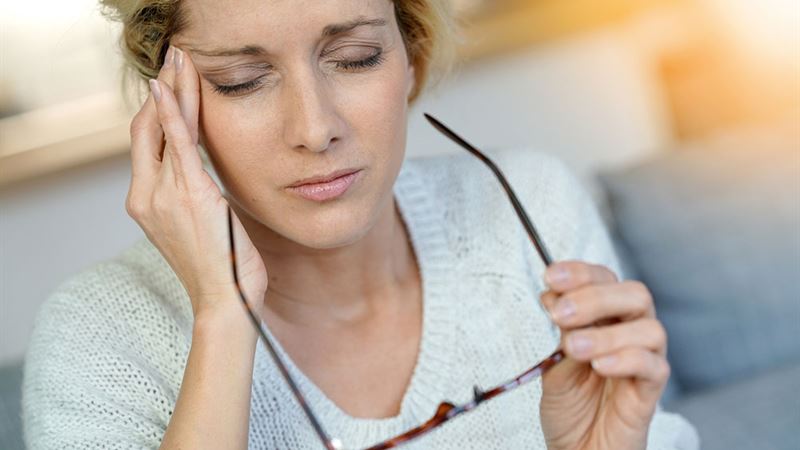
Migraines are a prevalent neurological condition affecting millions worldwide, characterized by intense headaches often accompanied by nausea, sensitivity to light and sound, and visual disturbances. Women are disproportionately affected, being three times more likely than men to experience migraines, partly due to hormonal fluctuations. People with certain hereditary conditions, such as epilepsy, depression, and asthma, also tend to have a higher incidence of migraines. Understanding the wide array of treatment options available—from medications and devices to natural remedies and lifestyle modifications—is crucial in managing this condition effectively. Here, we delve into the most comprehensive and effective treatment strategies, exploring traditional, modern, and alternative approaches to help sufferers find relief and improve their quality of life.
Pharmacological Treatments for Migraines
Medications form the cornerstone of migraine management, with options ranging from over-the-counter remedies to specialized prescription drugs tailored for acute attacks and preventative measures. When appropriately chosen and used under medical supervision, these treatments can significantly reduce the frequency, intensity, and duration of migraines.
- Over-the-counter Medications
- Common pain relievers like aspirin, ibuprofen, naproxen sodium, and acetaminophen are often the first line of defense against mild to moderate migraines. These medications act by reducing inflammation and dulling pain signals. However, excessive use can lead to medication-overuse headaches, gastrointestinal irritation, or other adverse effects.
- Prescription Medications
- Triptans: These are the most frequently prescribed drugs specifically targeting migraines. They work by constricting blood vessels and blocking pain pathways in the brain. Examples include Sumatriptan (Imitrex), Rizatriptan (Maxalt), Zolmitriptan (Zomig), and Naratriptan (Amerge). Patients should always consult their healthcare provider before starting triptans, especially if they have underlying health conditions like hypertension, heart disease, or depression.
- Ergot Alkaloids: When triptans prove ineffective, doctors might recommend ergotamine derivatives such as Cafergot or Migergot. Available in tablets, nasal sprays, or injections, these medications constrict blood vessels and interfere with migraine pathways. Nonetheless, they have a higher side effect profile—potentially causing nausea, muscle pains, dizziness, and cardiovascular issues.
- Preventive Medications
- For frequent or severe migraines, preventative therapy can be beneficial. These medications aim to reduce the number and severity of attacks over time. Common options include calcium channel blockers like verapamil, beta-adrenergic blockers such as propranolol, antidepressants like amitriptyline, and anticonvulsants such as topiramate. It's essential that these are taken under medical supervision to monitor for side effects and effectiveness.
- Botulinum Toxin (Botox)
- Originally popularized for cosmetic purposes, Botox has shown promise for chronic migraine sufferers. By injecting small amounts into specific neck and head muscles, Botox can block the release of pain neurotransmitters, thereby decreasing the frequency of migraines. This treatment typically requires multiple sessions over several months and should be administered by qualified specialists.
Non-Pharmacological Devices in Migraine Treatment
For individuals who prefer to avoid medications or seek supplementary options, specialized devices offer an innovative, drug-free approach to migraine relief.
- Cefaly
- This wearable device resembles a headband and delivers electrical impulses to the forehead to stimulate trigeminal nerves involved in migraine pathophysiology. Usage is typically once daily for twenty minutes, producing a tingling sensation that helps prevent migraine onset and reduce severity during attacks.
- SpringTM
- Designed to be applied at the back of the head when a migraine begins, this device emits magnetic pulses to stimulate areas of the brain involved in pain regulation, providing relief and possibly reducing the intensity of attacks.
- gammaCore
- This non-invasive vagus nerve stimulator (nVNS) is positioned on the neck over the vagus nerve to deliver targeted electrical shocks. Clinical studies suggest it can rapidly alleviate pain and decrease attack frequency when used appropriately under guidance.
Natural and Alternative Therapies for Migraine Relief
Many sufferers seek natural remedies as a supplement or alternative to pharmaceutical options. Scientific evidence supports several alternative treatments that can be integrated into a comprehensive migraine management plan.
- Biofeedback
- This method involves training individuals to control physiological responses like muscle tension, heart rate, and skin temperature through real-time feedback. Over time, patients can learn to reduce stress-induced triggers that precipitate migraines.
- Acupuncture
- A traditional Chinese medicine practice involving the insertion of fine needles at specific body points to rebalance energy flow. Some studies indicate that acupuncture may induce the release of neurochemicals that help in pain relief, though scientific consensus remains divided.
- Essential Oils and Aromatherapy
- Lavender oil has been noted for its potential to decrease serotonin fluctuations, which can help diminish migraine pain when inhaled or applied topically. Basil oil, used as a muscle relaxant, might provide additional relief when applied to neck and shoulder muscles.
Lifestyle Modifications for Long-term Prevention and Management
Beyond medicinal treatments, lifestyle factors play a pivotal role in preventing and mitigating migraines. Addressing triggers and adopting healthy habits can significantly reduce attack frequency and severity.
- Managing Stress
- Chronic stress is a prominent trigger for migraines. Techniques such as mindfulness meditation, deep breathing exercises, progressive muscle relaxation, listening to calming music, or engaging in yoga can help manage stress levels, thereby reducing migraine occurrences.
- Structured Sleep and Nutrition
- Irregular sleep patterns and lack of restful sleep can provoke migraines. Maintaining a consistent sleep schedule, aiming for 7–9 hours of quality sleep, is crucial. Additionally, blood sugar imbalances caused by inconsistent eating or fasting can trigger headaches. Eating balanced meals at regular intervals supports metabolic stability.
- Hormonal Regulation
- Women often experience migraine fluctuations related to hormonal cycles. For menstrual-related migraines, hormonal contraception or anti-inflammatory medications might be effective preventive options. Consultation with a healthcare provider is essential for personalized management.
- Dietary Considerations
- Recognizing dietary triggers is vital. Foods high in tyramine like aged cheeses, cured meats, pickles, and soy products can constrict or dilate blood vessels, triggering migraines. Limiting processed foods containing monosodium glutamate (MSG), caffeine, and alcohol is advisable. Staying well-hydrated is equally important, as dehydration is a common migraine trigger.
Adopting a holistic approach that combines medical, device-assisted, natural, and lifestyle strategies can offer the most comprehensive relief for migraine sufferers. Regular consultation with healthcare professionals ensures personalized and effective management, improving quality of life.